We reproduce below the interview of our Ramneek Kapoor Psychologist and Family Therapist once again for the benefit of our readers and clients.

1 .What is ‘stress’
“I would refer to stress as “the mental, psychological, intellectual, emotional and physical unease to the personal situation and the expectation rose either by the self or by others to face/handle the situation “.
- Are all kinds of stress bad? How do we identify between good and bad stress?
“All kinds of stress is not bad, only the distress caused is bad. Eustress is a good stress that gives a high and stimulates the adrenaline. When you feel good about certain situation and event and feel you are able to handle it, you look forward to such a situational stress which results into a moral boost and good emotional physical feeling”.
- Do you think people are aware what stress does to their mind, body and soul? Do you think that once they realise how negative stress has adverse effects on them, they will be in a better position to manage it?
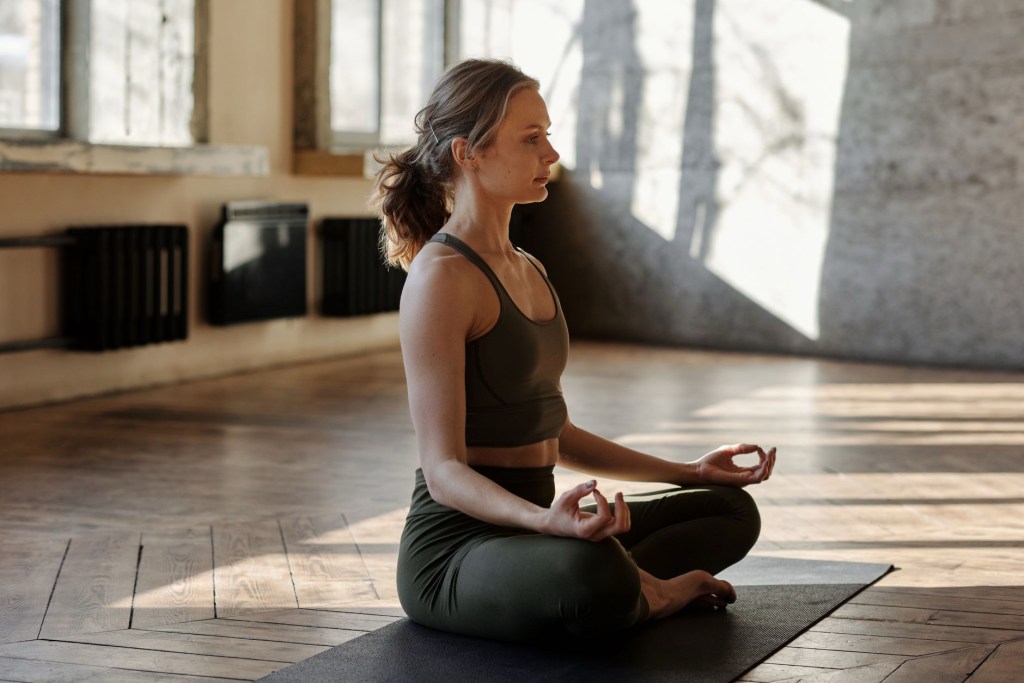
“Only a limited few numbers of people could be aware of the negative effects of the stress on their physical, mental, social, spiritual and emotional well being. Mere realisation that the stress is bad will not be enough. We need to also educate and inculcate in them the stress relieving self empowering meditation exercise routine on day to day basis. Preksha Meditation (perceptive meditation on the psychic centres) under the guidance of trained teacher will go a long way in relieving stress.
- In the world we are living in today, how important is it to spread awareness about stress? Are there any statistics that reveal how serious the problem of stress is one’s life?
“The very fact that more than 50 percent people suffer from the depression, anxiety and stress sometimes or the other in their life with no trained professional help to cope with this reflects the pitiable position of the awareness amongst common people. In fact no official statistics from any governmental source are available on the subject nor has any NGO worked on the subject authentically”.
- How do you think our previous generations managed stress better than today? Even with the state of the art technology and advance in medical sciences, why have we as humans not been able to cope/ deal with stress?
“It is a fashion to always refer to the better life of the previous generation. The fact is that the technological advancement has also brought with it the person related emotional, psychological and physical maladies in addition to making life easier. The state of art tech development has brought about personal isolation, in the midst of many. The person today is cut off and alienated from the self. He or she is always lost into an uncalled for competition with the others on the social media and into the realms of the imaginary virtual world.
- Do you think people today are ignorant about stress? Ignorance is bliss, but is this kind of bliss worth it?
“No they are not ignorant. They prefer living in the comfort of uncomfortable stress. The rat race takes its toll and the victims enjoy the bites of killing stress and anxiety and many other mental ailments. Eventually the person ends up with either cardiac problems or the chronic depression and anxiety will take toll on such persons “.
- Are there some observable and prominent symptoms a stressed individual will experience? Such as physical, mental, emotional, physiological etc.?
“Yes ;the breathing discomfort , sleeplessness , insomnia, loss of memory, eating disorder either binge eating or not getting hungry, social anxiety, irritation , unmanaged anger, repeated headache, psychosomatic pains , and weight gain/ weight loss are some of the prominent observable symptoms”.
- Who are the most stressed people according to you? What could be the causes for them being the most stressed?
“Adolescents, working women, housewives, company executives and even professionals with deadlines of times to meet are always under stress. But the large share of the stress cake goes to adolescents in the modern times. With the race to always look outwards and keep pace with the demands of peer aping the adolescents find it difficult to cope with the stress. This generation is neither amongst the younger generation nor are they amongst the adults. The social media, the rigid demands on their performances in academics and career aspirations’ of the parents for them, are some of the major reasons for this generation being most stressed
- What according to you triggers ‘stress? Do you think by being aware of the triggers we can be in a better position to manage stress?
Triggers of stress can be any event or situation that threatens the mental and physical equilibrium (homeostasis) of the body . The events can be either external or internal
. External can be the political, social, economic, competitive, family, academic, or work atmosphere. While internal triggers will relates to irresponsible behaviour, uncalled for self expectations, negative attitude towards life in general, and looking for perfectionism in self or others.
- What can be some of the long-term effects of stress? How does stress affect a person physically, mentally and emotionally?
The long term effects of chronic stress can be
- Chronic sadness and depression. (2.) Chronic mental and physical fatigue. (3.) Chronic stress related illness (consistent headache, stomach ache, bowel problems, social anxiety) and other psycho somatic physical illness. (4) Isolating self, withdrawal, self destructive nihilistic thoughts .
Physical problems of the stress can be , sleep disorders, back, shoulder or neck pain, migraines , headaches, acidity, upset bowels, constipation, weight gain or loss, hair loss, loss of libido.
Emotionally the person can become nervous, edgy, depressed, moody, phobic, and not be able to focus and eventually suffering from Nervous breakdown.
- Please mention 5 useful tips for fighting/ managing stress? How can one follow these in his/her daily schedule and busy day?
- Accept life as it comes.
- Accept your self.
- Identify “ME” and try to become “ME” rather than becoming him, her ,they or she.
- Accept that perfectionism is a myth and utopia.
- Follow a healthy diet plan, an exercise and meditation routine to keep your heart health and positive.

- According to you, how can one prevent stress in everyday life? How do we know that the levels of stress have crossed the healthy limits? Until when can a person manage it on his/ her own?
“Stress is a natural occurrence but taking on too much can be avoided . Relax whenever you feel mentally, physically or emotionally exhausted before your stresses break you down”.

- Stress does not tend to only affect one person; its effects tend to spill over to the people around them. How do you think that we as a friend/ family member help a person dealing with stress?
“Stress is a personal problem but its manifestation can be felt and definitely seen in the family, friends and other areas of one’s life. The friends and family too should know that the life has to be lived in positive moments and as such the negativity should be eliminated from the life completely.

- What message would you like to give to our readers this Stress Awareness Month?
“Live life in positive emotions, the negatives are not meant for the living “.

Read Full Post »