Feeds:
Posts
Comments

Posts Tagged ‘Autism Spectrum Disorder’


A child -busy studying

Everybody can be distracted or daydream at different times and in different situations, but when the distraction can be beyond a set social and medical criterion these distracted behaviors become excessive and could prove problematic. The medical- psychological term for these difficulties is Attention Deficit Hyperactivity Disorder (ADHD) and some of the signs of this difficulty include:
  • Being easily distracted
  • Making “careless” mistakes
  • Struggling to follow instructions carefully and completely
  • Repeatedly losing things like toys, pencils, or anything you might need to complete a task

Psychiatrists   have identified that problem with attention, is often coupled with signs of hyperactivity such as:

  • Restlessness and fidgeting
  • Dashing about in situations when the child as expected to sit still and be quiet
  • Blurting out answers or interrupting others
  • Getting really frustrated if you have to wait in line or queue

The symptomatic types of signs associated with attention deficit lead to frequent wrong diagnosis of ADHD. Parents, teachers and doctors have to be keenly alert to whether signs are demonstrated across a number of situations, e.g.in school, at home, during extracurricular activities or if they are isolated to a specific subject area, which may indicate a much more specific problem.

In order to gain a formal diagnosis, psychiatrists/doctors will be looking for evidence that the problems were demonstrated early in life (before the age of 7).

Once a psychiatrist /doctor has this evidence, a full assessment, which often includes lots of different specialists, can start. However, arriving at a formal diagnosis for ADHD can sometimes be a longwinded and frustrating process. Also, because poor concentration often affects progress at school, problems can be compounded with the passing of time.

Once diagnosed, treating a child with ADHD can present a difficult choice: whether or not to   make use of medication. Other approaches include behavioral modification and management  program.

Symptomatic highlights:

Attention

  • Does your child struggle with attention and concentration?
  • Balance and Coordination Reading and Writing

It could be dyspraxia or Developmental Coordination Disorder (DCD), a condition that affects around 1 in 30 of us. Boys are at least four times more likely to be affected than girls.

There seems to be some difficulty with the way the brain processes information – it affects planning of what you want to do and how you want to do it.

Often difficulties with coordination go hand-in hand with other issues, such as difficulty with reading, Attention and Organization Skills.

For children with coordination difficulties, actions like running, jumping, balancing and cycling can prove extremely challenging. For adults, this may have translated into difficulty with driving, household chores, cooking and even getting dressed.

The tell-tale signs can be spotted at two levels.

There may be problems with gross motor coordination skills, which may result in:

  • Poor balance
  • Difficulty learning to catch and throw
  • Difficulty learning to ride a bicycle
  • Difficulty climbing stairs
  • Difficulty learning to get dressed

There may also be problems with fine motor coordination skills, including difficulty with:

  • Delicate tasks like using cutlery
  • Doing up buttons and zips
  • Tying shoe laces or ties
  • Handwriting

Often, as time goes on and children get more practice, things may become easier. In some cases, physiotherapy or occupational therapy may be appropriate.

Of all the skills we learn as children, reading and writing are among the most difficult and important. They help us build our knowledge and gain an understanding of the world.

As we get older, our ability to take in and produce written information is considered to be a fundamental skill required for success. So it is not surprising that if reading and writing prove to be difficult skills to learn, it can be a problem for the child, for their parents and for teachers at school.

For children with learning difficulties, learning to read can be an exhausting and frustrating task that simply doesn’t get any easier. In many instances, these difficulties continue into adulthood and the difficulty is hidden or avoided rather than overcome.

Lots of people take the act of reading for granted. For them it is acquired effortlessly and soon becomes second nature. But the processes involved are anything but simple! When we look at some text, a lot of physical, neurological and mental processes have to work together in order for us to make sense of what is on the page.

Our eyes have to track the text in a precise movement; nerves in our eyes take information to the brain; the brain does some special processing to convert that into language; and then that information has to be converted again into meanings.

With a process this complex, there are plenty of things that can (and do) go wrong for some people. It is not that those people are lazy or stupid. In fact they might be trying MUCH harder than other people, but it is simply that their ability to process the information, and make things become automatic, is not as efficient. Learning through practice is consequently much slower than it should be. When children are learning to read, there are a number of different signs that they might be Struggling . Signs include:

  • Difficulty sounding out words and recognizing them out of context
  • Confusion between letters and the sounds they represent
  • Difficulty reading aloud
  • Reading without expression
  • Ignoring punctuation
  • Comprehension difficulties
  • Trouble remembering or summarizing what is read

Often people who have significant problems with reading and writing will be diagnosed with dyslexia. This is no reflection on intelligence or IQ (many are bright and creative people).

People tackle difficulties with reading and writing in a number of different ways. For many, the first option is more teaching around word sounds (phonological); for others it is sound-based or visual therapy. All these routes have their merits and their success stories.

  • Do you or your child have trouble with movement and coordination?
  • Do you or your child have trouble with reading and writing?

Many people, who have taken up the Special Mansik Pramarsh Programme, tell us that their ability to focus on the task in hand improves dramatically.

People who have struggled to run without tripping up, or have never been able to ride a bike, tell us that they are able to do these activities for the first time. For others, it is more about small improvements day after day, but the overall result is similar.

We have successfully worked with thousands of people who have symptoms associated with dyslexia, dyspraxia and ADHD. Those who have completed the Programme have reported outcomes which include:

  • Improved Concentration,
  • Better Coordination, Increased Self-Confidence,
  • More Motivation for Reading and Schoolwork,
  • Improvements in Reading and Spelling Scores,
  • Enhanced Social Skills And Greater Sporting Ability

Mansik Pramarsh   program deals with what some researchers believe may be the underlying cause of learning difficulties; poor cerebellar efficiency. Our program aims to stimulate the cerebellum to improve concentration, coordination, reading, writing and the processing of information, as well as make skills become more automatic.

Read Full Post »

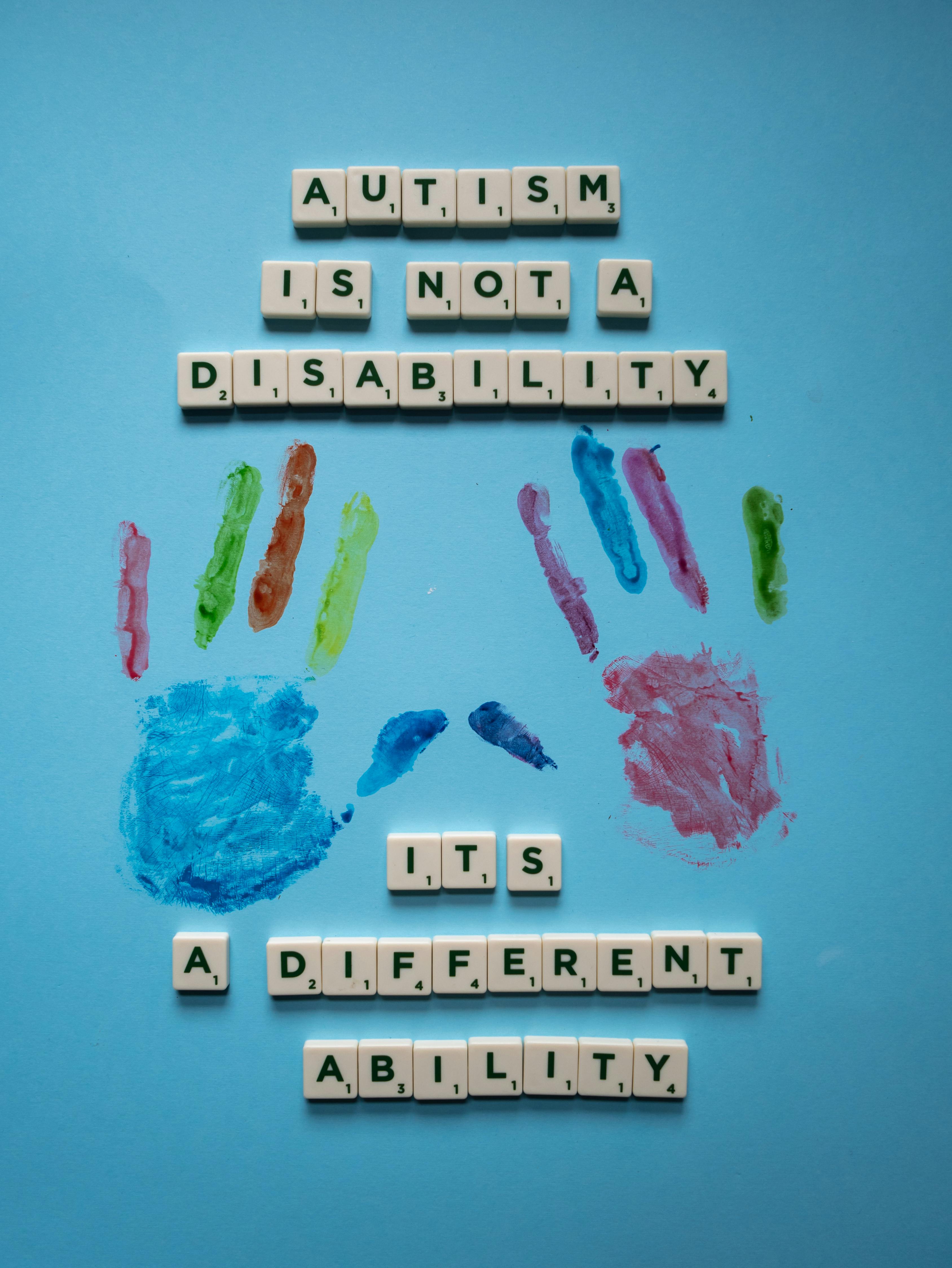
Parenting a child with Autism Spectrum Disorder (ASD) comes with unique challenges, particularly concerning their behavior. Many parents seek guidance on understanding and managing the behavior of their children affected by ASD. With appropriate strategies and support, much of the stress and strain associated with these difficulties can be alleviated, benefiting both the family and the child.

Behavioral challenges among children with ASD encompass various aspects, including communication, social interaction, adherence to schedules, and sensory processing. It’s crucial for parents and caregivers to recognize that seemingly inappropriate behaviors are often symptomatic of the underlying difficulties these children face in their daily interactions and communication with others.

Identifying the Root Causes of Behavioral Challenges

The causes of behavioral difficulties in children with ASD typically revolve around several key factors:

  1. Communication difficulties: Children with ASD encounter challenges in both verbal and expressive language, as well as in understanding non-verbal cues. This struggle can lead to frustration for both the child and the communicator, often resulting in behaviors that may appear problematic but stem from communication barriers.
  2. Social interaction challenges: Beyond communication, individuals with ASD often struggle to comprehend social cues and navigate social situations effectively. This difficulty extends to understanding others’ perspectives and adhering to social norms, making social interactions overwhelming and potentially leading to avoidance or feelings of being harassed.
  3. Difficulty with unstructured time: Children with ASD often rely on structured schedules to navigate their day effectively. Situations lacking a clear routine can cause confusion and frustration, leading to behavioral challenges such as acting out or feeling overwhelmed.
  4. Sensory processing issues: Many individuals with ASD experience heightened or diminished sensitivity to sensory stimuli, leading to sensory overload or seeking behaviors. These challenges can manifest in various ways, such as sensitivity to touch, selective eating habits, or discomfort with loud noises.

Moreover, individuals with ASD typically struggle with adapting to change, making transitions and unexpected events particularly challenging. It’s essential for parents to be mindful of environmental or schedule changes that may trigger problem behaviors, including illness, which can exacerbate sensitivities and communication barriers.

Addressing Problem Behaviors

When dealing with problem behaviors in children with ASD, it’s crucial to approach them with understanding and empathy. Rather than reacting to the behavior itself, it’s essential to identify the underlying needs or triggers driving the behavior. Keeping a behavior diary can help parents pinpoint patterns and triggers, enabling them to develop strategies to manage or avoid these situations effectively.

Supportive therapies play a vital role in helping children with ASD cope with frustration and regulate their behavior. These therapies may include exercise, quiet time in a calming environment, and engaging in relaxing activities. Setting realistic treatment goals and allowing for gradual progress is key, as individuals with ASD may struggle with rapid changes or integration of new behaviors.

Effective Strategies for Supporting Children with ASD

To optimize support for children with ASD, parents and caregivers can implement various strategies tailored to their unique needs:

  1. Clear and concise communication: Using simple language and visual supports can aid in overcoming communication barriers and enhancing understanding.
  2. Utilize visual aids: Visual schedules and social stories can help children with ASD anticipate and navigate daily routines and social situations more effectively.
  3. Emotion identification: Helping children recognize and express their emotions through visual aids or physical cues can facilitate emotional understanding and regulation.
  4. Relaxation techniques: Incorporating relaxation activities into the child’s daily routine can help them manage stress and sensory sensitivities more effectively.
  5. Create a soothing environment: Minimizing sensory distractions in the child’s environment, such as loud noises or bright lights, can promote a sense of calm and reduce sensory overload.
  6. Positive reinforcement: Tailoring praise and rewards to suit the child’s preferences and sensitivities can encourage desired behaviors and reinforce positive interactions.

Seeking Professional Support

In cases where a child’s behavior poses a risk to themselves or others, seeking professional help from psychologists or psychiatrists is essential. Professional intervention can provide specialized assessment and guidance tailored to the child’s needs, ensuring comprehensive support and intervention.

For additional support and guidance, parents can reach out to us at Alka Mansik Pramarsh Foundation. With qualified psychologists, our center offers counseling and assistance to families navigating the challenges of raising a child with ASD. Whether through email or phone consultation, seeking support from knowledgeable professionals can empower parents to effectively support their child’s development and well-being. You can reach out to us at mansikpramarsh@gmail.com or +91-9179383554.

In conclusion, understanding and supporting children with ASD require patience, empathy, and a tailored approach to addressing their unique needs and challenges. By employing effective strategies and seeking professional support when needed, parents and caregivers can provide invaluable support to their child’s growth and development, fostering a positive and nurturing environment for their overall well-being.

Read Full Post »

We regularly get queries from young parents asking for support to understand the behaviour of their wards suffering from Autism Spectrum Disorder and the behaviour difficulties faced by the affected children.

Children suffering from ASD have behaviour issues which are quite common. These issue relate to more about their communication, social interaction,working within the structured schedule and processing of the sensory information.However if parents are trained and equipped with the appropriate strategies , much of the stress and strain can be reduced bringing relief to the family and the child.They can often be managed through effective activity and behavior management.

There are many difficulties, ASD children face in their behaviour. These issues can be identified as difficulties in communication, issues of  sensory processing, social interaction, and physical balance issues that can make active play more difficult for these kids. Parents and caregivers need to understand that  such behaviours as appear inappropriate are in reality symptoms of the difficulties the child with ASD is facing in his her day to interaction and communicate with others .

Understanding the Causes of Inappropriate Behaviour

The main causes of behavioral difficulties are generally as follows:

Difficulties with communication: Children with ASD struggle with both verbal and expressive language, understanding what is being said to them, and comprehending non-verbal communication cues. This can, become quite frustrating for both the communicator and the child .The child may not be into problem behaviour but to the other person it would appear so ,which causes frustration at both ends.

Difficulties with social situations: The difficulties presented by social situations for a person with ASD are much more than mere communication; people with ASD struggle to understand others’ points of view and grasp the “unspoken rules” of social interaction that state when to, begin and when end a conversation. They are in no position to get the emotional nuances of social communication. Due to all of this, children with ASD may avoid social contact, and they are more likely to experience being harrassed and feel overwhelmed by unnecessary intervention by others in their life .

Difficulties with unstructured time: People with ASD have a hard time dealing with situations where there is no set schedule, as their brains have a hard time sequencing activities on their own out of the given timetable and schedule. Due to this some of the children with ASD are more likely to act out during the period which is not scheduled earlier eg.free period or suddenly declared break times, as they feel confused and frustrated.

Difficulties processing sensory information: Those with ASD often have over or under-sensitive senses, leading to a tendency to get overwhelmed or to seek attention to such a degree that it becomes embarrassing for the accompanying parent and the person interacting with the child.. ASD affected child may react strongly to an unwanted touch, be very selective and particular food eater, get largely disturbed and irritated by loud noises ( be it a noise coming from far off .The child feels unable to concentrate on account of background noise and reacts adversely.

Additionally, one should always remember that people with ASD do not easily adapt to change.Parents managing their ASD ward should be aware of the changes being brought about in their environment or schedule that can trigger problem behaviours.A sudden bout of Illness (especially seizures, which ASD individuals may be prone to) can also trigger adverse reactions as the child with ASD cannot give verbal expression to his or her pain. Doctors advise parents to use picture posters or diagrams to help children express where they are feeling pain.

Dealing with Problem Behaviour

It’s key to understand that the child is using these behaviours to try to communicate something to you, or to achieve some specific function. It’s vital to look under the surface of these behaviours so as to discover the unaddressed needs below. Try to asses what you child is trying to tell you, rather than reacting to the behaviour itself (resist “punishing”; few ASD children actually understand the cause and effect implied by it). It’s also advised to keep a “behaviour diary” or chart so that one can identify patterns in a child’s behaviour and from there, isolate what’s triggering the child’s episodes. One can then develop strategies to avoid or manage the triggers (be sure to introduce these slowly, as sudden changes in routine will do more harm than good). Likewise, expect the child to initially resist the change; stay patient and be consistent with it regardless, and make sure that other family members, teachers, and caregivers are also keeping consistent with it.

One should also develop supportive therapies to help the child shed his or her frustration; these typically include: exercise, brief time out periods in a quiet, darkened space, and relaxing activities. Set achievable treatment goals and don’t push too hard for rapid improvement, as people with ASD can struggle to integrate new knowledge and change behaviours.

To get the best out of a child with ASD, it’s often helpful to employ the following strategies:

  • Speak clearly and precisely (and use short sentences) in order to work around the difficulties that arise with complex verbal communication.
  • Use visual supports. Many children with ASD process visual information more easily than other forms of information. Timetables can be helpful to assist children in understanding schedules.
  • Create “social stories”. These are brief descriptions (using words and images) of situations, events, or activities that help tell a child with ASD what to expect during an upcoming social situation.
  • Help the child identify his or her emotions. This is often challenging to a child with ASD; use visual aids (such as “stress scales”) to help the child quantify what he or she is feeling and how intensely, and help the child learn via physical associations, such as showing him or her that anger connects to a reddening of the face, stomach pain, the urge to cry, etc.
  • Help them learn to relax. Children with ASD find it hard to relax, and can be very “intense” and obsessive in their interests. Try to work relaxing activities or some quiet “alone time” into his or her daily routine.
  • Make their environment more soothing. As children with ASD can become overwhelmed by sensory information, it’s important to ensure their environments are as free as possible of sensory irritants. Flickering lights, devices that give off background noise, scented candles, etc., should be removed.
  • Give praise, in the form your child likes best. Praise is as important to an ASD child’s learning as it is to most children’s learning, but depending on their unique needs, praise may have to be modified to suit the child. For example, some may not like hugs, some may not recognize verbal praise. Often visual cues like stickers on charts or time doing a favourite activity as a reward are effective forms of praise. Praise should be as immediate as possible so that the child can assess cause and effect.

Seeking Help

 If your child’s behaviour is placing him or herself at risk, or others at risk, you should seek professional help by a psychologist or psychiatrist, rather than trying to handle the situation on your own.

(more…)

Read Full Post »