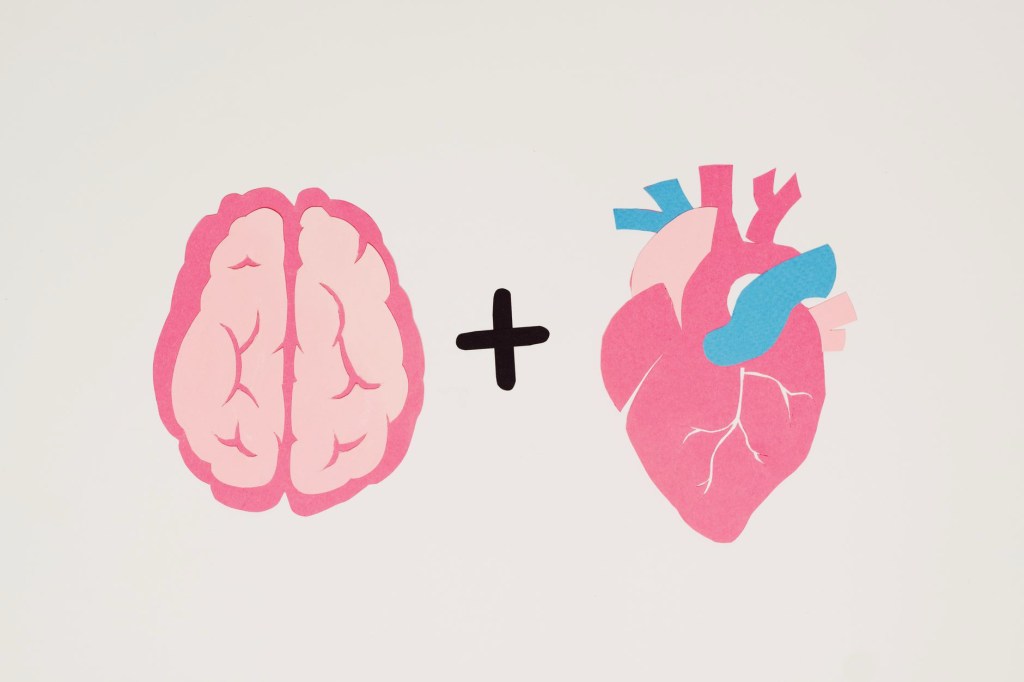
The 10-Days Concurrent Neuro-Somatic Protocol has been developed by us after a combined experience of over 50000 -75000 counselling and perceptive meditations sessions , conducted over a quarter of a century expertise .For the past twenty five years or more we have been able to help thousands of depressed ,anxious and stressed people overcome their distresses and disorders .
We now offer the same to millions of others to help then come out of their mental , emotional ,behavioural and psychological problems in a more disciplined sustained and medicine free manner . Daily Schedule Commitment: 60 Minutes Total (3 x 20-Minute Modules) Days 1 to 10: The Daily Tri-Phasic Session of an hour both offline in person or online through video calling sessions.
Every Day , the client completes three distinct 20-minute interventions to address the nervous system as a whole system: Module 1: Cerebrospinal Stimulation Therapy (20 Minutes)Mechanism:Fluid dynamics and central nervous system structural regulation. Daily Target: Calming autonomic arousal, establishing absolute physical safety, and preparing the spinal axis to receive neural signals. Module 2: Gut and Mind Therapy (20 Minutes)Mechanism: Central nervous system regulation and vagal nerve processing. Daily Target: Releasing visceral emotional blockages, balancing microbiome-to-brain signals, and stabilizing the chemical foundations of mood. Module 3: Perceptive Meditation & Prefrontal Cortex Connects (20 Minutes Mechanisms ) : Synaptic activation and cortical network integration. Daily Target: Actively re-establishing suppressed neurons and synapses. Removing barriers between the prefrontal cortex and the wider cortex to instantly correct how current real-world situations are perceived and processed. Day 10 : The Post-Protocol Clinical Review and further action plan.
All those who are really keen on helping themselves in a more positive and planned way to treat themselves out of their disorders and lead a better peaceful daily life can connect with us at
Much has been written by thinkers, philosophers, scientists, sages and preachers on the subject of mind and heart. There has been endless research on the issue of restless mind and spirit of human beings, yet the peace still eludes many of us. The world still suffers from many diseases of the mind and heart. Words like depression, anxiety, stress and phobic disorder, mental disorder, behavioral disorder are being used like the common place flu and colds happening to ordinary people. The medical world abounds by all kinds of medicines and treatments, offering little respite to those who suffer. People continue to suffer .Their restless minds and souls are constantly being tormented.
Through the columns of these pages we will try to understand how do we establish better understanding of these matters of mind and heart to reach emotional stability in our lives and keep our lives balanced.
We humans are connected with the organic world with the most developed brain and thinking powers. In the organic world three kinds of living beings exist i.e., those that have the instinctual survival bereft of any emotions, those that survive only on the basis of their physical strength and display only momentary emotional awareness .
Humans have been bestowed with the powers that can generate emotions in our system involuntarily and activate our thinking system whether we like it or not.
We also have a fully developed mental perception, which can take cognizance of the matter and connect it to the events and consequences.
We have a fully developed memory. We think, we imagine, we connect and we activate. Much as man would like to become thoughtless at times, sleep without any connection to the real world, the brain continues working either voluntarily but mostly involuntarily.
The involuntary emotional system activates our mind all the time. It forces the mind to imagine, to create and to dream. The dreams motivate us to plan which are executed by us to realize all those that we dreamt of. But in the law of our land where we have the thought, the power to dream and the power to reflect, we do have the situations that cause conflict and pain. For wherever there is a mind, the thought, the power to reflect, the analytical skill, there we have the conflict, the contradiction. No mental activity can ever be without the contradictory and opposite situation.
Wherever we have the mind, we have the pain and we have the misery.
Man however does not want to suffer. He wants to always be in comfort, in happiness and in the enjoyment of a happy life. This is a natural phenomenon .All living beings look for a life full of comforts. The inanimate only do not know the difference between the comfort and discomfort.
The living beings who do not have a mind suffer only for a short while. Their sense of discomfort is only short lived, is unexpressed on account of lack of emotions . They do not consign their discomfort to their memory bank. Nor do they draw upon their memory bank to reflect and compare their current and past discomfort. But man being a thinking organic sensitive emotional mind feels, expresses, analyses ,compares and consigns all comforts and discomforts to his memory bank, thus in a way being always under the load of misery .
Can the mind be free from worries and miseries?
We are all part of the larger organic world in which we are all living beings like millions of other kinds of living being inhabiting the solar system. Our world in fact as compared to the world of other living beings of the universe is too small. We are very miniscule in numbers, barely a few trillions all over the globe.
The other planets must be peopled with many more living beings which the science is continuously researching into. Whether those living beings too have similar emotions, thoughts, mind and heart developed like us, only the research will find out.
But humans of our dear earth are endowed with a developed mental faculty. we all think .Thinking ,reflecting is an activity of the mind. We remember, we consign our thoughts to memory bank. We imagine. We create thoughts. Creation of thoughts and imagination is a mental exercise. We plan larger things for our life by the strength of our imagination .We dream of things that are larger than our life. We aspire for making these dreams come true. we do realize some of these dreams, imagination, and aspirations yet many other remain out of reach .
In order to understand the malady that has befallen the modern mind we will have to know the functioning of the mind in the modern age .the modern times are the reflectors of the cerebral psychological problems. Every individual is involved fully into the mental day to day stresses of life.
The involvement of the human mind into the cerebral problems becomes the major detriment to the peace and happiness of the human intellect. Every human being wants to become free of the mental stress that he is suffering from. We need to understand as to what mind is, in order to get liberated from the stresses and problems of the mind.
Without really looking into the functioning of the mind it is simply irrelevant to solve the problems that exist in our psyche today.
What Is Schizophrenia?
Schizophrenia is a chronic, disabling brain disorder that affects about 1% of Americans. It may cause people to hear voices, see imaginary sights, or believe other people are controlling their thoughts. These sensations can be frightening and often lead to erratic behavior. There is no cure, but treatment can usually control the most serious symptoms.
Schizophrenia Symptoms
Symptoms of schizophrenia may include
• Delusions — wildly false beliefs
• Paranoia — the fear others are plotting against you
• Hallucinations — hearing voices or imagining things that do not exist
Some symptoms, such as lack of enjoyment in everyday life and withdrawal from social activities, may mimic depression.
How Schizophrenia Affects Thoughts
People with schizophrenia often have abnormal ways of thinking. They may have trouble organizing their thoughts or making logical connections. They may feel like the mind is racing from one unrelated thought to another. Sometimes they experience “thought blocking,” a feeling that thoughts are removed from their head. Despite popular belief, schizophrenia is not dissociative identity disorder (multiple personality disorder.
How Schizophrenia Affects Behavior
Schizophrenia causes a wide range of behaviors. People may speak incoherently or even make up words. They may act agitated or appear stone-faced. Many people have trouble maintaining basic hygiene or orderly homes. Schizophrenia can also cause repetitive behaviors, such as pacing. In contrast to common stereotypes, the risk of violence against others is small.
Who Gets Schizophrenia?
Schizophrenia affects men and women at the same rate, and occurs almost equally in all ethnic groups around the world. Symptoms usually begin between ages 16 and 30. The onset tends to be earlier in men than in women. Schizophrenia rarely begins during childhood or after age 45. People with schizophrenia in their family may have a higher risk for the illness.
What Causes Schizophrenia?
The exact cause is not known, but scientists suspect genes and environment both play a role. Inside the brain, levels of the chemical messengers’ dopamine and glutamate may be out of balance. And brain structures may be abnormal, too. For example, brain scans of identical twins show that the fluid-filled “ventricles” can be larger in a twin with schizophrenia, compared with a twin who does not have the illness. Activity levels can also be higher or lower than normal in some areas of the schizophrenic brain.
Diagnosing Schizophrenia
There are no lab tests to detect schizophrenia, so a diagnosis is usually based on history and symptoms. Tests may be ordered to rule out other medical causes of symptoms. In teenagers, a combination of family history and certain behaviors can help predict the onset of schizophrenia. These behaviors include withdrawing from social groups and expressing unusual suspicions.
Medicine for Schizophrenia
Prescription drugs can reduce symptoms such as abnormal thinking, hallucinations, and delusions. It’s thought they work by regulating certain brain chemicals and receptors that influence thinking, perception, and behavior. Some people have troubling side effects, including tremors and weight gain. Schizophrenia drugs can also interact with other medications or supplements. In most cases, long-term medication is essential to managing schizophrenia.
Preksha Meditation
The symptoms associated with schizophrenia can be reduced and behaviors and thoughts can be brought back to normal by our regular daily counseling sessions/mental exercises/ preksha meditation and Kayotsarg
Psychosocial Therapies
Counseling can help people cope with their problem behaviors and thoughts, and improve how they relate to others. In cognitive behavioral therapy (CBT), people learn to test the reality of their thoughts and better manage symptoms. Other forms of therapy aim to improve self-care, communication, and relationship skills. These strategies are are adopted in addition to medication, to help people manage everyday challenges.
Rehabilitation
Rehabilitation may include job training, money management counseling, and guidance in using public transportation or shopping for groceries. The goal is to help people with schizophrenia stay employed and maintain as much independence as possible. Rehab programs are particularly effective when combined with psychotherapy.
Relapse Prevention
People with schizophrenia sometimes quit their medications because of side effects or a poor understanding of their illness. They may stop attending counselling / preksha meditation sessions before the actual benefits occur to them. This raises the risk of serious symptoms returning and triggering a full psychotic episode. Regular psycho social therapy can help people stay on medication/CBT/ Preksha Meditation and avoid a relapse or the need for hospitalization.
Schizophrenia and Relationships
Relationships can be a challenge for people with schizophrenia. Their unusual thoughts and behaviors may alienate friends, co-workers, and family members. Sticking to a treatment plan can reduce social isolation. One form of therapy focuses on forming and nurturing interpersonal relationships. In addition, support groups or family therapy can help loved ones better understand the illness.
Schizophrenia and Substance Abuse
People with schizophrenia are much more likely than the general population to abuse drugs or alcohol. Some drugs, including marijuana and cocaine, can make symptoms worse. Drug abuse can also interfere with treatments for schizophrenia. Patients with a drug problem may benefit from substance abuse programs specifically designed for people with schizophrenia.
Schizophrenia and Pregnancy
Most drugs used to treat schizophrenia have no known risk for increasing the risk of birth defects, but decisions about medication treatment for schizophrenia during pregnancy should be discussed with your doctor.
Tips for Family Members
Schizophrenia can be confused with other mental health disorders so a careful evaluation is key. It can also be difficult to convince someone with schizophrenia to get help. Treatment often begins when a psychotic episode results in a hospital stay. Once the person is stabilized, family members can help prevent a relapse by:
• Encouraging the person to stay on meditation/counselling /medication. How can we help you: Mansik Pramarsh program for managing schizophrenia disorder is supported to help children and adults to overcome the symptoms associated with schizophrenia by our regular daily counseling sessions/mental exercises/ preksha meditation and Kayotsarg. Hundreds have benefited, it is your /your child’s turn now. Call 09179383554 or email: mansikpramarsh@gmail.com.
Do you feel sad stressed and down sometimes, it could be natural to have a low state of mind for day or two but if it persists and low mood lingers on for more than a week or two it could be depression. Major depression is an episode of sadness or apathy along with other symptoms that stay with you at least two weeks and interrupt your daily activities. Depression does not indicate weakness or that you are a negative personality. all kinds of depression indicate some a major health problem and needs to be treated medically . Depression Symptoms: Emotional
The primary symptoms of depression are a low and sad and/or loss of interest in day to day activities of your life. daily routine tasks that were once pleasurable appear much burdensome now . a sense of guilt or worthlessness prevails on the mind causing a lack of hope, and recurring thoughts of death or suicide can often trouble . Depression Symptoms: Physical
Depression is sometimes linked to physical symptoms. These include:
• tiredness, low energy and fatigue .
• sleeping very late in the night, early-morning waking and Insomnia.
• Excessive sleep for long hours
• Persistent aches or pains, headaches, cramps, or digestive problems that do not ease even with treatment
Depression can make other health problems feel worse, particularly chronic pain. Key brain chemicals influence both mood and pain. Treating depression has been shown to improve co-existing illnesses. Depression Symptom:
Changes in appetite , sudden changes in the body weight are symptoms of depression. Increased appetite, or loss of appetite .sudden and serious unexplained weight loss or weight gain.
Serious effects on daily routine of life.
Depression can cause loss of careers, and strain relationships . Nothing seems good. there is a complete loss of interest in pleasure activities, including sex. In severe cases, depression can become life-threatening. Suicide ideation can be sign of warning
Suicide ideation is common amongst the depressed. they often indulge in talking about death or suicide. they can get aggressive and threaten to hurt people. This can be serious . You can immediately call 09179383554 to speak to us If you ever think of or idealise suicide . We will help you overcome such negativity.
Doctors link the cause of depression to altered brain structure and chemical function. they are of the opinion that ,”Brain circuits that regulate mood may work less efficiently during depression.although it has not been conclusively proven in any validated research. yet the Medicines that treat depression are prescribed with the belief to improve communication between neurons , making them function normally. Experts also think that while traumas caused by the stress of life can trigger depression if and when one is biologically prone and vulnerable to develop the disorder. depression can also be caused by long term chronic disease , lack of vitamins ,some of the medications, alcohol or substance abuse, thyroid, PCOS, hormonal changes, or even the season. Diagnosing Depression:There is no established lab test for depression. There are a few tests developed by psychologists , make an accurate diagnosis, where the psychologists/ doctors analyse a patient’s description of the symptoms over a period of past two to six months . These tests will refer to your medical history, your mood history, and discuss behaviors, and daily activities which will help reveal the severity and type of depression . The test can also reveal anxiety and stress to find out the most effective treatment for depression. Therapy for Depression
It has been observed that various kind of talk therapy can fight mild to moderate depression. Cognitive behavioral therapy helps analyse and change thoughts and behaviors that contribute to depression. Interpersonal therapy identifies how your relationships impact your mood. Psychodynamic psychotherapy helps people understand how their behavior and mood are affected by unresolved issues and unconscious feelings. Some patients find a few months of therapy are all they need, while others continue long term.
Medications for Depression
Good follow-up with your doctor is importance. If the first medication tried doesn’t help, there’s a good chance another will. The combination of talk therapy and medication appears particularly effective.
The Role of Social Support
Because loneliness goes hand-in-hand with depression, developing a social support network can be an important part of treatment. This may include joining a support group, finding an online support community, or making a genuine effort to see friends and family more often. Even joining a book club or taking classes at your gym can help you connect with people on a regular basis.
Electroconvulsive Therapy (ECT)
Another option for patients with treatment-resistant or severe melancholic depression is electroconvulsive therapy (ECT). This treatment uses electric charges to create a controlled seizure. Patients are not conscious for the procedure. ECT helps 80% to 90% of patients who receive it, giving new hope to those who don’t improve with medication.
Preksha meditation :The Perceptive Breathing Technique Helps Fight Major Depression
Preksha meditation -The Perceptive Breathing technique can bring down the stress hormones in the central nervous system.
Preksha meditation -The Perceptive breathing exercises help alleviate severe depression, as has been proved by the treatment of many patients by us who have long been under the treatment of medication administering medicines .
Most of our patients , had depression that had not responded to medication even after a long treatment .The beneficial treatment under Preksha meditation -shwas preksha -The Perceptive Breathing Technique conducted on a large group of patients , by us in our clinic reveal that :“a large number of patients not responding to the treatment of antidepressants and SSRIs , find the new technique of controlled breathing – under Preksha Meditation shwas preksha much more helpful -The Perceptive Breathing technique had in reality worked best for each person to treat their severe and chronic depression. Preksha meditation -The Perceptive Breathing Technique comes out as the short term but long lasting promising, lower-cost therapy and a , non-drug approach for patients suffering from severe depression. .”
Preksha meditation -The Perceptive Breathing Technique can be learnt over a series of sitting sessions of Preksha meditation -The Perceptive Breathing Technique in our clinic over a period of two to three months and the disease can be eliminated completely.
The technique involves a series of perceptive rhythmic breathing exercises designed to put the mind and body of the affected in a tranquil, calm , peaceful , purposeful and meditative state.
How can we help you: our regular daily sessions of preksha meditation , Kayotsarga ,counseling sessions/mental exercises at Mansik Pramarsh is a specialist conducted program for managing to overcome depression . Hundreds have benefited, it is your turn now. come and join .Call 09179383554 or email : mansikpramarsh@gmail.com.
Members of families in their ignorance or sometimes deliberately hurt each other to cause an unending mental emotional pain. Although a good family is meant to help individual members develop themselves to their full potential but chains of miscommunications, uncalled for egos, familial fights, discords and long-drawn-out misunderstandings result into a dysfunctional family hampering not only relationships but also a complete non achievement of personal career goals by individuals.
Kritika and Vijay (names changed) have been victims of two such grossly dysfunctional families themselves in their young age prior to their marriage and have till date (even after a decade of their having been married) not been able to overcome traumas of their young days in their parental homes. Resultantly now their children suffer from traumas of dis -functioning of their own families.
Little girl doesn't want to hear arguing of parents
Dr Kritika (name changed) and her two siblings have been witnessing painful fights of their parents all through their life where a triangular drama would take place every day and night with sibling shifting allegiances and taking sides sometimes with their father, another time with mother or being at war with each other. These fights still continue even though all siblings have chosen their own paths in life, they continue abhorring each other. Kritika’ s all efforts to bring her parents and siblings together again is not being accepted by others of family resultantly their deadlock remains.
Such painful family events and interactions leave intense hurts, personality issues, traumas and social adjustment issues all through life. Sejal, Sonia, Kamolika, Anand, Sumit (fictitious names ) and many others such people have been suffering PTSD, Anxieties ,Mistrusts ,phobias ,adjustment issues after they lived through such most painful family dramas and now they suffer alongside their children and spouses too because of the torments of the past .
The indelible scars of family fights destabilise the psyches of family members, have impacted their relationships, job performance and emotional stability all through the life. We have been helping many of such families deal with such dis functioning, Traumatic experiences childhood scars, depression anxiety and stresses to enable them understand what emotions prevailed when the dis functioning occurred, and how these family members could not deal with their as well as their parents’ partners, children and their siblings’ similar experiences —in which their entire family had suffered and many of them still suffer.
Understanding Triangulation of the dis functioning.
The functioning of any family gets disturbed when the normal day to day interaction with each other turns into accusations of not fulfilling expectations. Or when communication is not understood in the right perceptive or when the words used for emotions do not convey the spirit behind but the use of those words and dialogues or when patience is short lived and angers flare up.
In any such situation, the battle field turns into the members un knowingly playing the roles of perpetrators, victims or the negotiators who often act as mediators or pacifiers. But sometimes they also end up taking sides with either one. We believe every household or a family can get into such a situation one time or the other. However, if such a situation continues or comes up recurrently is the cause for alarm. Because if not resolved at the appropriate time it can turn onto a chronic dis functioning of the family.
A new understanding and perception of dealing with those situations have helped these families deal with and each individual member transformed into a stable, loving, mature, and dependable person, attaining their best personal success after they have come over to Family Therapy India.
If your family is one such family suffering from misfunctioning and traumas of the past . It is time now to help your family overcome such disputes, ego bruises, mistrusts and angers of the past. Take control of your life and feelings, and help others understand the need for curing their feelings. Know that we can help you bring about a positive change in your filial relationships. With commitment and time and our expert counseling sessions of family therapy, healing begins steadily and gradually until the family adopts the new normal relationships.
Families are often envisioned as the cornerstone of love, support, and growth. However, the reality is far more nuanced, with many families grappling with the complexities of dysfunction, unresolved conflicts, and intergenerational trauma. In this blog post, we will deep-dive into the profound impacts of dysfunctional family dynamics, exploring real-life examples and therapeutic insights to understand the journey towards healing and restoring familial harmony.
The Ripple Effects of Dysfunction:
Meet Kritika and Vijay (names changed), whose experiences epitomize the enduring repercussions of dysfunctional family environments. Their stories resonate deeply with countless individuals who have experienced familial dysfunction. Kritika and Vijay, having weathered tumultuous family dynamics in their formative years, continue to grapple with the emotional scars, even a decade into their marriage. Their unresolved traumas have cast a long shadow over their parenting journey, as their children inherit the legacy of unresolved conflict and emotional turmoil.
Dr. Kritika, a pseudonym for a real individual, provides a poignant example of the intergenerational transmission of dysfunction. Raised amidst the daily tumult of her parents’ disputes, she and her siblings bore witness to a triangular drama that played out with agonizing regularity. Lines were drawn, allegiances shifted, and familial bonds strained under the weight of unresolved grievances.
The ripple effects of dysfunctional family dynamics extend far beyond the immediate participants, permeating the lives of subsequent generations. Individuals like Sejal, Sonia, Kamolika, Anand, and Sumit, though fictional in name, embody the collective struggles of those who have endured traumatic family events. From PTSD and anxiety to deep-seated mistrust and unresolved phobias, the psychological toll of dysfunctional family dynamics reverberates through every facet of their lives. Moreover, their own children and spouses find themselves unwitting participants in a cycle of dysfunction, perpetuating the cycle unless intervention occurs.
Understanding Triangulation:
Central to our understanding of dysfunctional family dynamics is the concept of triangulation. What begins as innocuous interactions can quickly devolve into accusations, misunderstandings, and unresolved emotions, with family members unwittingly assuming roles as perpetrators, victims, or mediators. Left unchecked, these patterns of dysfunction can become entrenched, eroding familial bonds and hindering individual growth.
Yet, amidst the turmoil, there is hope. Through innovative therapeutic approaches, families can take on healing and reconciliation, managing past trauma to embrace a future defined by mutual understanding and support.
The Path to Healing:
At our organization, we offer a framework for addressing the underlying issues that contribute to familial dysfunction, empowering you to break free from the shackles of intergenerational trauma. Central to this process is the cultivation of empathy and understanding, both within the family unit and in the broader community.
By creating a safe space for open dialogue and honest communication, we begin the healing process, allowing individuals to confront their past traumas and head towards a brighter future. Through individual and group therapy sessions, families learn to navigate conflict constructively.
For individuals like Kritika and Vijay, the journey towards healing is challenging, but ultimately important. By confronting their past traumas and embracing a future defined by mutual respect and understanding, they lay the foundation for a closer bond.
Conclusion:
Through therapeutic support, families heal and reconcile, overcoming past trauma for mutual understanding. Together, we can break the cycle of dysfunction.
Neena felt desolate and lonely, and she suffered a sense of disorientation as she had been denied the job she was so confident of getting.
Rueben had completely given up after he had been passed over for a promotion, with his employer company preferring another candidate much junior to him in experience.
Tamanna felt numb and low after her boyfriend Nahar dropped her and opted for another relationship.
All these people have been denied and rejected from doing whatever they had expected or wanted to do. Some of them had worked for and invested years in reaching where they wanted to be in their careers or relationships.
Many such rejections have been witnessed in recent times, where people had to leave their homes and friends abroad after being denied extensions of visas, or students had to shelve their study plans for similar reasons.
Getting rejected breaks morale. It hurts to the core too. Whether it’s being rejected by a suitor, denial of a much-awaited promotion, or a rejected job interview, rejection is not always taken in an acceptable manner. Even though people are sometimes apprehensive of hearing a “no,” they do not want to hear it for fear of not being approved.
For some people, the fear of hearing “no” becomes so strong that it stops them from taking risks or asking for what they want. Rejection sensitivity can deeply affect daily life, leading to anger, irritation, financial stress, social stress, and often much more than what is stated above.
With so many layoffs, upheavals, and shelving of long-term plans, the hopes and confidence of many are getting derailed.
Let’s understand how we can deal with rejections and the shattering of dreams and expectations, and make rejections less hurtful and more introspective in an accepting way to help rebuild mental and emotional strength and move forward. It sounds easy, but it is not. That’s where the process of “rejection therapy” plays a very positive role in rebuilding and re-emerging as a better person.
What is rejection therapy, and how does it help?
We would rather call it a reconfirming self-technique, where we undertake self-acceptance, self-expression, and a self-improvement process that we can practice on our own when needed.
In this therapy, instead of avoiding situations where we might be told “no,” we actively anticipate them without causing apprehension and anxiety.
The dynamic social environment carries a lot of grapevine, and if we pay attention to these rumours, we can expect to be either accepted, ignored, or rejected. The anticipated discomfort begins much in advance, and we can build resilience to it in smaller steps.
You start with tiny social challenges where you expect to be rejected, and then gradually build your tolerance to discomfort.
The goal isn’t to reject rejection. The exercise helps build confidence, reduce social anxiety, and not permit fear to control your life. When we realise that rejection does not mean as much as we thought—and that many people are kinder than we imagine—it becomes easier to take risks that matter.
But that doesn’t mean you should expect only negative results. Being hopeful and positive has its rewards, and that realisation brings happiness and acceptance.
Wherever you fear and anticipate rejection, acceptance can bring wonderful surprises and self-acceptance.
Gradually, the human brain learns that rejection can be worked through by looking for substitute rewards, and that rejection is not as damaging as expected.
Small steps in dealing with anticipated refusals make you more accepting and comforted. You move on in life and develop maturity and patience to bear the brunt of major challenges.
Each rejection handled with calmness and maturity builds mental and emotional strength and equips the brain with a better understanding of the subject, developing resilience and adjustment.
Rejection then becomes less painful and traumatic as you learn to manage such situations deliberately.
Rejection becomes less self-effacing and more about learning and adjustment. Your brain rewires itself to see social situations as opportunities for growth rather than threats to avoid.
If the thought of anticipated rejection or refusal causes severe anxiety, panic, or intense negative emotions, you should seek professional support from a therapist rather than trying to handle it alone. We at Alka Mansik Pramarsh Foundation can help you manage such anxiety, fear, or panic and help you move forward.
Rejection does not define your life in totality. It can be an opportunity to build a stronger future and prepare yourself to overcome the fear of rejection.
When you stop letting the possibility of hearing “no” determine your worth and start adding value to your decisions for the future, you open yourself to opportunities, connections, and experiences you might have overlooked.
You can contact us at Alka Mansik Pramarsh Foundation if you feel you need professional counselling in the following situations:
When your anxiety, fear, or stress worsens and causes distress
When you are unable to move past feelings of rejection and constantly feel sad or hopeless
When you experience panic
When you develop physical symptoms or traumatic stress linked to negative thoughts
When you find yourself becoming avoidant, overly self-critical, or nihilistic
When you feel overwhelmed or have thoughts of self-harm
When you are unable to carry out your day-to-day functioning
Please call or reach out to us at @mansikpramarsh. We would be glad to help you.
Everybody can be distracted or daydream at different times and in different situations, but when the distraction can be beyond a set social and medical criterion these distracted behaviors become excessive and could prove problematic. The medical- psychological term for these difficulties is Attention Deficit Hyperactivity Disorder (ADHD) and some of the signs of this difficulty include:
Being easily distracted
Making “careless” mistakes
Struggling to follow instructions carefully and completely
Repeatedly losing things like toys, pencils, or anything you might need to complete a task
Psychiatrists have identified that problem with attention, is often coupled with signs of hyperactivity such as:
Restlessness and fidgeting
Dashing about in situations when the child as expected to sit still and be quiet
Blurting out answers or interrupting others
Getting really frustrated if you have to wait in line or queue
The symptomatic types of signs associated with attention deficit lead to frequent wrong diagnosis of ADHD. Parents, teachers and doctors have to be keenly alert to whether signs are demonstrated across a number of situations, e.g.in school, at home, during extracurricular activities or if they are isolated to a specific subject area, which may indicate a much more specific problem.
In order to gain a formal diagnosis, psychiatrists/doctors will be looking for evidence that the problems were demonstrated early in life (before the age of 7).
Once a psychiatrist /doctor has this evidence, a full assessment, which often includes lots of different specialists, can start. However, arriving at a formal diagnosis for ADHD can sometimes be a longwinded and frustrating process. Also, because poor concentration often affects progress at school, problems can be compounded with the passing of time.
Once diagnosed, treating a child with ADHD can present a difficult choice: whether or not to make use of medication. Other approaches include behavioral modification and management program.
Symptomatic highlights:
Attention
Does your child struggle with attention and concentration?
Balance and Coordination Reading and Writing
It could be dyspraxia or Developmental Coordination Disorder (DCD), a condition that affects around 1 in 30 of us. Boys are at least four times more likely to be affected than girls.
There seems to be some difficulty with the way the brain processes information – it affects planning of what you want to do and how you want to do it.
Often difficulties with coordination go hand-in hand with other issues, such as difficulty with reading, Attention and Organization Skills.
For children with coordination difficulties, actions like running, jumping, balancing and cycling can prove extremely challenging. For adults, this may have translated into difficulty with driving, household chores, cooking and even getting dressed.
The tell-tale signs can be spotted at two levels.
There may be problems with gross motor coordination skills, which may result in:
Poor balance
Difficulty learning to catch and throw
Difficulty learning to ride a bicycle
Difficulty climbing stairs
Difficulty learning to get dressed
There may also be problems with fine motor coordination skills, including difficulty with:
Delicate tasks like using cutlery
Doing up buttons and zips
Tying shoe laces or ties
Handwriting
Often, as time goes on and children get more practice, things may become easier. In some cases, physiotherapy or occupational therapy may be appropriate.
Of all the skills we learn as children, reading and writing are among the most difficult and important. They help us build our knowledge and gain an understanding of the world.
As we get older, our ability to take in and produce written information is considered to be a fundamental skill required for success. So it is not surprising that if reading and writing prove to be difficult skills to learn, it can be a problem for the child, for their parents and for teachers at school.
For children with learning difficulties, learning to read can be an exhausting and frustrating task that simply doesn’t get any easier. In many instances, these difficulties continue into adulthood and the difficulty is hidden or avoided rather than overcome.
Lots of people take the act of reading for granted. For them it is acquired effortlessly and soon becomes second nature. But the processes involved are anything but simple! When we look at some text, a lot of physical, neurological and mental processes have to work together in order for us to make sense of what is on the page.
Our eyes have to track the text in a precise movement; nerves in our eyes take information to the brain; the brain does some special processing to convert that into language; and then that information has to be converted again into meanings.
With a process this complex, there are plenty of things that can (and do) go wrong for some people. It is not that those people are lazy or stupid. In fact they might be trying MUCH harder than other people, but it is simply that their ability to process the information, and make things become automatic, is not as efficient. Learning through practice is consequently much slower than it should be. When children are learning to read, there are a number of different signs that they might be Struggling . Signs include:
Difficulty sounding out words and recognizing them out of context
Confusion between letters and the sounds they represent
Difficulty reading aloud
Reading without expression
Ignoring punctuation
Comprehension difficulties
Trouble remembering or summarizing what is read
Often people who have significant problems with reading and writing will be diagnosed with dyslexia. This is no reflection on intelligence or IQ (many are bright and creative people).
People tackle difficulties with reading and writing in a number of different ways. For many, the first option is more teaching around word sounds (phonological); for others it is sound-based or visual therapy. All these routes have their merits and their success stories.
Do you or your child have trouble with movement and coordination?
Do you or your child have trouble with reading and writing?
Many people, who have taken up the Special Mansik Pramarsh Programme, tell us that their ability to focus on the task in hand improves dramatically.
People who have struggled to run without tripping up, or have never been able to ride a bike, tell us that they are able to do these activities for the first time. For others, it is more about small improvements day after day, but the overall result is similar.
We have successfully worked with thousands of people who have symptoms associated with dyslexia, dyspraxia and ADHD. Those who have completed the Programme have reported outcomes which include:
Improved Concentration,
Better Coordination, Increased Self-Confidence,
More Motivation for Reading and Schoolwork,
Improvements in Reading and Spelling Scores,
Enhanced Social Skills And Greater Sporting Ability
Mansik Pramarsh program deals with what some researchers believe may be the underlying cause of learning difficulties; poor cerebellar efficiency. Our program aims to stimulate the cerebellum to improve concentration, coordination, reading, writing and the processing of information, as well as make skills become more automatic.
In a world where stress, anxiety, and depression often feel like unavoidable parts of life, many are looking for a way to heal that doesn’t rely solely on a prescription bottle.
The “Science of Living” offers a powerful, drug-free alternative by combining two proven methods: Perceptive Meditation and Cognitive Behavioral Therapy (CBT). While CBT gives you the mental tools to handle life’s challenges, Perceptive Meditation works directly on your body’s internal chemistry, helping to balance your hormones and nervous system from the inside out.
Together, these therapies bridge the gap between the mind and the body, offering a holistic path to lasting peace and emotional resilience.
The Body-Mind Connection
Modern science is beginning to validate what traditional practices have long held: the “psychic centers” of the body—biologically known as the endocrine glands—are the bridges between our physical and mental states. This field, known as psychoneuroendocrinology, studies how our thoughts affect our hormones, emotions, and intellectual functioning.
Recent evidence highlights the power of focusing on these centers:
Hormonal Reset: A 2025 study in Nature confirmed that specific breathing and focus techniques (like those in Perceptive/Preksha meditation) increase oxytocin and endorphins while significantly lowering cortisol.
Neuroplasticity: 2026 research shows that short-term meditation can “shrink” the amygdala (the brain’s fear center) and “thicken” the prefrontal cortex (the center for logic and control).
Genetic Impact: Trials indicate that 8 weeks of consistent practice can positively alter gene expression related to immunity and metabolism.
2. Defining the Two Pillars
What is Perceptive Meditation?
Perceptive Meditation is a technique focused on the psychic centers (endocrine glands) to transform emotions, attitudes, and behaviors. By meditating on these centers with complete absorption, practitioners can “rectify” chemical secretions—shifting them from negative (stress-inducing) to positive (wellness-inducing).
It works on three levels:
Physical: Rejuvenates the immune system and improves circulation.
Emotional: Harmonizes the nervous system to eradicate depression, anxiety, and psychosomatic disorders without medication.
Psychological: Cleanses the mind of suicidal ideation, low self-esteem, and chronic negativity.
What is Cognitive Behavioral Therapy (CBT)?
Cognition refers to the conscious mental processes of thinking and reasoning. CBT is a goal-oriented “talk therapy” designed to help individuals rectify distorted thinking patterns that occur during emotional distress.
When we experience trauma or upheaval, our minds often lose touch with healthy cognition, leading to a “negative filter” through which we view all events, people, and ourselves. CBT provides the tools to challenge these thoughts and return to a balanced perspective.
3. How the “Joint Therapy” Works
By combining these two methods, we create a two-pronged approach to healing:
Feature
Perceptive Meditation (The Body)
CBT (The Mind)
Focus
Internal “Psychic Centers”
External Triggers & Beliefs
Mechanism
Flushes negative chemicals; calms the nervous system.
Identifies sources of distress (e.g., bullying, trauma).
Goal
Physical re-tuning of the stress response.
Cognitive tools to handle future triggers.
4. Real-World Applications
Clinical trials from 2024–2026 show that this integrated approach produces spectacular results for:
Severe Conditions: PTSD, Chronic Pain, and Clinical Anxiety.
Behavioral Disorders: OCD, ADHD, and Eating Disorders (Anorexia/Bulimia).
General Well-being: Improving resilience in students and retirees, and preventing depression relapses.
5. What to Expect in a Session
This joint therapy is a collaborative, non-medicinal process. A standard program involves:
Frequency: 50-minute sessions, 3 times per week.
Practice: Combining deep meditation on endocrine points with written and spoken cognitive exercises.
Outcome: A long-lasting empowerment that develops new cognitive abilities and a positive self-perception without causing additional mental trauma.
By Ramneek Kapoor – Family Therapist, Psychologist, and Science of Living Expert
Sudhir (name changed ) has been managing his large company for years together and didn’t believe it could happen to him when he was told by this psychologist ,” you have been suffering from high functioning depression”. “ But how is this possible ,I have been managing all my affairs well and attending to all my routine .However the family could notice him being bored quite quickly and Sudhir has of late been getting tired often ,showing signs of irritation and impatience .

Often it is believed that a high functioning individual can never be depressed or even tired because he seems to always be active ,agile and his metabolism could be working at its best .But that may not be the case always .
High-functioning people always seem to be on the drive manning not only their work but also of others work too. High functioning depression is a term used to describe people who experience symptoms of depression while largely maintaining their daily responsibilities and outward appearance. Such high functioning individuals often are able to maintain high flying careers, professional relationships, and social lives, making it difficult even for themselves to recognize their own depressed state of mind .It could generally be taken as tiredness and distraction and they shrug it away ,when told that they could have a depression.
Is high -functioning depression a mental illness or an emotional disorder ?
The term high-functioning depression has not been officially recognised anywhere till now neither in ICD 10 or even in the Diagnostic and Statistical Manual of Mental Disorders (DSM-5). It is thus obviously not diagnosed by your psychiatrist or a psychologist.
It’s possible for a person to meet the diagnostic criteria for major depressive disorder (MDD) or persistent depressive disorder (PDD) while hiding many of the signs and symptoms by their being busy active and over the situation.When this is the case, they may be informally described as having high-functioning depression.
Persistent Depressive disorder is a recognised mental health condition characterized by long-term, chronic bouts of depression.
High-functioning depression and PDD share similarities, but they’re not the same. The term “high-functioning depression” describes someone who mostly keeps up appearances ,despite depressive symptoms.
If you think you or a loved one may be experiencing any form of depression and feel that because of your high functioning you are not able to decide what it is , it’s important to seek professional help. A professional psychologist or a psychiatrist can provide a proper diagnosis and recommend appropriate treatment options.
Symptoms of high functioning depression
Because it’s not an official diagnosis, high-functioning depression doesn’t have distinct symptoms. Warning signs of high-functioning depression, and of depressive disorders generally, can include:
Persistent feelings of aloofness ,sadness or emptiness
Difficulty concentrating or making decisions with clarity
Periodic low self esteem and self-doubts
Persistent fatigue or regular low energy
Erratic or altered sleep patterns (not able to sleep or oversleeping)
Change in eating habits .Appetite changes (increased or decreased)
Irritation or restlessness
Loss of interest in normally previous enjoyed activities
Feelings of giving up ,hopelessness or pessimism
Physical symptoms like headaches or digestive issues
Thoughts of self harm ,death or suicide .
The situation can be different for different people.Depression can look different for everyone, and you don’t need to hit a bout of actual sickness or depression. Now is the good time for you to seek help.
People with high-functioning depression may try to hide their symptoms from others, often out of fear of being judged or a feeling of embarrassment.Seeking help isn’t a sign of weakness. Even if coping with high-functioning depression seems possible on your own, you don’t need to manage without help. Treatment can help alleviate symptoms, improve quality of life, and prevent the condition from worsening over time.A person attempting to hide symptoms of depression may aggravate the problem hence let’s not delay further but talk now .