There’s a common misconception that children can easily bounce back from anxiety, often by receiving positive reinforcement, treats like chocolate, gifts, or by distracting them with video games. However, anxiety doesn’t affect children in the same way as it does adults. It can manifest in various forms such as panic attacks, tantrums, sudden bursts of energy, or defiant behavior. Unfortunately, as parents, we sometimes overlook these signs, attributing them to mere misbehavior or peer influence. Yet, children’s reactions are influenced by their immediate circumstances, past experiences, and future expectations.
As psychologists, counselors, and family therapists, we frequently encounter parents and family members of our clients who grapple with anxiety. Interestingly, even in families with good parental coordination, children may also struggle with anxiety.

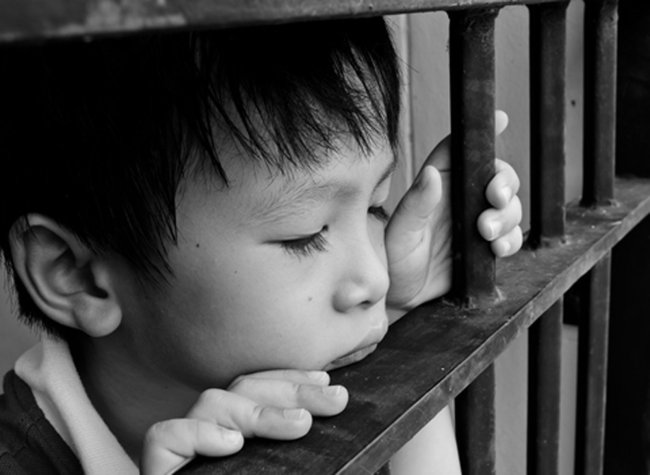
Some parents choose to conceal their own anxieties and issues from their children, attempting to maintain a façade of normalcy. However, children are perceptive and can pick up on anxiety cues through verbal and nonverbal communication, parental mood swings, or even by witnessing family events. Consequently, children may develop anxiety or panic attacks in response.
In cases where parents argue or undermine each other, the impact on children can be profound. Witnessing parental discord can lead to feelings of fear, abandonment, and emotional distress in children. For them, family represents security and stability, and any disruption to this dynamic can trigger anxiety.
It’s crucial for parents to recognize that children absorb stress and trauma experienced by their parents, even if it’s not overtly expressed. Children may internalize anxieties stemming from family dynamics, leading to feelings of insecurity and fear of abandonment. Even seemingly minor issues for adults can significantly impact children, causing deep-seated insecurities and anxieties.
Children often blame themselves for parental conflicts or separations, harboring feelings of guilt and abandonment. They struggle to emotionally connect with the single parent they live with while maintaining a make-believe relationship with the absent parent, further exacerbating their anxiety.
Parental disputes can shatter a child’s sense of security, eroding trust and self-confidence. Despite assumptions that children are resilient and adaptable, prolonged exposure to anxiety-inducing environments can have lasting effects on their mental well-being.
During counseling sessions, we’ve observed various symptoms of anxiety in children:
- Dissociation: Children may mentally disconnect from family stressors, creating imaginary worlds to cope with emotional pain. For instance, Riya, aged 6, began conversing with her doll as a means of escape from her parents’ constant arguments.
- Behavioral Issues: Anxiety may manifest as behavioral problems like hyperactivity, impulsiveness, and inattentiveness, as seen in Monty, aged 9, who exhibits symptoms of ADHD due to parental neglect.
- Depression: Chronic emotional outbursts within the family can lead to mood disorders in children, as observed in Deepa, aged 10, who was diagnosed with depression.
- Gastrointestinal Issues: Anxiety can manifest physically, such as in Meenu, aged 5, who experiences abdominal discomfort and constipation due to parental stress.
- Validation Seeking: Children may lack self-confidence and constantly seek validation from parents or caregivers, as seen in Divya, aged 11, who struggles to express herself confidently.
It’s essential for parents and educators to recognize these symptoms and provide appropriate support. Seeking professional help from psychologists for evaluation and counseling can be beneficial for both children and parents.
By acknowledging that children can be affected by parental anxieties and providing a supportive environment for open communication, parents can help alleviate children’s anxieties and promote emotional well-being. Encouraging children to express their fears and concerns openly and reassuring them of parental support can foster resilience and coping mechanisms to navigate familial stressors.











 Ashu (name changed) could not do anything in life ever since he had been diagnosed of schizophrenia by the psychiatrist. He had been prescribed psychotic medicines by different psychiatrist doctors wherever his family had taken him to them .Yet nothing helped. His fears and phobias had worsened with time. The voices in his head continued disturbing him. His logical cognitive ability had been completely distorted and for him all the delusions had become the real images and characters.
 Similarly Sheena (name changed) continued with the fear and phobia of persecution at the hands of a person who had long moved out of her life five years ago. Sheena had been diagnosed of delusional disorder (a psychotic disorder).Her life had become completely miserable as she would often get lost into her phobia and would not be able to conduct her normal day to day routine life.
 Soon a very significant improvement could be noticed in certain negative symptoms, (e.g., negativity about self and family, sense of doom, lack of interest in surroundings and /lack of drive) started yielding to positive thoughts on all these issues .The clients did respond well as we noticed Ashu and Sheena both had begun looking at the positive aspects of their life. Their sense of appreciation for some aspects of their lives could be felt in their daily interaction with us. We could see their interest reviving in their day to day life too exhibiting positive symptoms.
 “Perceptive Meditation enables you live in and with your breath taking your mind away from your anxiety stress and worries of life .It empowers you to live in the moment with complete mindfulness of your soul ,body and mind “. Ramneek Kapoor.
 Mindful Perceptive Meditation on Psychic Centres is a very powerful, evidence-based meditation tool for enhancing emotional ,psychological and mental health.
