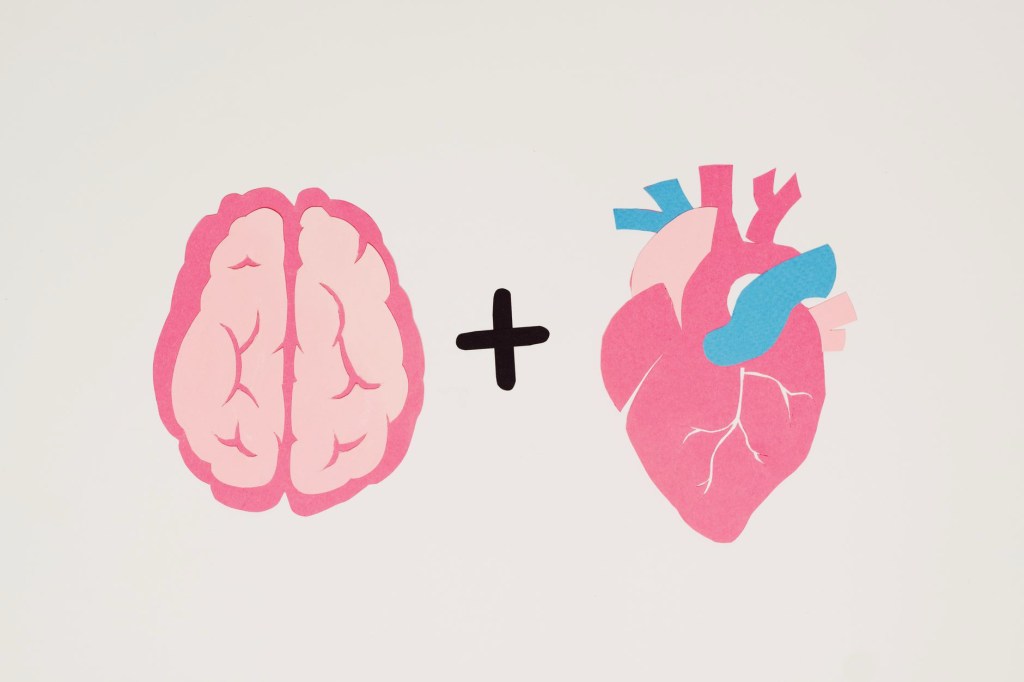
The 10-Days Concurrent Neuro-Somatic Protocol has been developed by us after a combined experience of over 50000 -75000 counselling and perceptive meditations sessions , conducted over a quarter of a century expertise .For the past twenty five years or more we have been able to help thousands of depressed ,anxious and stressed people overcome their distresses and disorders .
We now offer the same to millions of others to help then come out of their mental , emotional ,behavioural and psychological problems in a more disciplined sustained and comprehensive manner . Daily Schedule Commitment: 60 Minutes Total (3 x 20-Minute Modules) Days 1 to 10: The Daily Tri-Phasic Session of an hour both offline in person or online through video calling sessions.
Every Day , the client completes three distinct 20-minute interventions to address the nervous system as a whole system: Module 1: Cerebrospinal Stimulation Therapy (20 Minutes)Mechanism:Fluid dynamics and central nervous system structural regulation. Daily Target: Calming autonomic arousal, establishing absolute physical safety, and preparing the spinal axis to receive neural signals. Module 2: Gut and Mind Therapy (20 Minutes)Mechanism: Central nervous system regulation and vagal nerve processing. Daily Target: Releasing visceral emotional blockages, balancing microbiome-to-brain signals, and stabilizing the chemical foundations of mood. Module 3: Perceptive Meditation & Prefrontal Cortex Connects (20 Minutes Mechanisms ) : Synaptic activation and cortical network integration. Daily Target: Actively re-establishing suppressed neurons and synapses. Removing barriers between the prefrontal cortex and the wider cortex to instantly correct how current real-world situations are perceived and processed. Day 10 : The Post-Protocol Clinical Review and further action plan.
All those who are really keen on helping themselves in a more positive and planned way to treat themselves out of their disorders and lead a better peaceful daily life can connect with us at
Much has been written by thinkers, philosophers, scientists, sages and preachers on the subject of mind and heart. There has been endless research on the issue of restless mind and spirit of human beings, yet the peace still eludes many of us. The world still suffers from many diseases of the mind and heart. Words like depression, anxiety, stress and phobic disorder, mental disorder, behavioral disorder are being used like the common place flu and colds happening to ordinary people. The medical world abounds by all kinds of medicines and treatments, offering little respite to those who suffer. People continue to suffer .Their restless minds and souls are constantly being tormented.
Through the columns of these pages we will try to understand how do we establish better understanding of these matters of mind and heart to reach emotional stability in our lives and keep our lives balanced.
We humans are connected with the organic world with the most developed brain and thinking powers. In the organic world three kinds of living beings exist i.e., those that have the instinctual survival bereft of any emotions, those that survive only on the basis of their physical strength and display only momentary emotional awareness .
Humans have been bestowed with the powers that can generate emotions in our system involuntarily and activate our thinking system whether we like it or not.
We also have a fully developed mental perception, which can take cognizance of the matter and connect it to the events and consequences.
We have a fully developed memory. We think, we imagine, we connect and we activate. Much as man would like to become thoughtless at times, sleep without any connection to the real world, the brain continues working either voluntarily but mostly involuntarily.
The involuntary emotional system activates our mind all the time. It forces the mind to imagine, to create and to dream. The dreams motivate us to plan which are executed by us to realize all those that we dreamt of. But in the law of our land where we have the thought, the power to dream and the power to reflect, we do have the situations that cause conflict and pain. For wherever there is a mind, the thought, the power to reflect, the analytical skill, there we have the conflict, the contradiction. No mental activity can ever be without the contradictory and opposite situation.
Wherever we have the mind, we have the pain and we have the misery.
Man however does not want to suffer. He wants to always be in comfort, in happiness and in the enjoyment of a happy life. This is a natural phenomenon .All living beings look for a life full of comforts. The inanimate only do not know the difference between the comfort and discomfort.
The living beings who do not have a mind suffer only for a short while. Their sense of discomfort is only short lived, is unexpressed on account of lack of emotions . They do not consign their discomfort to their memory bank. Nor do they draw upon their memory bank to reflect and compare their current and past discomfort. But man being a thinking organic sensitive emotional mind feels, expresses, analyses ,compares and consigns all comforts and discomforts to his memory bank, thus in a way being always under the load of misery .
Can the mind be free from worries and miseries?
We are all part of the larger organic world in which we are all living beings like millions of other kinds of living being inhabiting the solar system. Our world in fact as compared to the world of other living beings of the universe is too small. We are very miniscule in numbers, barely a few trillions all over the globe.
The other planets must be peopled with many more living beings which the science is continuously researching into. Whether those living beings too have similar emotions, thoughts, mind and heart developed like us, only the research will find out.
But humans of our dear earth are endowed with a developed mental faculty. we all think .Thinking ,reflecting is an activity of the mind. We remember, we consign our thoughts to memory bank. We imagine. We create thoughts. Creation of thoughts and imagination is a mental exercise. We plan larger things for our life by the strength of our imagination .We dream of things that are larger than our life. We aspire for making these dreams come true. we do realize some of these dreams, imagination, and aspirations yet many other remain out of reach .
In order to understand the malady that has befallen the modern mind we will have to know the functioning of the mind in the modern age .the modern times are the reflectors of the cerebral psychological problems. Every individual is involved fully into the mental day to day stresses of life.
The involvement of the human mind into the cerebral problems becomes the major detriment to the peace and happiness of the human intellect. Every human being wants to become free of the mental stress that he is suffering from. We need to understand as to what mind is, in order to get liberated from the stresses and problems of the mind.
Without really looking into the functioning of the mind it is simply irrelevant to solve the problems that exist in our psyche today.
Do you feel sad stressed and down sometimes, it could be natural to have a low state of mind for day or two but if it persists and low mood lingers on for more than a week or two it could be depression. Major depression is an episode of sadness or apathy along with other symptoms that stay with you at least two weeks and interrupt your daily activities. Depression does not indicate weakness or that you are a negative personality. all kinds of depression indicate some a major health problem and needs to be treated medically . Depression Symptoms: Emotional
The primary symptoms of depression are a low and sad and/or loss of interest in day to day activities of your life. daily routine tasks that were once pleasurable appear much burdensome now . a sense of guilt or worthlessness prevails on the mind causing a lack of hope, and recurring thoughts of death or suicide can often trouble . Depression Symptoms: Physical
Depression is sometimes linked to physical symptoms. These include:
• tiredness, low energy and fatigue .
• sleeping very late in the night, early-morning waking and Insomnia.
• Excessive sleep for long hours
• Persistent aches or pains, headaches, cramps, or digestive problems that do not ease even with treatment
Depression can make other health problems feel worse, particularly chronic pain. Key brain chemicals influence both mood and pain. Treating depression has been shown to improve co-existing illnesses. Depression Symptom:
Changes in appetite , sudden changes in the body weight are symptoms of depression. Increased appetite, or loss of appetite .sudden and serious unexplained weight loss or weight gain.
Serious effects on daily routine of life.
Depression can cause loss of careers, and strain relationships . Nothing seems good. there is a complete loss of interest in pleasure activities, including sex. In severe cases, depression can become life-threatening. Suicide ideation can be sign of warning
Suicide ideation is common amongst the depressed. they often indulge in talking about death or suicide. they can get aggressive and threaten to hurt people. This can be serious . You can immediately call 09179383554 to speak to us If you ever think of or idealise suicide . We will help you overcome such negativity.
Doctors link the cause of depression to altered brain structure and chemical function. they are of the opinion that ,”Brain circuits that regulate mood may work less efficiently during depression.although it has not been conclusively proven in any validated research. yet the Medicines that treat depression are prescribed with the belief to improve communication between neurons , making them function normally. Experts also think that while traumas caused by the stress of life can trigger depression if and when one is biologically prone and vulnerable to develop the disorder. depression can also be caused by long term chronic disease , lack of vitamins ,some of the medications, alcohol or substance abuse, thyroid, PCOS, hormonal changes, or even the season. Diagnosing Depression:There is no established lab test for depression. There are a few tests developed by psychologists , make an accurate diagnosis, where the psychologists/ doctors analyse a patient’s description of the symptoms over a period of past two to six months . These tests will refer to your medical history, your mood history, and discuss behaviors, and daily activities which will help reveal the severity and type of depression . The test can also reveal anxiety and stress to find out the most effective treatment for depression. Therapy for Depression
It has been observed that various kind of talk therapy can fight mild to moderate depression. Cognitive behavioral therapy helps analyse and change thoughts and behaviors that contribute to depression. Interpersonal therapy identifies how your relationships impact your mood. Psychodynamic psychotherapy helps people understand how their behavior and mood are affected by unresolved issues and unconscious feelings. Some patients find a few months of therapy are all they need, while others continue long term.
Medications for Depression
Good follow-up with your doctor is importance. If the first medication tried doesn’t help, there’s a good chance another will. The combination of talk therapy and medication appears particularly effective.
The Role of Social Support
Because loneliness goes hand-in-hand with depression, developing a social support network can be an important part of treatment. This may include joining a support group, finding an online support community, or making a genuine effort to see friends and family more often. Even joining a book club or taking classes at your gym can help you connect with people on a regular basis.
Electroconvulsive Therapy (ECT)
Another option for patients with treatment-resistant or severe melancholic depression is electroconvulsive therapy (ECT). This treatment uses electric charges to create a controlled seizure. Patients are not conscious for the procedure. ECT helps 80% to 90% of patients who receive it, giving new hope to those who don’t improve with medication.
Preksha meditation :The Perceptive Breathing Technique Helps Fight Major Depression
Preksha meditation -The Perceptive Breathing technique can bring down the stress hormones in the central nervous system.
Preksha meditation -The Perceptive breathing exercises help alleviate severe depression, as has been proved by the treatment of many patients by us who have long been under the treatment of medication administering medicines .
Most of our patients , had depression that had not responded to medication even after a long treatment .The beneficial treatment under Preksha meditation -shwas preksha -The Perceptive Breathing Technique conducted on a large group of patients , by us in our clinic reveal that :“a large number of patients not responding to the treatment of antidepressants and SSRIs , find the new technique of controlled breathing – under Preksha Meditation shwas preksha much more helpful -The Perceptive Breathing technique had in reality worked best for each person to treat their severe and chronic depression. Preksha meditation -The Perceptive Breathing Technique comes out as the short term but long lasting promising, lower-cost therapy and a , non-drug approach for patients suffering from severe depression. .”
Preksha meditation -The Perceptive Breathing Technique can be learnt over a series of sitting sessions of Preksha meditation -The Perceptive Breathing Technique in our clinic over a period of two to three months and the disease can be eliminated completely.
The technique involves a series of perceptive rhythmic breathing exercises designed to put the mind and body of the affected in a tranquil, calm , peaceful , purposeful and meditative state.
How can we help you: our regular daily sessions of preksha meditation , Kayotsarga ,counseling sessions/mental exercises at Mansik Pramarsh is a specialist conducted program for managing to overcome depression . Hundreds have benefited, it is your turn now. come and join .Call 09179383554 or email : mansikpramarsh@gmail.com.
Neena felt desolate and lonely, and she suffered a sense of disorientation as she had been denied the job she was so confident of getting.
Rueben had completely given up after he had been passed over for a promotion, with his employer company preferring another candidate much junior to him in experience.
Tamanna felt numb and low after her boyfriend Nahar dropped her and opted for another relationship.
All these people have been denied and rejected from doing whatever they had expected or wanted to do. Some of them had worked for and invested years in reaching where they wanted to be in their careers or relationships.
Many such rejections have been witnessed in recent times, where people had to leave their homes and friends abroad after being denied extensions of visas, or students had to shelve their study plans for similar reasons.
Getting rejected breaks morale. It hurts to the core too. Whether it’s being rejected by a suitor, denial of a much-awaited promotion, or a rejected job interview, rejection is not always taken in an acceptable manner. Even though people are sometimes apprehensive of hearing a “no,” they do not want to hear it for fear of not being approved.
For some people, the fear of hearing “no” becomes so strong that it stops them from taking risks or asking for what they want. Rejection sensitivity can deeply affect daily life, leading to anger, irritation, financial stress, social stress, and often much more than what is stated above.
With so many layoffs, upheavals, and shelving of long-term plans, the hopes and confidence of many are getting derailed.
Let’s understand how we can deal with rejections and the shattering of dreams and expectations, and make rejections less hurtful and more introspective in an accepting way to help rebuild mental and emotional strength and move forward. It sounds easy, but it is not. That’s where the process of “rejection therapy” plays a very positive role in rebuilding and re-emerging as a better person.
What is rejection therapy, and how does it help?
We would rather call it a reconfirming self-technique, where we undertake self-acceptance, self-expression, and a self-improvement process that we can practice on our own when needed.
In this therapy, instead of avoiding situations where we might be told “no,” we actively anticipate them without causing apprehension and anxiety.
The dynamic social environment carries a lot of grapevine, and if we pay attention to these rumours, we can expect to be either accepted, ignored, or rejected. The anticipated discomfort begins much in advance, and we can build resilience to it in smaller steps.
You start with tiny social challenges where you expect to be rejected, and then gradually build your tolerance to discomfort.
The goal isn’t to reject rejection. The exercise helps build confidence, reduce social anxiety, and not permit fear to control your life. When we realise that rejection does not mean as much as we thought—and that many people are kinder than we imagine—it becomes easier to take risks that matter.
But that doesn’t mean you should expect only negative results. Being hopeful and positive has its rewards, and that realisation brings happiness and acceptance.
Wherever you fear and anticipate rejection, acceptance can bring wonderful surprises and self-acceptance.
Gradually, the human brain learns that rejection can be worked through by looking for substitute rewards, and that rejection is not as damaging as expected.
Small steps in dealing with anticipated refusals make you more accepting and comforted. You move on in life and develop maturity and patience to bear the brunt of major challenges.
Each rejection handled with calmness and maturity builds mental and emotional strength and equips the brain with a better understanding of the subject, developing resilience and adjustment.
Rejection then becomes less painful and traumatic as you learn to manage such situations deliberately.
Rejection becomes less self-effacing and more about learning and adjustment. Your brain rewires itself to see social situations as opportunities for growth rather than threats to avoid.
If the thought of anticipated rejection or refusal causes severe anxiety, panic, or intense negative emotions, you should seek professional support from a therapist rather than trying to handle it alone. We at Alka Mansik Pramarsh Foundation can help you manage such anxiety, fear, or panic and help you move forward.
Rejection does not define your life in totality. It can be an opportunity to build a stronger future and prepare yourself to overcome the fear of rejection.
When you stop letting the possibility of hearing “no” determine your worth and start adding value to your decisions for the future, you open yourself to opportunities, connections, and experiences you might have overlooked.
You can contact us at Alka Mansik Pramarsh Foundation if you feel you need professional counselling in the following situations:
When your anxiety, fear, or stress worsens and causes distress
When you are unable to move past feelings of rejection and constantly feel sad or hopeless
When you experience panic
When you develop physical symptoms or traumatic stress linked to negative thoughts
When you find yourself becoming avoidant, overly self-critical, or nihilistic
When you feel overwhelmed or have thoughts of self-harm
When you are unable to carry out your day-to-day functioning
Please call or reach out to us at @mansikpramarsh. We would be glad to help you.
Sudhir (name changed ) has been managing his large company for years together and didn’t believe it could happen to him when he was told by this psychologist ,” you have been suffering from high functioning depression”. “ But how is this possible ,I have been managing all my affairs well and attending to all my routine .However the family could notice him being bored quite quickly and Sudhir has of late been getting tired often ,showing signs of irritation and impatience .

Often it is believed that a high functioning individual can never be depressed or even tired because he seems to always be active ,agile and his metabolism could be working at its best .But that may not be the case always .
High-functioning people always seem to be on the drive manning not only their work but also of others work too. High functioning depression is a term used to describe people who experience symptoms of depression while largely maintaining their daily responsibilities and outward appearance. Such high functioning individuals often are able to maintain high flying careers, professional relationships, and social lives, making it difficult even for themselves to recognize their own depressed state of mind .It could generally be taken as tiredness and distraction and they shrug it away ,when told that they could have a depression.
Is high -functioning depression a mental illness or an emotional disorder ?
The term high-functioning depression has not been officially recognised anywhere till now neither in ICD 10 or even in the Diagnostic and Statistical Manual of Mental Disorders (DSM-5). It is thus obviously not diagnosed by your psychiatrist or a psychologist.
It’s possible for a person to meet the diagnostic criteria for major depressive disorder (MDD) or persistent depressive disorder (PDD) while hiding many of the signs and symptoms by their being busy active and over the situation.When this is the case, they may be informally described as having high-functioning depression.
Persistent Depressive disorder is a recognised mental health condition characterized by long-term, chronic bouts of depression.
High-functioning depression and PDD share similarities, but they’re not the same. The term “high-functioning depression” describes someone who mostly keeps up appearances ,despite depressive symptoms.
If you think you or a loved one may be experiencing any form of depression and feel that because of your high functioning you are not able to decide what it is , it’s important to seek professional help. A professional psychologist or a psychiatrist can provide a proper diagnosis and recommend appropriate treatment options.
Symptoms of high functioning depression
Because it’s not an official diagnosis, high-functioning depression doesn’t have distinct symptoms. Warning signs of high-functioning depression, and of depressive disorders generally, can include:
Persistent feelings of aloofness ,sadness or emptiness
Difficulty concentrating or making decisions with clarity
Periodic low self esteem and self-doubts
Persistent fatigue or regular low energy
Erratic or altered sleep patterns (not able to sleep or oversleeping)
Change in eating habits .Appetite changes (increased or decreased)
Irritation or restlessness
Loss of interest in normally previous enjoyed activities
Feelings of giving up ,hopelessness or pessimism
Physical symptoms like headaches or digestive issues
Thoughts of self harm ,death or suicide .
The situation can be different for different people.Depression can look different for everyone, and you don’t need to hit a bout of actual sickness or depression. Now is the good time for you to seek help.
People with high-functioning depression may try to hide their symptoms from others, often out of fear of being judged or a feeling of embarrassment.Seeking help isn’t a sign of weakness. Even if coping with high-functioning depression seems possible on your own, you don’t need to manage without help. Treatment can help alleviate symptoms, improve quality of life, and prevent the condition from worsening over time.A person attempting to hide symptoms of depression may aggravate the problem hence let’s not delay further but talk now .
Feeling sad, stressed, or down occasionally is normal, but prolonged periods of low mood may indicate depression. Depression symptoms include persistent sadness, loss of interest in activities, feelings of guilt or worthlessness, changes in appetite or weight, fatigue, sleep disturbances, and physical pain. If these symptoms persist for more than a week or two, it’s essential to seek mental health support.
Depression isn’t a sign of weakness or negativity; it’s a serious mental health issue that requires medical attention. It can affect various aspects of life, including careers, relationships, and daily functioning. If you or someone you know is experiencing suicidal thoughts or behaviors, immediate intervention is crucial.
While the exact cause of depression isn’t fully understood, factors such as altered brain chemistry, trauma, chronic illness, and hormonal changes may contribute to its development. Diagnosing depression typically involves a psychological evaluation to assess symptoms and their severity.
Treatment options for depression include therapy, medication, and social support networks. Preksha meditation, specifically the Perceptive Breathing Technique has shown promise in alleviating severe depression. This non-drug approach can complement traditional treatments and help individuals manage their symptoms effectively.
At our clinic, we offer comprehensive mental health support programs tailored to individuals struggling with depression. Our services include regular cognitive behaviour sessions, perceptive meditation sessions, counseling, and mental exercises aimed at promoting emotional well-being and recovery. If you’re ready to take the first step towards healing, contact us to learn more about our programs and how we can support you on your journey to better mental health.
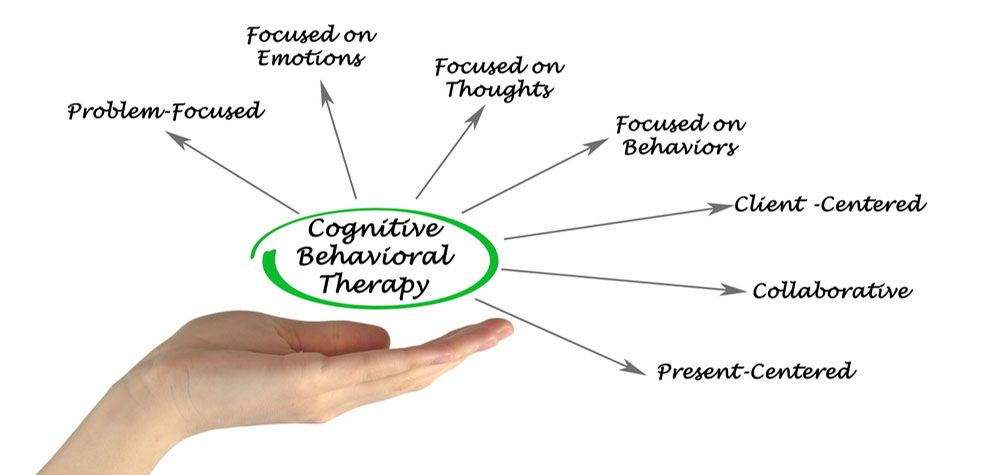
Cognitive Behavior Therapy is recommended to clients to get the necessary treatment for their negative thoughts to bring about the desired positive change .
The key principle behind CBT is that our thought patterns affect our emotional understanding of the events which, in turn, can affect behavior and subsequent interaction with the people we interact with .
CBT also is believed to make us aware of our own negative emotions influencing our thought patterns .CBT helps us analyse and understand others behaviour as elicited by our own emotional understanding of the situation.
CBT highlights how negative thoughts can bring about negative feelings and actions.Similarly how negative emotions can interpret a positive event ,in negative tones . But, if we reframe our thoughts in a more positive way, it can lead to more positive feelings and helpful behaviors.Or if we work on developing positive emotions about ourselves and situations the thoughts will become more accepting .
While conducting CBT the therapist trains the patient to recognise such negative reading by his mind and how to reinterpret the situation with a positive frame of mind. The patient can continue to use these skills so learnt, in all difficult situations and overcome depression,anxiety or other mood disorders .
Depending on the issue the patient is dealing with and the expected specific goals of the CBT , the therapist can make use of several ways to administer CBT. It will basically involve :
identifying specific problems or issues in the client’s day to day life.
Helping the client become aware of unproductive thought patterns and how they can impact his or her life
identifying negative thinking and reshaping it in a way that changes how he or she feels
learning new behaviors and putting them into practice
After speaking with the client and learning more about the issue the client wants help with, the therapist will decide on the best CBT strategies to use.
CBT involves making use of the appropriate combination of a few the following 9 strategies:
1. Cognitive restructuring or reframing
This involves taking a hard look at negative thought patterns. When we tend to over-generalize, and apprehend that the worst is about to happen , or tend to get into too much details for every thing we do we find it difficult to act. Our thoughts can prevent us from doing what we want to do and create havoc in our life.
The therapist in this situation will help us identify the negative patterns of our thoughts and inaction . He trains us as to how to reframe those thoughts so they’re more positive and productive and propel our action taking connative behaviour.
For example: “I am not valued in my office because I’m totally useless” can become “I may not be the best worker , but I’m as valuable an employee as can be and I contribute the same way as others do .”
2. Guided discovery
In guided discovery, the therapist will acquaint himself with our viewpoint. Then he will ask questions designed to challenge our beliefs and broaden our thinking.
The client might be asked to give evidence that supports clients assumptions, as well as evidence that does not.
In the process, the client will learn to see things from other perspectives, especially ones that he or she may not have considered before. This can help client choose a more helpful path.
3. Exposure therapy
Exposure therapy can be used to confront fears and phobias . The therapist will slowly expose you to the things that provoke fear or anxiety, while providing guidance on how to cope with them in the moment.This can be done in small increments. Eventually, exposure can make us feel less vulnerable and more confident in our coping abilities whenever the anxieties build up.
4. Journaling and thought records
Putting down your thoughts in writing is a very simple yet effective way of getting in touch with your emotions.One can list down repeated negative thoughts that occur frequently and disturb your homeostasis .It will certainly help to write down your positive thoughts also as would be the inclusion of new thoughts and new behavior for day to day interaction.
5. Activity scheduling and behavior activation
When you are in a negative frame of mind you tend to put off activities in fear or in anxiety.Writing schedules of such activities and visualising them before you begin practicing them can give you the confidence .With such a positive confidence it becomes easy to overcome negative emotions connected with such activities.
6. Behavioral experiments
Behavioral experiments are used for anxiety disorders that involve catastrophic imagining . The psychologist here asks you to express your apprehension as to what will happen if you perform the given task that you otherwise have been dreading to perform. Once you have (reluctantly ) completed the given task you are asked to talk about whether the apprehension came true. Over time, you may start believing that your apprehensive anxiety is not very valid as nothing that you expected to happen actually took place.
7. Meditation, Relaxation and stress reduction techniques.
Perceptive meditation, progressive muscle relaxation and positive imagery building exercises are undertaken to bring about a total positive control over mind ,body and soul to eliminate the phobias,fears anxieties and depression.
8. Role playing
Role playing can help us overcome negative thinking , apprehension and work through difficult relationship and situations. A role play out done with the help of therapist can lessen fear and can be used for:
improving problem solving skills
gaining familiarity and confidence in certain situations
practicing social skills
assertiveness training
improving communication skills
9. Successive approximation through small successes
This involves taking tasks that seem overwhelming and breaking them into smaller, more achievable steps. Each successive step builds upon the previous steps so you gain confidence as you go, bit by bit.
To know more about CBT and undertake the same ,please get in touch with us mansikpramarsh@gmail.com
Ashu (name changed) could not do anything in life ever since he had been diagnosed of schizophrenia by the psychiatrist. He had been prescribed psychotic medicines by different psychiatrist doctors wherever his family had taken him to them .Yet nothing helped. His fears and phobias had worsened with time. The voices in his head continued disturbing him. His logical cognitive ability had been completely distorted and for him all the delusions had become the real images and characters.
Similarly Sheena (name changed) continued with the fear and phobia of persecution at the hands of a person who had long moved out of her life five years ago. Sheena had been diagnosed of delusional disorder (a psychotic disorder).Her life had become completely miserable as she would often get lost into her phobia and would not be able to conduct her normal day to day routine life.

Schizophrenia is a psychiatric disorder that disables and distorts the logical thinking and cognition of the individual affected by this chronic brain disorder involving “positive” and “negative” symptoms.
Positive symptoms relate to hallucinations (hearing voices or seeing visions that aren’t real), delusions (fixed false beliefs), and disorganized thinking or speech. People suffering from active positive symptoms often respond to those symptoms in ways that are obvious to others around them (e.g., agitation, disorganization).Ashu, mentioned above had suffered from imaginative voices in his head hearing that someone is out to prosecute him and that he would be sent to prison. While these thoughts were not visible to others but he often complained of hearing voices and attributed the voices to one of the persons he had been dealing with in his family business.
Negative symptoms relate to substantial decline in the affected person’s social interactions, communication, and motivation to conduct day to day affairs. Sheena had displayed negative systems when she had been referred to us for, a “split personality.” behavior, but Schizophrenia has nothing to do with split personality. She had been suffering from delusional disorder, a kind of schizophrenic psychotic disorder.
Ashu and Sheena both exhibited resistance to antipsychotic medications and their family members were definitely at a stage when nothing could help them. Ashu did sometimes show partial improvements only to go back to from where it had all started. We noticed that Sheena’s problem continued to be more chronic and affected all aspects of her life. She did not respond to any psychotic medications being administered by the psychiatrist.
But both Sheena and Ashu found it difficult to establish and maintain relationships within the family and externally. They were unable to carry on their day to day work on account of mood swings and delusions that would take a toll of their logical thinking. Both had virtually cut themselves off socially. Their disordered thought process prevented them to understand that they were not normal in their thinking faculty like other people in their lives. Their family too found it quite an uphill and expensive task to follow the treatment handed out to them by the doctor every fortnight on account of heavy cost and also due to the patient’s refusal to take the medication.
We decided to make good use of Mindful Perceptive Meditation Therapy and Cognitive Behavior Therapy together to treat both Ashu and Sheena regularly on every alternate day basis in order to maintain regularity and without giving them a chance to revert to their pre conditioned schizophrenic way of thinking and cognition. Initially we found it difficult to communicate with the subjects as they would either not come for counseling or if they had come, they would not pay attention to what was being discussed. Gradually they started to respond to our instructions. We had begun the treatment with “Shwas Preksha ‘(Mindful Perceptive breathing exercise on the psychic centers) conducted under the watchful eye of the expert instructor. Soon we started noticing a significant improvement in both of our clients.
Thereafter we had begun with them the activities of “Mindful Perceptive Meditation” which involves both body and mind into deep meditation on the psychic centers, being fully aware of the moment and the breathe present in every living moment in its total intensity”. This continued along with the regular exercises of Kayotsarga to provide the much needed peaceful perception of the body through mind. Kayotsarga is a process of meditation that dissociates the physical body from the mind and it puts the muscles of the body to complete rest progressively, somewhat similar to progressive muscle relaxation technique.
Soon a very significant improvement could be noticed in certain negative symptoms, (e.g., negativity about self and family, sense of doom, lack of interest in surroundings and /lack of drive) started yielding to positive thoughts on all these issues .The clients did respond well as we noticed Ashu and Sheena both had begun looking at the positive aspects of their life. Their sense of appreciation for some aspects of their lives could be felt in their daily interaction with us. We could see their interest reviving in their day to day life too exhibiting positive symptoms.

These results had further been strengthened by the process of Mahaprana Dhwani {greater inner sound effects produced by the help of mouth and nose while exhaling the breath by the patients }reformed on all psychic centers during the process of deep perceptive breathing exercises and exhalation undertaken by the patients.
Mindful Perceptive Meditation and CBT has been very effectively used by us in a variety of psychiatric/psychological disorders .We had used Mindful Perceptive Meditation and positive affirmative techniques to enable the affected person correct the functioning of endocrine glands producing negative steroids and emotions and subsequent faulty thought process .The practice of CBT generates critical cognition of actual position of the situation and helps analyze all kinds of thoughts with objectivity and factual back up. The Mindful Perceptive Meditation therapy supports written affirmative statements about the self and situations which would be given as homework exercises and are reviewed later with the clients. The whole process was focused on changing the negative perceptions about self and situations to positive emotions and thoughts.
Generally a patient requires 50 to 60 sessions over a period of three to four months. But in severe cases the sessions (each running for 45 minutes to one hour) can go up to 90 to 120 sessions over a period of 6 to 9 months’ time like it had been extended in these two cases for up to 6 months.
It gives us greater satisfaction and happiness that eventually after a hard work of six months , the patients had been cured of their problems to a large extent and with the help of their family and friends, the process of rehabilitation of both of them into the family and society had been achieved.
We have been making use of Mindful Perceptive Meditation and Cognitive Behavior Therapy successfully in many other cases of depression, anxiety, stress and many other psychotic disorders and many have been restored to their normal life.
Perceptive Meditation enables you live in and with your breath taking your mind away from your anxiety stress and worries of life .It empowers you to live in the moment with complete mindfulness of your soul ,body and mind “. Ramneek Kapoor.
If you have someone in the family suffering from any such disorder,Come and discuss with us how to proceed.
You take the first step today and we help you find the much needed happiness.
Call on us @9179383554 or write to us @ mansikpramarsh@gmail.com
-Ramneek Kapoor – Family Therapist, Psychologist Counselor and Science of Living Expert.
WHAT IS PERCEPTIVE MEDITATION AND WHAT IS COGNITIVE BEHAVIOUR THERAPY (CBT)?
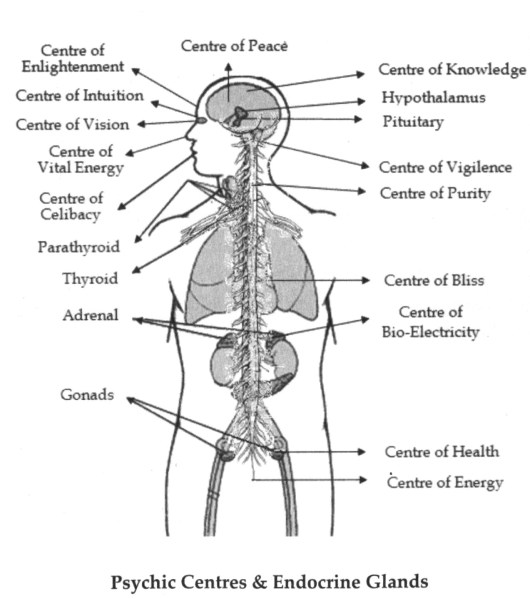
Perceptive meditation is a technique of meditation on the psychic centers of human body by which changes can be brought to the emotions,feelings,perception,attitudes, behaviors, and the total thinking process of the man. Perception on the psychic centres refer to the process of focussing and meditating on these centres of consciousness with complete absorption of mind and body and getting them connected to the endocrine glands situated on the psychic centres . The chemicals secretions this way are rectified by turning the secretion from negative to positives. Such Perceptive Meditation energises the conscious, the subconscious and the unconscious thereby benefiting the body and the mind on three different levels :
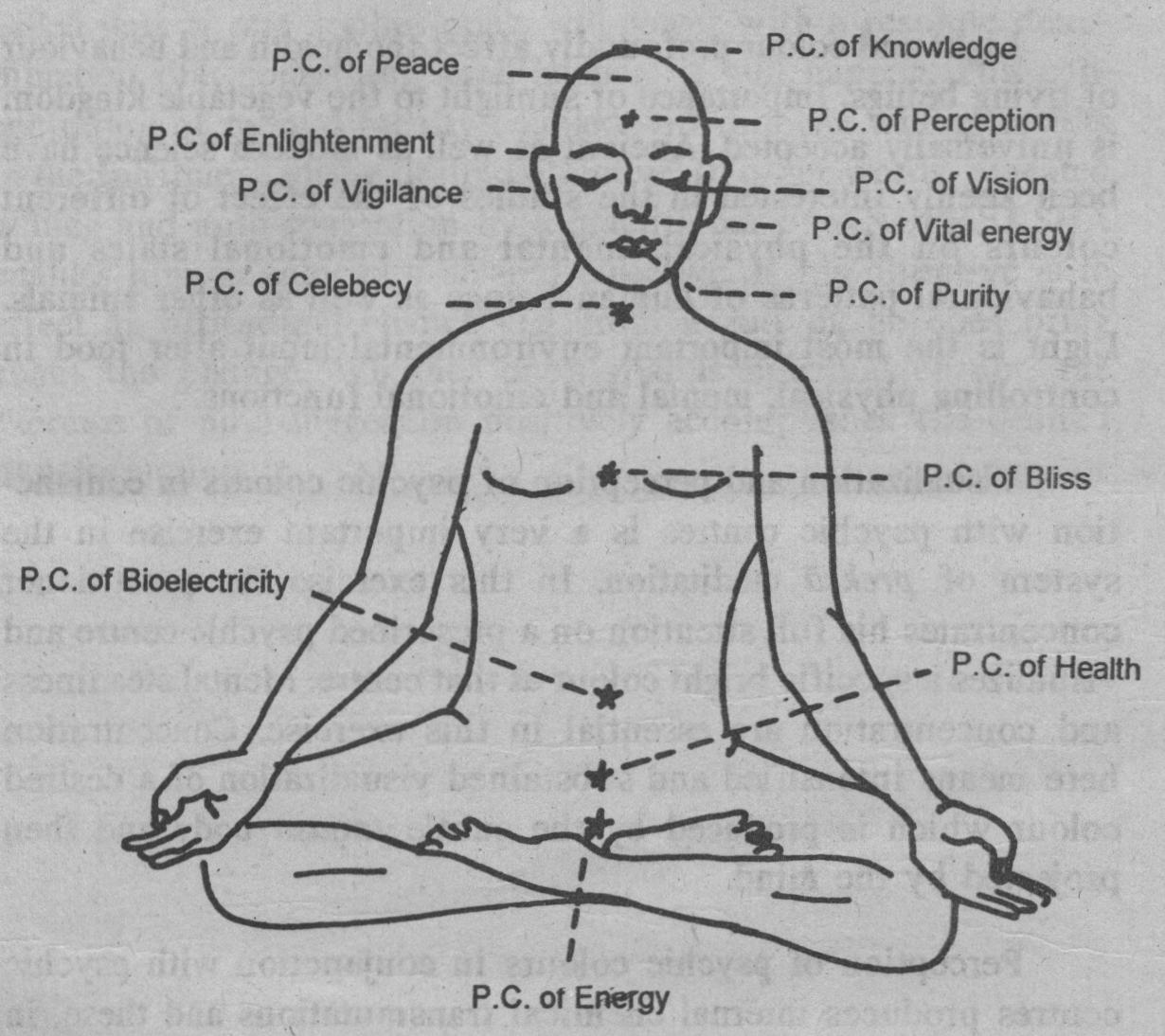
PSYCHIC CENTRES
Perceptive Meditation on the physical psychic centres rejuvenates, re- energises and revitalises the immune system of the body and the blood circulation to all vital points of reduces the impact of the negative secretions if any in the system.
Perceptive Meditation on the psychic centres and the endocrinology glands harmonises the efficient functioning of the emotion system of the mind. Such efficient functioning of the endocrine and the nervous system removes all negative thoughts and emotions and generate positive perception of the environment, of the self and of the problems in the day to day life. Thus eradicating depression, stress, anxiety, psychosomatic, neurotic and psychotic disorders without the use of medication and drugs.
Perceptive Meditation trains the mind to clean itself of the stress, the anxiety and get rid of the negative influences like depression, the low self esteem, the suicidal tendency and ideation, of many other serious mental disorders.
COGNITIVE BEHAVIOUR THERAPY
Let us understand what exactly is the Cognitive Behavior? Cognitive behavior refers to the behavior of the man that can be perceptive and understood. As per the Cambridge Dictionary cognitive means, “connected with thinking or conscious mental processes, relating to or involving the processes of thinking and reasoning. This obviously means that in simple language cognition refers to the process of thinking or of reflecting. Cognitive Behavior Therapy then should be looked as a Therapy that help people improve upon or rectify their thinking that occurs when experiencing emotional distress. The distress so felt affects the emotional state of mind and the behavior .During times of emotional upheavals and distress the mind loses touch with the cognition and becomes negative .The emotions so generated then perceive at all situations, people and events in a negative manner,causing distress all around. The thoughts under such negative emotional state of mind too continue to be negative, and so do the feelings and behavioral response to the external world often leading to melancholy, sadness, feeling of being alone, suicide ideation, psychosomatic bodily distress, eating disorders, obsessions, anxiety, extreme stress .
How does perceptive meditation help : Perceptive Meditation at this stage acts as the positive transformation factor on the inner consciousness of the human psychic centres bringing about a total change into the perception, cognition, thinking and emotions . It converts the negative emotions into the positive emotions .Perceptive Meditation controls the flow of negative energy and generate the positive energy . The negative chemicals produced by the endocrinology glands of the body are stopped and positive chemicals begin flowing, giving rise to the positive perception about the self , emotions feelings, thoughts and subsequent behaviour.Perceptive Meditation Therapy is a meditational self-perceptive, endocrinology based physio-psychotherapy to cure disorders related to emotional, physical, mental and psychological illnesses of the individuals. It is a scientifically proven powerful perceptive meditation therapy to root out the psychological, mental, emotional, social and physical disorders. The identification and elimination of the real causes of physical diseases, mental imbalances and emotional distortions through the gentle perceptive meditation on the psychic centres brings out a new awakened individual person with perfect mental, physical, emotional and social balance leading to a better society.
How does CBT Help : CBT helps in exploration of the source/ events/ experiences ,the origins of the negative thoughts and beliefs e.g. childhood, relationships, workplace bullying or a traumatic event that led to negative thinking , beliefs and caused the emotional, cognitive and behavioural distress to the affected individual. The counsellor then through exploring the evidence that disputes them and help to develop more positive outlook towards those events /emotions .The exploration and identification of the causes of distress ultimately with the help of talk therapy and other mind assuaging tools bring out positive acceptance of the self and positive behaviours .
WHAT CAN PERCEPTIVE MEDITATION AND CBT HELP WITH ?
We mentioned above that both CBT and Perceptive Mediation basically help with the formation of the more positive acceptance of self ,and thus curing the affected of depression, anxiety, stress, low self esteem or relationship problems.
There is evidence to show that Perceptive Meditation and CBT when used together under the guidance of our expert has produced spectacular results bringing people back from disorders such as Depression, Anxiety, Stress, Insomnia, Anger, Obsessive Compulsive Disorder (OCD), Post Traumatic Stress Disorder (PTSD), Eating Disorders including anorexia and bulimia, low self-esteem, childhood trauma and personality disorders.
WHAT DOES PERCEPTIVE MEDITATION AND CBT JOINT THERAPY INVOLVE?
Perceptive Meditation and CBT joint therapy involve attending 50-minute sessions 3 times a week.
In these sessions you undertake perceptive meditation on the psychic centres and endocrinology glands curing them of all negative effects and in addition goal focused positive mind building exercise therapy, with written and spoken tasks to get rid of depression,anxiety stress,fears ,negativity and form positive self perception.
All sessions are conducted in collaborative manner without the use of medicines.The subtle behaviour change happen without causing any mental trauma or stress to the client. The new cognitive ability so developed is long lasting empowering and helps the client with new more positive perception about the self, the world, and others, and enhance emotional well-being.
-Ramneek Kapoor – Family Therapist, Psychologist Counselor and Science of Living Expert.
RAMNEEK’S SCIENCE OF LIVING AND PREKSHA MEDITATION CENTRE
MOBILE 9179383554,7024441183,7224896739.LAND:07314263087
What is Perceptive Meditation and What is Cognitive Behaviour Therapy (CBT)?
Perceptive meditation is a technique of meditation on the psychic centers of human body by which changes can be brought to the emotions,feelings,perception,attitudes, behaviors, and the total thinking process of the man. Perception on the psychic centres refer to the process of focussing and meditating on these centres of consciousness with complete absorption of mind and body and getting them connected to the endocrine glands situated on the psychic centres . The chemicals secretions this way are rectified by turning the secretion from negative to positives. Such Perceptive Meditation energises the conscious, the subconscious and the unconscious thereby benefiting the body and the mind on three different levels :
PSYCHIC CENTRES
Perceptive Meditation on the physical psychic centres rejuvenates, re- energises and revitalises the immune system of the body and the blood circulation to all vital points of reduces the impact of the negative secretions if any in the system.
Perceptive Meditation on the psychic centres and the endocrinology glands harmonises the efficient functioning of the emotion system of the mind. Such efficient functioning of the endocrine and the nervous system removes all negative thoughts and emotions and generate positive perception of the environment, of the self and of the problems in the day to day life. Thus eradicating depression, stress, anxiety, psychosomatic, neurotic and psychotic disorders without the use of medication and drugs.
Perceptive Meditation trains the mind to clean itself of the stress, the anxiety and get rid of the negative influences like depression, the low self esteem, the suicidal tendency and ideation, of many other serious mental disorders.
Cognitive Behaviour Therapy
Let us understand what exactly is the Cognitive Behavior? Cognitive behavior refers to the behavior of the man that can be perceptive and understood. As per the Cambridge Dictionary cognitive means, “connected with thinking or conscious mental processes, relating to or involving the processes of thinking and reasoning. This obviously means that in simple language cognition refers to the process of thinking or of reflecting. Cognitive Behavior Therapy then should be looked as a Therapy that help people improve upon or rectify their thinking that occurs when experiencing emotional distress. The distress so felt affects the emotional state of mind and the behavior .During times of emotional upheavals and distress the mind loses touch with the cognition and becomes negative .The emotions so generated then perceive at all situations, people and events in a negative manner,causing distress all around. The thoughts under such negative emotional state of mind too continue to be negative, and so do the feelings and behavioral response to the external world often leading to melancholy, sadness, feeling of being alone, suicide ideation, psychosomatic bodily distress, eating disorders, obsessions, anxiety, extreme stress .
How does perceptive meditation help : Perceptive Meditation at this stage acts as the positive transformation factor on the inner consciousness of the human psychic centres bringing about a total change into the perception, cognition, thinking and emotions . It converts the negative emotions into the positive emotions .Perceptive Meditation controls the flow of negative energy and generate the positive energy . The negative chemicals produced by the endocrinology glands of the body are stopped and positive chemicals begin flowing, giving rise to the positive perception about the self , emotions feelings, thoughts and subsequent behaviour.Perceptive Meditation Therapy is a meditational self-perceptive, endocrinology based physio-psychotherapy to cure disorders related to emotional, physical, mental and psychological illnesses of the individuals. It is a scientifically proven powerful perceptive meditation therapy to root out the psychological, mental, emotional, social and physical disorders. The identification and elimination of the real causes of physical diseases, mental imbalances and emotional distortions through the gentle perceptive meditation on the psychic centres brings out a new awakened individual person with perfect mental, physical, emotional and social balance leading to a better society.
How does CBT Help : CBT helps in exploration of the source/ events/ experiences ,the origins of the negative thoughts and beliefs e.g. childhood, relationships, workplace bullying or a traumatic event that led to negative thinking , beliefs and caused the emotional, cognitive and behavioural distress to the affected individual. The counsellor then through exploring the evidence that disputes them and help to develop more positive outlook towards those events /emotions .The exploration and identification of the causes of distress ultimately with the help of talk therapy and other mind assuaging tools bring out positive acceptance of the self and positive behaviours .
What can Perceptive meditation and CBT help with ?
We mentioned above that both CBT and Perceptive Mediation basically help with the formation of the more positive acceptance of self ,and thus curing the affected of depression, anxiety, stress, low self esteem or relationship problems.
There is evidence to show that Perceptive Meditation and CBT when used together under the guidance of our expert has produced spectacular results bringing people back from disorders such as Depression, Anxiety, Stress, Insomnia, Anger, Obsessive Compulsive Disorder (OCD), Post Traumatic Stress Disorder (PTSD), Eating Disorders including anorexia and bulimia, low self-esteem, childhood trauma and personality disorders.
What does Perceptive Meditation and CBT joint therapy involve?
Perceptive Meditation and CBT joint therapy involve attending 50-minute sessions 3 times a week.
In these sessions you undertake perceptive meditation on the psychic centres and endocrinology glands curing them of all negative effects and in addition goal focused positive mind building exercise therapy, with written and spoken tasks to get rid of depression,anxiety stress,fears ,negativity and form positive self perception.
All sessions are conducted in collaborative manner without the use of medicines.The subtle behaviour change happen without causing any mental trauma or stress to the client. The new cognitive ability so developed is long lasting empowering and helps the client with new more positive perception about the self, the world, and others, and enhance emotional well-being.
-Ramneek Kapoor – Family Therapist, Psychologist Counselor and Science of Living Expert.
ALKA MANSIK PRAMARSH FOUNDATION & RAMNEEK’S SCIENCE OF LIVING AND PREKSHA MEDITATION CENTRE
MOBILE 9179383554,7024441183,7224896739.LAND:07314263087