Sudhir (name changed ) has been managing his large company for years together and didn’t believe it could happen to him when he was told by this psychologist ,” you have been suffering from high functioning depression”. “ But how is this possible ,I have been managing all my affairs well and attending to all my routine .However the family could notice him being bored quite quickly and Sudhir has of late been getting tired often ,showing signs of irritation and impatience .
Often it is believed that a high functioning individual can never be depressed or even tired because he seems to always be active ,agile and his metabolism could be working at its best .But that may not be the case always .
High-functioning people always seem to be on the drive manning not only their work but also of others work too. High functioning depression is a term used to describe people who experience symptoms of depression while largely maintaining their daily responsibilities and outward appearance. Such high functioning individuals often are able to maintain high flying careers, professional relationships, and social lives, making it difficult even for themselves to recognize their own depressed state of mind .It could generally be taken as tiredness and distraction and they shrug it away ,when told that they could have a depression.
Is high -functioning depression a mental illness or an emotional disorder ?
The term high-functioning depression has not been officially recognised anywhere till now neither in ICD 10 or even in the Diagnostic and Statistical Manual of Mental Disorders (DSM-5). It is thus obviously not diagnosed by your psychiatrist or a psychologist.
It’s possible for a person to meet the diagnostic criteria for major depressive disorder (MDD) or persistent depressive disorder (PDD) while hiding many of the signs and symptoms by their being busy active and over the situation.When this is the case, they may be informally described as having high-functioning depression.
Persistent Depressive disorder is a recognised mental health condition characterized by long-term, chronic bouts of depression.
High-functioning depression and PDD share similarities, but they’re not the same. The term “high-functioning depression” describes someone who mostly keeps up appearances ,despite depressive symptoms.
If you think you or a loved one may be experiencing any form of depression and feel that because of your high functioning you are not able to decide what it is , it’s important to seek professional help. A professional psychologist or a psychiatrist can provide a proper diagnosis and recommend appropriate treatment options.
Symptoms of high functioning depression
Because it’s not an official diagnosis, high-functioning depression doesn’t have distinct symptoms. Warning signs of high-functioning depression, and of depressive disorders generally, can include:
Persistent feelings of aloofness ,sadness or emptiness
Difficulty concentrating or making decisions with clarity
Periodic low self esteem and self-doubts
Persistent fatigue or regular low energy
Erratic or altered sleep patterns (not able to sleep or oversleeping)
Change in eating habits .Appetite changes (increased or decreased)
Irritation or restlessness
Loss of interest in normally previous enjoyed activities
Feelings of giving up ,hopelessness or pessimism
Physical symptoms like headaches or digestive issues
Thoughts of self harm ,death or suicide .
The situation can be different for different people.Depression can look different for everyone, and you don’t need to hit a bout of actual sickness or depression. Now is the good time for you to seek help.
People with high-functioning depression may try to hide their symptoms from others, often out of fear of being judged or a feeling of embarrassment.Seeking help isn’t a sign of weakness. Even if coping with high-functioning depression seems possible on your own, you don’t need to manage without help. Treatment can help alleviate symptoms, improve quality of life, and prevent the condition from worsening over time.A person attempting to hide symptoms of depression may aggravate the problem hence let’s not delay further but talk now .
First, let’s hear from those who have bravely faced their obsessions and compulsions and, with the help of our four-step strategic therapy, have managed to reclaim control of their lives. Doesn’t it sound surprising that individuals who suffered from OCD for years, despite being on long-term medication, have finally found relief? It may seem unbelievable to many who have struggled with OCD for years. However, this is often due to a lack of proper guidance and corrective approaches.
Let’s listen to the inspiring stories of individuals who have successfully taken control of their OCD and are now leading normal lives:
Aarti’s Journey Aarti, 22 (name changed), doesn’t even remember when she first developed the habit of compulsively washing every piece of clothing she wore outside. Each time she returned home, whether from college or the market, she would immediately head to the washroom, change her clothes, and wash them. Initially, her parents saw this as an attempt to maintain cleanliness. However, their concern grew when they noticed her repeating this behavior throughout the day, from morning until evening.
By the time Aarti came to us, she had been on strong psychiatric medications for over six years. Despite relying on anti-anxiety and SSRI pills, her OCD persisted. It wasn’t until she began our treatment program that she experienced significant relief.
Ahmad’s Story Ahmad, a businessman in Dubai, had achieved considerable success in his career. However, he couldn’t fully enjoy his accomplishments due to intrusive, obsessive thoughts. “An unknown anxiety grips my mind over trivial matters,” Ahmad explains. This overwhelming anxiety would only subside after he performed certain repetitive acts, which frightened his family.
Prakash’s Experience Prakash, an architect, had built a flourishing career and enjoyed a high social status. Yet, he struggled with obsessive thoughts that began in high school. Although medications temporarily alleviated his symptoms, the obsessive thoughts returned with greater intensity whenever he stopped the medications for more than a week.
Understanding OCD
Obsessive-compulsive disorder (OCD) is a mental and behavioral health condition characterized by unwanted, intrusive thoughts (obsessions) and repetitive behaviors (compulsions). These compulsions are performed to reduce the distress caused by obsessions, perpetuating a vicious cycle.
The cycle of OCD typically includes:
Obsession: Unwanted, intrusive thoughts or impulses.
Mental distress: Anxiety or fear triggered by these thoughts.
Compulsion: Repetitive actions performed to alleviate the distress.
Temporary relief: A short-lived sense of relief before the cycle restarts.
Common Symptoms of OCD
Obsessions
Obsessions are repetitive, intrusive thoughts that are often illogical but feel uncontrollable. These may include:
Concerns about safety or cleanliness.
Worries about relationships or social interactions.
Irrational fears about natural or unnatural phenomena.
Compulsions
Compulsions are repetitive behaviors or rituals performed to relieve the distress caused by obsessions. Common compulsions include:
Excessive cleaning or handwashing.
Repeatedly checking locks, appliances, or emails.
Counting or arranging objects.
Hoarding or obsessive texting.
Our Treatment Approach
We have developed an effective program to help clients overcome OCD and regain control of their lives:
Trans-Cranial Cerebral Spinal Stimulation Using self-projected inner sound therapy (Mahapran Dhwani), this technique targets affected brain areas. Patients undergo daily or alternate-day sessions of 45 minutes for 8–12 weeks, resulting in significant OCD remission.
Gut and Mind Correction Therapy By focusing on the gut-brain axis and ventral vagus nerve stimulation, we address the emotional and mental imbalances that trigger obsessive thoughts.
Kayotsarga and Chakra Meditation Kayotsarga exercises and chakra-focused meditation (Swas Preksha) help patients achieve emotional balance and self-regulation.
Cognitive Behavioral Therapy (CBT) and Affirmations Guided CBT sessions and positive affirmations empower patients to replace compulsive behaviors with healthier coping strategies.
Transforming Lives
Through a combination of advanced therapies, holistic practices, and expert guidance, our patients have achieved remarkable results. Many, including Aarti, Ahmad, and Prakash, are now living peaceful, medication-free lives, enjoying a sense of freedom they thought was unattainable.
Please let us know if we can help you with your OCD .
We often think that our children have better resilience to their anxiety and they become normal once we have either given them positive strokes, bought them a chocolate, a gift or diverted their attention by permitting them to play video games. But it needs to be understood that anxiety doesn’t happen to the kids like the way we experience it happening to us adults. Anxiety in children can trigger, in panic attacks, in their tantrums, in their sudden rush of energy or it may occur in the untimely defiant behaviour. We as parent just push it aside by ascribing it to their misbehaving or being in the company of wrong friends. However, children may react differently depending on the immediate situation, past incidents or future anticipations.
As psychologists counsellors and family therapists we have to deal with couples, parents and other family members of our clients who always appear to be suffering from anxiety, In most such cases their children too suffer from similar anxiety or otherwise children from families where there is a good coordination amongst parents struggle with anxiety too.
Some parents would pretend and hide their issues of anxiety and other concerns from their children. Even when kids are understanding the parents would try to act as if everything was fine. These parents would do everything they deem fit or within their reach to calm their wards and reset their nervous system through various practices of calming. Children can pick up anxiety from their parents through the verbal communication, through the body language of their parents, through their mood disorders or the kids themselves can react to any general event in the family and develop a full or partial panic attack.
We have seen many a parents fighting and undermining each other when they come to us. They fail to realise that when they behave so their children too suffer mental agony and a fear of being abandoned by either or both of their parents. Children feel abused when their parents fight. They feel cheated by their parents. Children want to live in a typical family life environment irrespective of the riches or poverty. Any thought of living without a parent causes them much mental pain and that triggers anxiety. To them, their family is their safety nest. Their family enables them to play, to study, to make friends. It helps them grow. It is the reason of their being here in the world. To them family is the only reality, rest all is just make believe. Any iota of doubt on family’s continuity causes deep anxiety.
Parents should remember that their children would always pick up the stress and trauma that their parents experience and exhibit. The parents may think that their children are safe and that children have not been exposed to any kind of stress, physical, sexual, or emotional or personality abuse. They may believe that they are offering their children a great childhood compared to parents’ own childhood or other experiences that parents had to suffer. But actual truth is far from this. Children can become anxious for many reasons triggered by the parents’ obvious circumstances or not so obvious happenings within the family. Some of these reasons could be the actual and some could be as perceived by the children. To us adults many of those reasons might not be major, but to a child they become quite significant in triggering insecurities and anxiety thereof. Should the parents happen to be separated or divorced the self-blaming mind of the children would always be devastated by the memories of the times when the family was together. They would not understand the sudden blow of isolation and the non-availability of the parental umbrella. They struggle to be emotionally available to the single parent they now live with and at the same time add on a make believe relationship with the parent they have been separated from which they continue to believe was on their account. A two edged anxiety of this kind breaks them. It shreds the very fibre of their mental balance.
Children are often left heartbroken if there happens to be a fight in their family. They tend to believe that all tension is on account of their being a cause of distress to their parents. Often they are left with a broken trust. They feel guilty with their self-confidence devastated by the memories of parents shouting at each other. They are afraid of the sudden isolation caused by such disputes amongst their parents.
We always assume that our children are understanding. They adjust to the life as they grow. That they have stronger plasticity. This could be applicable in some way but it is not the complete truth. They are not as strongly fortified against anxiety as we tend to believe. Children do build up their defence mechanisms but these defence mechanisms may prove more damaging to their growing personality during adolescence and later on in their grown up relationships. We often come across young persons and old people alike who suffer from the traumas of their growing up years in anxiety.
We give hereunder some of the symptoms that we have witnessed in children while counselling the families .
1) Dissociation: Children have exhibited dissociation by completely cutting themselves off mentally from what is happening in their families. They form their own make believe world to hide the pain. Though parents may believe that the child is being creative, when the child speaks to and play with imaginary characters. Riya 6 years is one such case. Her parents do not see each other eye to eye. Their constant bickering causes much anxiety to the child. The child is seen talking to her doll most of the times and refuses to part with the doll when she goes to school or goes to bed. Her parents eventually brought her to the counsellor when her teacher noticed the child talking to the doll she had brought into her school bag to the classroom.
Monty’s (9 years) parents had been advised by the psychologist that their child suffers from ADHD because that’s the only way he can get their attention and evoke sympathy from them. His parents both working, hardly find time to spend with their child. Their occasional outbursts cause him such a deep distress. He exhibits his anxiety by getting irritated, by indulging into hyperactivity, impulsiveness and inattentive behaviour.
Depression was diagnosed in Deepa (10 years) as a mood disorder because the chronic emotional outbursts indulged in by her grandmother and mother in their interactions caused much disturbance to the child.
2)Gastrointestinal: Meenu’s (5 years) anxiety has been cropping up in her difficult behaviour to ease up herself. She holds up her anxiety in her abdominal area. In spite of her feeling pressure on the stomach she would refuse to sit on the pot to clear her stomach. She suffers from constipation. Her bowel training has been conducted a few times. But whenever she needs to clean her bowels, she holds on to her stool and often soils her clothes. A better approach would be to ensure the child is offered a better protective environment at home free from tension and stress. We noticed she catches on to her parents’ anxiety and expresses her own in the manner described.
3) Obsessive seeking of Validation: Divya (11 years) exhibits lack of self-confidence. She most of the times struggles to express herself confidently. She would often speak in almost inaudible tone She needs to be reassured that others are paying attention to her and she must speak louder with confidence. She always needs validation from her mother.
Children themselves may not be aware of their anxiety but parents and the teachers need to read the symptoms and signs that speak of anxiety in the children.
If you can be aware that a life experience has created anxiety in their lives, you can bring attention to it and help them cope with that anxiety. You must take your child to a psychologist for evaluation and necessary counselling wherever needed. The psychologist may have to counsel the parents too.
Just being aware that your child can suffer from your chronic circumstances and catch on to anxiety should be taken as an initial step to prevention. Take them to a psychologist whenever or if they exhibit symptoms of anxiety. Whenever possible speak to them about their fears, concerns and phobias whether implied or implicit. Children should be trained and encouraged by both parents to discuss, open up and ask questions from parents should there be any stressful occasion in the family. This will help them to understand that there can be differences of opinions, arguments and even conflicts within the family but that you will always protect them and be with them to take care of them.
Mrs Sharma sounded worried when she handed over the school bag of her daughter to bus attendant, “Please tell the driver not to drive too fast. He fetches small children, They can fall off their seats “. The bus attendant just nodded her head in affirmation. Not satisfied with just a nod, Mrs Sharma moved to the front of the bus .”Please drive slow and take care of our children” she had told the driver. The driver too nodded his head. Mrs Sharma waited for the bus to move. She kick started her scooter . She paused for a moment and then turned her scooter towards the direction in which the bus had been going. She followed the bus at a safe distance and eventually having seen the bus safely getting into the school gate, she turned back . Such melodrama has been going on with Mrs Sharma for over a month now.
The matter came to the notice of the family one day when Mr Sharma had gone to the bus stop to see his daughter off to school. The attendant told him, “please tell Mrs Sharma not to follow the bus till the school gate.We are equally concerned of the safety of the school kids we fetch to the school .The school driver is a very experienced man and he drives very carefully.He has a very clean service record” .
Julie is only six years old .She studies in the neighborhood kindergarten school. She had been fine all this while and used to be very eager to go to school every morning .Last week suddenly out of the blue she complained of stomach ache and refused to go to school. Her mother had taken her to the pediatrician who found nothing wrong with the child . The child had been referred to the school counselor. A few sessions with the parents, the child and the class teacher revealed, the child has been always worried about her mother being alone at home and this worry always prevailed upon her mind.
Just as the mind of the young child Julie created the drama of her mother being unsafe at home, the same way worry can play havoc with the mind of the adults too. Worrying excessively can bring into mind series of fears , apprehensions, dark imaginations of the concerns about the safety of person and his or her near and dear one’s .
Worry is fine so long as we just reflect constructively and think about the situation or the problem to find out our next course of the action. But when the worry becomes constant fear and apprehension, it turns into the chronic emotional disturbance , with the mind being hijacked all the times into apprehended dangers which in reality may never occur. The hijacking of the mind brings with it the chronic anxiety, phobic thoughts and the loss of reason .The person so affected exhibits obsessive compulsions, generalized anxiety into every situation, panics over trivial matters , fears of getting cheated, robbed, being abandoned by the near and dear ones and of dying .Some of the affected even begin worrying about the worry that they carry in their mind.
Mrs Narwhal was so much worried of getting affected by the germs or carrying the germs back home that she would hang an extra set of clothes in her toilet in advance , which she wanted to wear the moment she would get back home from her trip outside. Every time she had come back to her house, she would first get into the bath to wash her clothes, bathe herself in order to cleanse herself of all the germs that she thought she might have brought with her from outside. She would feel completely relieved once having done this ritual .But it is obvious, such a ritual can be a great pain to other members of her family as the rule of changing into the fresh clothes after returning from outside and of washing the clothes that had been worn for going outside immediately on return from outside played havoc with the peace of the family . Any kind of advise to Mrs Narwhal to stop worrying created further problems as she would avoid such person who would advise her to not to worry .
Such worries form a part of the depression syndrome . They bring about with them , breathlessness, the faster heart beats,sweaty perspiration, choking , suppression of the mind, the feeling of the distress, ,and the lack of focus , attention and sleep .Such chronic worry needs to be treated with psychotherapy, Cognitive therapy , holistic therapy and even by way of the perceptive meditation to bring about a complete change in the thinking and perceptions of the affected individual.
-Ramneek Kapoor – Family Therapist, Psychologist Counselor and Science of Living Expert.
Powerful scientific spiritual stress free meditation package for healthy ethical mindset, free from negative worries, mental and physical disease, completely richly joyful and stress-free liberated life.
Duration: 3 Months Individual class with personal attention
Meditation relieves you from all kinds of tensions, worries and disorders. Meditating upon the breathing system, the psychic centers and the inner consciousness, results into a peaceful mind, a healthy emotional balance, a worldly wisdom and an ordered, discipline. Know well what leads you forward and holds you back, and choose the path that leads to wisdom.” -Gautama Buddha
Scientific preksha Meditation and kayotsarg is the most powerful way of gaining spiritual control over one’s body and mind. It is the ideal meditation for gaining positivity in life and obtaining freedom from never-ending, troublesome thoughts and worries, calming the disturbed mind.it is the divine way to attaining inner peace of mind and world happiness.
Mansik Pramarsh, Indore welcome you to attend scientific spiritual stress free meditation program – an intensive three-months schedule to learn the secrets of preksha meditation.
1. Learn the scientific spiritual preksha meditation techniques that you can practice life-long
2. Identify and realize the Shakti (chaitanya Kendras) within yourself
3. Adopt an ethical life-style for a healthy mindset, positive thinking, worldly successful and peaceful living
4.Enjoy life more intensely and passionately
5. Get free from all kinds of fears, phobias and stress, anxieties and depression
7. Control manage and get free from all kinds of mental and physical pain
8. Live life full of eagerness, meaning, enjoyment, gaiety fun and playfulness. take a decision today and get rid of :
• Depression
• Feeling of insecurity
• Forgetfulness
• Irritability
• Problem concentrating
• Restlessness
• Sadness
• Fatigue
Managing stress is all about taking charge: of your thoughts, emotions, schedule, and the way you deal with problems.
Do you feel sad stressed and down sometimes, it could be natural to have a low state of mind for day or two but if it persists and low mood lingers on for more than a week or two it could be depression. Major depression is an episode of sadness or apathy along with other symptoms that stay with you at least two weeks and interrupt your daily activities. Depression does not indicate weakness or that you are a negative personality. all kinds of depression indicate some a major health problem and needs to be treated medically . Depression Symptoms: Emotional
The primary symptoms of depression are a low and sad and/or loss of interest in day to day activities of your life. daily routine tasks that were once pleasurable appear much burdensome now . a sense of guilt or worthlessness prevails on the mind causing a lack of hope, and recurring thoughts of death or suicide can often trouble . Depression Symptoms: Physical
Depression is sometimes linked to physical symptoms. These include:
• tiredness, low energy and fatigue .
• sleeping very late in the night, early-morning waking and Insomnia.
• Excessive sleep for long hours
• Persistent aches or pains, headaches, cramps, or digestive problems that do not ease even with treatment
Depression can make other health problems feel worse, particularly chronic pain. Key brain chemicals influence both mood and pain. Treating depression has been shown to improve co-existing illnesses. Depression Symptom:
Changes in appetite , sudden changes in the body weight are symptoms of depression. Increased appetite, or loss of appetite .sudden and serious unexplained weight loss or weight gain.
Serious effects on daily routine of life.
Depression can cause loss of careers, and strain relationships . Nothing seems good. there is a complete loss of interest in pleasure activities, including sex. In severe cases, depression can become life-threatening. Suicide ideation can be sign of warning
Suicide ideation is common amongst the depressed. they often indulge in talking about death or suicide. they can get aggressive and threaten to hurt people. This can be serious . You can immediately call 09179383554 to speak to us If you ever think of or idealise suicide . We will help you overcome such negativity.
Doctors link the cause of depression to altered brain structure and chemical function. they are of the opinion that ,”Brain circuits that regulate mood may work less efficiently during depression.although it has not been conclusively proven in any validated research. yet the Medicines that treat depression are prescribed with the belief to improve communication between neurons , making them function normally. Experts also think that while traumas caused by the stress of life can trigger depression if and when one is biologically prone and vulnerable to develop the disorder. depression can also be caused by long term chronic disease , lack of vitamins ,some of the medications, alcohol or substance abuse, thyroid, PCOS, hormonal changes, or even the season. Diagnosing Depression:There is no established lab test for depression. There are a few tests developed by psychologists , make an accurate diagnosis, where the psychologists/ doctors analyse a patient’s description of the symptoms over a period of past two to six months . These tests will refer to your medical history, your mood history, and discuss behaviors, and daily activities which will help reveal the severity and type of depression . The test can also reveal anxiety and stress to find out the most effective treatment for depression. Therapy for Depression
It has been observed that various kind of talk therapy can fight mild to moderate depression. Cognitive behavioral therapy helps analyse and change thoughts and behaviors that contribute to depression. Interpersonal therapy identifies how your relationships impact your mood. Psychodynamic psychotherapy helps people understand how their behavior and mood are affected by unresolved issues and unconscious feelings. Some patients find a few months of therapy are all they need, while others continue long term.
Medications for Depression
Good follow-up with your doctor is importance. If the first medication tried doesn’t help, there’s a good chance another will. The combination of talk therapy and medication appears particularly effective.
The Role of Social Support
Because loneliness goes hand-in-hand with depression, developing a social support network can be an important part of treatment. This may include joining a support group, finding an online support community, or making a genuine effort to see friends and family more often. Even joining a book club or taking classes at your gym can help you connect with people on a regular basis.
Electroconvulsive Therapy (ECT)
Another option for patients with treatment-resistant or severe melancholic depression is electroconvulsive therapy (ECT). This treatment uses electric charges to create a controlled seizure. Patients are not conscious for the procedure. ECT helps 80% to 90% of patients who receive it, giving new hope to those who don’t improve with medication.
Preksha meditation :The Perceptive Breathing Technique Helps Fight Major Depression
Preksha meditation -The Perceptive Breathing technique can bring down the stress hormones in the central nervous system.
Preksha meditation -The Perceptive breathing exercises help alleviate severe depression, as has been proved by the treatment of many patients by us who have long been under the treatment of medication administering medicines .
Most of our patients , had depression that had not responded to medication even after a long treatment .The beneficial treatment under Preksha meditation -shwas preksha -The Perceptive Breathing Technique conducted on a large group of patients , by us in our clinic reveal that :“a large number of patients not responding to the treatment of antidepressants and SSRIs , find the new technique of controlled breathing – under Preksha Meditation shwas preksha much more helpful -The Perceptive Breathing technique had in reality worked best for each person to treat their severe and chronic depression. Preksha meditation -The Perceptive Breathing Technique comes out as the short term but long lasting promising, lower-cost therapy and a , non-drug approach for patients suffering from severe depression. .”
Preksha meditation -The Perceptive Breathing Technique can be learnt over a series of sitting sessions of Preksha meditation -The Perceptive Breathing Technique in our clinic over a period of two to three months and the disease can be eliminated completely.
The technique involves a series of perceptive rhythmic breathing exercises designed to put the mind and body of the affected in a tranquil, calm , peaceful , purposeful and meditative state.
How can we help you: our regular daily sessions of preksha meditation , Kayotsarga ,counseling sessions/mental exercises at Mansik Pramarsh is a specialist conducted program for managing to overcome depression . Hundreds have benefited, it is your turn now. come and join .Call 09179383554 or email : mansikpramarsh@gmail.com.
Obsessions take place involuntary. These are apparently uncontrollable thoughts, images, or impulses that take place over and over again in the mind of the person having such obsessions. The individual does not want to have such thoughts but he or she can’t stop them. Unfortunately, these obsessive thoughts cause disturbance and distraction from the normal routine works and the daily living of the individual.
Compulsions are such repeatedly performed behaviors or rituals that he or she feels compelled to act out. Such compulsions are performed in an attempt to take care of the obsessive thoughts and the performer will take to such tasks because he or she wants such obsessions to go away. For example, if someone is afraid of contamination and infection, he or she might develop obsession for cleaning everything and or not touching anything with bare hands and or may act out repeatedly washing and cleaning hands. The counseling and the guidance may provide temporary relief but it never lasts. The obsessive thoughts may come back stronger. Such compulsive behaviors end up causing anxiety themselves as the compulsive acts become more compulsive, demanding and time-consuming.
People afflicted with obsessive-compulsive disorder may fall into one of the following categories:
Washers : they are afraid of contamination. They usually have cleaning or hand-washing compulsions.
Checkers : they repeatedly check things (oven turned off, door locked, etc.) that they associate mentally with some kind of harm or danger to them or to their dearones .
Doubters and sinners : their sense of perfection make them scared of many things. They believe and are afraid that if everything isn’t perfect ,something terrible will happen or they will be punished.
Counters and arrangers. They are obsessed with, arrangement, perfect order and symmetry. They become superstitious about numbers, colors, arrangements, objects etc. .
Hoarders : they fear that something bad will happen if they throw or waste anything away. They feel compelled to hoard things that they don’t need or do not use.



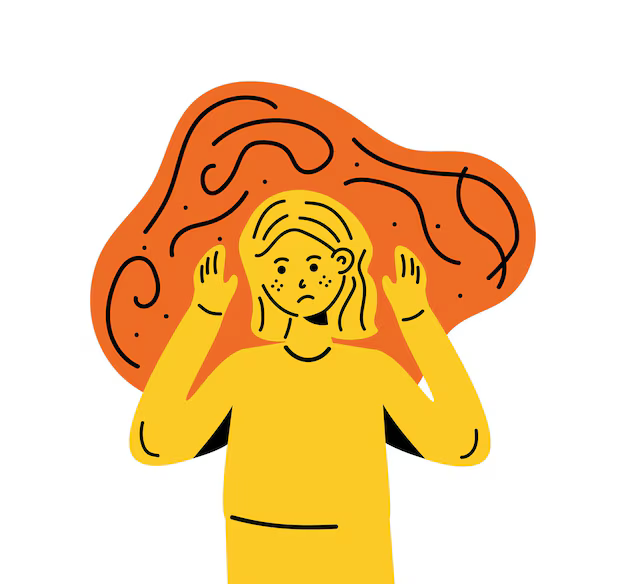








 Mrs Sharma sounded worried when she handed over the school bag of her daughter to bus attendant, “Please tell the driver not to drive too fast. He fetches small children, They can fall off their seats “. The bus attendant just nodded her head in affirmation. Not satisfied with just a nod, Mrs Sharma moved to the front of the bus .”Please drive slow and take care of our children” she had told the driver. The driver too nodded his head. Mrs Sharma waited for the bus to move. She kick started her scooter . She paused for a moment and then turned her scooter towards the direction in which the bus had been going. She followed the bus at a safe distance and eventually having seen the bus safely getting into the school gate, she turned back . Such melodrama has been going on with Mrs Sharma for over a month now.
 Julie is only six years old .She studies in the neighborhood kindergarten school. She had been fine all this while and used to be very eager to go to school every morning .Last week suddenly out of the blue she complained of stomach ache and refused to go to school. Her mother had taken her to the pediatrician who found nothing wrong with the child . The child had been referred to the school counselor. A few sessions with the parents, the child and the class teacher revealed, the child has been always worried about her mother being alone at home and this worry always prevailed upon her mind.
 Mrs Narwhal was so much worried of getting affected by the germs or carrying the germs back home that she would hang an extra set of clothes in her toilet in advance , which she wanted to wear the moment she would get back home from her trip outside. Every time she had come back to her house, she would first get into the bath to wash her clothes, bathe herself in order to cleanse herself of all the germs that she thought she might have brought with her from outside. She would feel completely relieved once having done this ritual .But it is obvious, such a ritual can be a great pain to other members of her family as the rule of changing into the fresh clothes after returning from outside and of washing the clothes that had been worn for going outside immediately on return from outside played havoc with the peace of the family . Any kind of advise to Mrs Narwhal to stop worrying created further problems as she would avoid such person who would advise her to not to worry .



 Alka Mansik Pramarsh Foundation Clinical Psychologists-Family therapists Indore 0731-4263087,9179383554