Feeds:
Posts
Comments

Posts Tagged ‘relationships’

Names in this article have been changed to protect the privacy of individuals.

Ruby looked at her husband, David, who had just returned from the office. His face was marked with frustration, and his usual smile was nowhere to be seen. Disheartened, Ruby retreated to the kitchen, uncertain whether it was the right time to talk. She had planned an enjoyable evening, but David’s sullen demeanor made her think otherwise. This seemingly small moment was loaded with unspoken emotions, setting the tone for the rest of their evening and, potentially, their relationship.

Deepak, on the other hand, grew up in a household where affection was openly expressed—his parents always exchanged hugs and kisses before leaving the house. Naturally, he continued this tradition with his partner, Sayali. However, Sayali wasn’t comfortable with public displays of affection and would often push him away. The rejection was evident on her face, leaving Deepak feeling disappointed and emotionally distanced. These everyday moments illustrate the powerful, often unintentional, ways we communicate with those we care about the most.

Photo by Pixabay on Pexels.com

The Power of Non-Verbal Communication

Communication goes far beyond the words we speak. Language, in all its forms, plays a critical role in conveying thoughts and emotions. However, what’s often overlooked is the powerful language of unspoken cues—expressions, gestures, and body language that communicate volumes without uttering a single word. It’s not just what you say; it’s how you say it, and often, what you don’t say at all.

Non-verbal communication includes facial expressions, tone of voice, body posture, gestures, and eye contact. These elements can either reinforce our spoken words or contradict them entirely. Research suggests that up to 93% of communication is non-verbal, with body language and tone accounting for the majority of the message conveyed. This means that even when we say nothing, we are still communicating our feelings, intentions, and state of mind.

Imagine a partner who scrolls through their phone or laptop while the other is speaking. The inattentiveness leads not only to frustration but also to emotional withdrawal. Over time, this behavior can create distance, resentment, and even communication breakdowns. Consistently feeling unimportant in such interactions can have lasting impacts on self-esteem and the relationship’s overall health. When partners fail to acknowledge each other’s presence, they unintentionally send a message of disinterest and disregard.

The Subtle Impact of Micro-Expressions

Micro-expressions—those fleeting, involuntary facial expressions that occur in a fraction of a second—can reveal true emotions, even when we try to hide them. For example, a brief flash of anger, sadness, or disdain can be easily detected by our subconscious, influencing how we perceive a conversation or a person’s mood. These subtle cues often dictate the emotional direction of an interaction, especially when words fail to align with what’s truly being felt.

For instance, David’s irritated expression as he walked in the door was a micro-expression that Ruby picked up on instantly. Although he hadn’t spoken a word, his face told Ruby that he was upset, making her second-guess her plans for the evening. Similarly, Sayali’s look of discomfort whenever Deepak tried to show affection was a non-verbal signal that his actions were unwelcome, which deeply affected how he perceived their relationship.

The Cost of Taking Each Other for Granted

Relationships often fall into the trap of routine, where partners begin to take each other for granted. Picture this: you come home after a long day, expecting at least a warm smile or some acknowledgment, but instead, your partner is slouched on the sofa, absorbed in the TV, barely noticing your presence. You feel dismissed, unvalued, and hurt. These small yet significant moments accumulate, shaping how we feel about each other and our relationship.

The face, often referred to as the “index of the mind,” is a powerful communicator of our internal world. From infancy, we learn to read emotions from facial expressions. A warm smile, nod of agreement, or a gentle touch can convey understanding and connection. Conversely, a frown, lack of eye contact, or a dismissive wave can leave us feeling ignored and misunderstood.

The Impact of Unspoken Expectations

Unspoken expectations are another layer of non-verbal communication that can strain relationships. When one partner expects certain behaviors—like being greeted warmly after work or receiving a kiss before bed—and those expectations aren’t met, it creates a silent yet palpable tension. Over time, unmet expectations can breed resentment and feelings of neglect.

A study published in the Journal of Marriage and Family found that couples who frequently felt misunderstood due to non-verbal miscommunications were more likely to report lower relationship satisfaction. This suggests that it’s not just the big arguments that erode intimacy but also the silent, everyday disconnects that can quietly undermine a partnership.

Parental Influence: Setting the Emotional Tone for the Household

Children learn by observing. They mimic the emotional cues they see from their parents, often carrying these learned behaviors into adulthood. As parents, we set the emotional climate of our home. Positive expressions—such as smiling, engaging warmly with our loved ones, and showing enthusiasm in daily interactions—can create a nurturing environment that fosters healthy emotional development in children.

Imagine a household where parents frequently argue with scowls and angry gestures. Even without raising their voices, children sense the hostility and internalize it as part of their emotional landscape. On the contrary, a home where parents greet each other with kindness, maintain eye contact, and show affection sets a foundation for secure attachment and positive emotional health in children.

I recall visiting my friend Dimple during our school days. Her home was always filled with laughter and warmth, thanks to her mother’s welcoming nature. Dimple absorbed this positivity, carrying it forward into her own relationships. In contrast, my friend Manishaa grew up in a home where affection was scarce, and tension was palpable. Her mother’s stern looks and unwelcoming attitude led Manishaa to retreat emotionally, impacting her ability to connect with others as an adult.

The Ripple Effect of Emotional Expression

Our expressions don’t just affect those we direct them towards; they also have a ripple effect on the broader environment. A cheerful greeting can brighten the mood of an entire household, while a frown can dampen it. In the workplace, a simple nod of recognition can make an employee feel valued, while a dismissive gesture can undermine confidence and morale.

In parenting, the impact of non-verbal cues is even more pronounced. Children are highly attuned to the emotional climate of their home and often mirror their parents’ behaviors. When parents consistently display warmth and positive body language, it cultivates a sense of safety and belonging. Conversely, repeated exposure to negative expressions can lead to anxiety, withdrawal, and emotional distress in children.

Navigating Negative Emotions: The Art of Emotional Self-Regulation

We all experience a range of emotions—anger, frustration, stress, or disappointment. These are natural responses to life’s challenges. However, the way we express these emotions, especially around loved ones, matters immensely. Unconscious negative expressions—such as rolling eyes, frowning, or using a dismissive tone—can create feelings of rejection and hurt, pushing people away instead of drawing them closer.

Learning to manage and regulate our emotions is essential for healthy relationships. Emotional self-regulation doesn’t mean suppressing feelings but rather acknowledging them and choosing a mindful response. Taking a deep breath before reacting, practicing active listening, and using gentle facial expressions can significantly alter the course of a difficult interaction.

Practical Tips for Positive Non-Verbal Communication

  1. Be Mindful of Your Facial Expressions: Our faces often reveal our emotions before we even speak. Practice maintaining a neutral or warm expression, especially during conversations with loved ones.
  2. Use Eye Contact to Show Engagement: Looking someone in the eyes when they’re speaking shows that you’re present and paying attention. Avoid looking at your phone or being distracted when someone is talking to you.
  3. Mirror Positive Body Language: Subtly mirroring your partner’s positive gestures can create a sense of connection. For instance, if they lean in while talking, do the same.
  4. Practice Active Listening with Your Whole Body: Nod occasionally, use small verbal acknowledgments like “I see” or “I understand,” and face the person when they’re speaking.
  5. Be Conscious of Your Tone and Posture: Even a comforting phrase can feel cold if delivered in a flat tone or with closed-off body language. Keep your posture open and relaxed.
  6. Acknowledge and Apologize for Negative Expressions: If you catch yourself rolling your eyes or frowning during a conversation, acknowledge it and apologize. This shows accountability and a willingness to improve.

Conclusion: Embrace the Power of Positive Expression

The way we express ourselves, both verbally and non-verbally, has a profound impact on our relationships. By being mindful of our emotional expressions and making conscious efforts to display positive body language, we can strengthen our bonds with our partners, children, and everyone around us. Let’s strive to be intentional with our gestures, creating an environment where love, respect, and understanding thrive.

Positive communication is not just about speaking the right words; it’s about embodying the attitudes and emotions that build connection. By recognizing the power of non-verbal cues and embracing their influence, we can cultivate healthier, happier relationships that stand the test of time.

Read Full Post »

Families are often envisioned as the cornerstone of love, support, and growth. However, the reality is far more nuanced, with many families grappling with the complexities of dysfunction, unresolved conflicts, and intergenerational trauma. In this blog post, we will deep-dive into the profound impacts of dysfunctional family dynamics, exploring real-life examples and therapeutic insights to understand the journey towards healing and restoring familial harmony.

Healing Dysfunctional Family Relationships

The Ripple Effects of Dysfunction:

Meet Kritika and Vijay (names changed), whose experiences epitomize the enduring repercussions of dysfunctional family environments. Their stories resonate deeply with countless individuals who have experienced familial dysfunction. Kritika and Vijay, having weathered tumultuous family dynamics in their formative years, continue to grapple with the emotional scars, even a decade into their marriage. Their unresolved traumas have cast a long shadow over their parenting journey, as their children inherit the legacy of unresolved conflict and emotional turmoil.

Dr. Kritika, a pseudonym for a real individual, provides a poignant example of the intergenerational transmission of dysfunction. Raised amidst the daily tumult of her parents’ disputes, she and her siblings bore witness to a triangular drama that played out with agonizing regularity. Lines were drawn, allegiances shifted, and familial bonds strained under the weight of unresolved grievances. 

The ripple effects of dysfunctional family dynamics extend far beyond the immediate participants, permeating the lives of subsequent generations. Individuals like Sejal, Sonia, Kamolika, Anand, and Sumit, though fictional in name, embody the collective struggles of those who have endured traumatic family events. From PTSD and anxiety to deep-seated mistrust and unresolved phobias, the psychological toll of dysfunctional family dynamics reverberates through every facet of their lives. Moreover, their own children and spouses find themselves unwitting participants in a cycle of dysfunction, perpetuating the cycle unless intervention occurs.

Understanding Triangulation:

Central to our understanding of dysfunctional family dynamics is the concept of triangulation. What begins as innocuous interactions can quickly devolve into accusations, misunderstandings, and unresolved emotions, with family members unwittingly assuming roles as perpetrators, victims, or mediators. Left unchecked, these patterns of dysfunction can become entrenched, eroding familial bonds and hindering individual growth.

Yet, amidst the turmoil, there is hope. Through innovative therapeutic approaches, families can take on healing and reconciliation, managing past trauma to embrace a future defined by mutual understanding and support.

The Path to Healing:

At our organization, we offer a framework for addressing the underlying issues that contribute to familial dysfunction, empowering you to break free from the shackles of intergenerational trauma. Central to this process is the cultivation of empathy and understanding, both within the family unit and in the broader community.

By creating a safe space for open dialogue and honest communication, we begin the healing process, allowing individuals to confront their past traumas and head towards a brighter future. Through individual and group therapy sessions, families learn to navigate conflict constructively.

For individuals like Kritika and Vijay, the journey towards healing is challenging, but ultimately important. By confronting their past traumas and embracing a future defined by mutual respect and understanding, they lay the foundation for a closer bond.

Conclusion:

Through therapeutic support, families heal and reconcile, overcoming past trauma for mutual understanding. Together, we can break the cycle of dysfunction.

Read Full Post »

Entering into marriage is a significant milestone in any couple’s life. As two individuals commit to sharing their lives together, it’s not uncommon for questions, doubts, and concerns to arise. Recognizing the importance of solidifying their foundation, many couples turn to pre-marital counseling to address these issues. However, before embarking on this journey, it’s essential for couples to understand what questions to ask their psychologist counselor.

1. What should we ask the counselor separately and as a couple?

Individual concerns and dynamics within the relationship are crucial aspects to address. Asking about the structure of counseling sessions and how they balance individual and joint discussions can help clarify expectations.

2. Does every couple need pre-marital counseling?

While it’s not a requirement for every couple, pre-marital counseling can offer invaluable insights and tools for navigating the challenges that may arise in marriage. Discussing whether it’s right for their specific situation is essential for couples to consider.

3. We’ve known each other for so long, why do we need counseling now?

Even couples with a long history may benefit from counseling. It provides an opportunity to explore aspects of the relationship that may not have been previously addressed and to ensure both partners are on the same page regarding their expectations for marriage.

4. Will counseling sessions be private, or will other couples be involved?

Understanding the format of counseling sessions is vital for couples’ comfort levels. Discussing preferences with the counselor can help tailor the experience to suit the couple’s needs.

5. Will our parents be involved in the counseling process?

While parental involvement is not typically a standard part of pre-marital counseling, some couples may choose to involve their parents in discussions about family dynamics or cultural expectations. Clarifying this with the counselor can help set boundaries and expectations.

6. How will counseling help us build a strong marital relationship?

Exploring the specific goals of counseling and the strategies the counselor employs can provide insight into how the process will benefit the couple. From communication skills to conflict resolution techniques, counseling offers practical tools for building a resilient partnership.

7. How many sessions will be necessary?

Understanding the time commitment required for counseling is essential for planning purposes. While the number of sessions can vary depending on the couple’s needs and goals, discussing a rough timeline with the counselor can help manage expectations.

Navigating the complexities of pre-marital counseling requires open communication and a willingness to address difficult questions. By engaging in this process, couples can lay the groundwork for a healthy and fulfilling marriage, equipped with the tools to overcome challenges and grow together.

Read Full Post »

Entering into a new relationship is akin to embarking on a journey filled with excitement, anticipation, and perhaps a touch of apprehension.

As individuals, we navigate through life’s roles and responsibilities, often enveloped within our self-imposed privacy within families and societal constructs. Preparing for a new relationship involves acknowledging and addressing the stress and strains inherent in our individual lives while nurturing the foundation for a fulfilling partnership.

Marital counseling emerges as a pivotal tool in this journey, offering couples a roadmap to create a relationship that harmonizes the need for personal space with the desire for intimacy. It serves as a guiding light, illuminating the path towards a bond characterized by mutual respect, understanding, and unwavering support. Through counseling, couples are encouraged to envision their relationship as two fully bloomed flowers, each exuding its unique fragrance of love and affection while coexisting in harmonious unity.

The journey of preparing for a new relationship is underpinned by a dedication to marriage—an unwavering commitment that serves as the bedrock upon which enduring love is built. This dedication transcends mere words, encompassing a myriad of qualities essential for a thriving partnership.

Love forms the cornerstone of this dedication, infusing every interaction with warmth and compassion. Humor acts as a balm, easing tensions and fostering a sense of joy in shared moments. Mutual growth becomes the guiding principle, as couples embark on a journey of self-discovery and evolution, hand in hand.

Resilience emerges as a defining trait, as partners navigate life’s inevitable challenges with unwavering strength and fortitude. Shared goals provide a common purpose, binding couples together in pursuit of a shared vision for their future. Respect for each other’s beliefs—be they religious, cultural, or personal—becomes non-negotiable, fostering an environment of acceptance and inclusion.

Communication serves as the lifeblood of the relationship, nurturing understanding and empathy between partners. Friendship blossoms alongside love, anchoring the relationship in a foundation of trust and camaraderie. And woven through it all is a profound yearning for companionship—a deep-seated desire to walk hand in hand through life’s journey, sharing its joys and sorrows as one.

In the intricate tapestry of marriage, each of these qualities acts as a thread, weaving together to form a beautiful garden of love and companionship. Yet, just as a single missing petal can cause a flower to wilt, the absence of any of these qualities can imperil the sanctity of the marital bond. It is here that the importance of pre-marital counseling becomes abundantly clear.

Pre-marital counseling serves as a nurturing force, providing couples with the tools and insights necessary to weather life’s storms and emerge stronger together. It offers a safe space for couples to explore their hopes, fears, and aspirations, laying the groundwork for open and honest communication. Through guided exercises and discussions, couples are empowered to confront potential areas of conflict, fostering a deeper understanding of each other’s needs and desires.

Moreover, pre-marital counseling equips couples with invaluable coping strategies, enabling them to navigate the inevitable challenges that arise in any relationship. Whether it be financial stresses, family dynamics, or personal differences, couples emerge from counseling with a newfound sense of resilience and unity.

Crucially, pre-marital counseling addresses the root causes of marital discord, thereby serving as a potent deterrent against the rising tide of divorce. By fostering a culture of introspection and communication, counseling empowers couples to confront issues head-on, rather than allowing them to fester and grow unchecked. In doing so, it not only strengthens individual relationships but also contributes to the collective fabric of society, reducing the prevalence of fractured families and broken homes.

In conclusion, the journey of preparing for a new relationship is one fraught with both excitement and uncertainty. Yet, through the guidance of pre-marital counseling, couples can navigate this journey with confidence and grace. By cultivating a relationship grounded in love, respect, and understanding, couples lay the foundation for a partnership that will endure the test of time.

Read Full Post »

Rhea (name changed )had been wondering as to where had she gone wrong in her decision to make her marriage a dream marriage that she had always dreamt about. She had wanted her marriage to be a mean to her happiness and love. She wanted to share a home full of marital bliss with her life partner Sam . Those two had always been looked upon as if they were a kind of made for each other couple during the six month long courtship. It wasn’t long since everyone at their reception ceremony had praised their complementing and completing each other .

Yet something went wrong immediately after they had returned from their honeymoon.She to utter dismay felt that she was not able to cope up with the demands being made on her by the family members of Sam. .She was feeling bad that she had not come upto the expectations of her mother in law. Her husband would often find her guilty of having upset his mother.Her mother in law would insult her ,in the kitchen and would not allow her to cook anything. if she had really been trained to be a housewife only things would have been different.She has been a professional programmer in an I.T. company and her husband who worked alongside her in the same organisation knew it very well.Then why this sudden demand of attending to household work .She would get into the bed room to discuss the post wedding trauma with her husband who often refused to discuss anything about his mother’s stand.

Jatin’s (name changed ) wife had left home to be with her mother for a week, has not returned now for many months as she decided to get out of the marriage because Jatin has not been taking her out to their regular pub joint after marriage as had been promised by him before they got married.

Ruby and Rohit (names changed ) had a long history of having been in love with each other from their childhood days and their courtship continued for more than twenty years before they decided to tie their knot. But after marriage everything turned tipsy turvy when Ruby found out that Rohit had been two timings even when he was into relationship with her .

Some of these young people may appear to be living next to us or people could be within us . But young marriages are not the only ones having jolts and jitters . Couples in their fifties and sixties years of age too have been having tough time in current situations as they either moot separation or move forward to a divorce.

Said Sudhir (name changed) “Our journey towards a blessed relationship of matrimony happened 19 years ago. We have two sons (17 and 12 ) . Recently I saw my wife talking to someone on social media Thereafter it has been a journey full of hardships and everyday fights .My marriage and its subsequent outcome had far-reaching effects on both my emotional and physical heath, as well as my self esteem and personal identity .I have decided to end this tortuous relationship.

Marriage is changing and evolving .it’s meaning in all strata of society ,be it young ,old , middle aged couples ,any income group is not the same any more .

We have had and we continue getting couples from any age group ,financial and milieu as you have read in some of the cases mentioned above .

A life long commitment to matrimonial relationship is a turning into a burden for some of the young couples .And some of the elderly couples feel it has been a difficult journey . They want to bring it to an end .But the decision to separate , from your partner with whom you have been planning to turn your dreams into a reality and walk hand in hand with each other ;to separate marital life to finally making the decision to proceed with a divorce and to coping with the stress and heartache is not so easy either ..

This is where we at Family Therapy India can help couples like above and many others who are facing turmoils into their relationships .

Our Family Therapy ,Relationship and marriage counselling sessions can help you change your life for the better.

You can learn how your personal choices are affecting your life, and that your happiness is up to you. You can’t always change your circumstances, or the situations you face in your life, but you can change how you act or react to those circumstances. It is up to you to decide what your future will look like, and to create your own happily ever after. Our family therapy ,Relationship and marriage counselling can help you find yourself, and let go of the feelings of anger, frustration, betrayal, and despair that are holding you back. It can teach you how to set goals and move toward a positive and successful future within your marriage, You can learn how to make permanent, lasting changes that benefit both of you and of course other members of your family.

Our Emotions Focussed Therapy and Counselling can help you regulate your emotions and learn the process of the best decision making on personal, financial, and practical aspects of your life that will develop better understanding for you and your partner to reaffirm your relationship.

We offer Family therapy , relationship and marriage Counselling sessions for families ,men, women and couples who are living with children, recently married, thinking of separation, getting a divorce, or experiencing relationship difficulties .We strongly believe in helping all those couples who are facing difficulties within their relationship at any age to understand each other’s mental and emotional state . We help them to set their communication better and overcome obstacles that are preventing them from achieving the happiness they deserve.

Get in touch with us today or write to us mansikpramarsh@gmail.com

Read Full Post »

Being in love is wonderful, isn’t it? Dating, feeling those butterflies, and longing to see each other again—it’s a special time. But as relationships grow, they change. Long-term relationships are about more than just love; they’re about managing life together.

When you’re in a long-term relationship, you’re not just looking out for yourself anymore. You’re building a life with someone else. That means dealing with all sorts of things: money, jobs, family, and more. It’s not always easy.

Communication is key. It’s how you talk about your problems and work through them together. Every argument is a chance to make your relationship stronger. Instead of fighting, try to understand each other’s point of view. That’s how you grow as a couple.

One of the hardest parts is merging your lives. You’re bringing together two different worlds, with different families, careers, and goals. It takes compromise and patience.

But even with all these challenges, it’s important not to forget about romance. As time goes on, the initial excitement might fade. You might find yourself focusing more on everyday worries than on each other. That’s normal, but it’s important to make time for romance too.

Romance doesn’t have to be grand gestures. It’s the little things that matter, like holding hands or cuddling on the couch. These small moments keep the spark alive.

Understanding each other’s needs is crucial too. Life is full of ups and downs, and you need to be there for each other through it all. When you have disagreements, listen to each other and find a solution together.

It’s also important to make each other happy. In the midst of busy lives, it’s easy to forget what really matters. But love is what makes life meaningful, so cherish it.

In the end, being in a long-term relationship is about facing life together. It’s about growing and learning as a couple. Yes, there will be tough times, but love will see you through.

In conclusion, long-term relationships are a journey. They’re about more than just love; they’re about building a life together. With communication, understanding, and a little romance, you can make your relationship stronger than ever. So cherish each other and the love you share—it’s worth it.

Read Full Post »

Members of families in their ignorance or sometimes deliberately hurt each other to cause an unending mental emotional pain. Although a good family is meant to help individual members develop themselves to their full potential but chains of miscommunications, uncalled for egos, familial fights, discords and long-drawn-out misunderstandings result into a dysfunctional family hampering not only relationships but also a complete non achievement of personal career goals by individuals.

Kritika and Vijay (names changed) have been victims of two such grossly dysfunctional families themselves in their young age prior to their marriage and have till date (even after a decade of their having been married) not been able to overcome traumas of their young days in their parental homes. Resultantly now their children suffer from traumas of dis -functioning of their own families.

Little girl doesn't want to hear arguing of parents

Dr Kritika (name changed) and her two siblings have been witnessing painful fights of their parents all through their life where a triangular drama would take place every day and night with sibling shifting allegiances and taking sides sometimes with their father, another time with mother or being at war with each other. These fights still continue even though all siblings have chosen their own paths in life, they continue abhorring each other. Kritika’ s all efforts to bring her parents and siblings together again is not being accepted by others of family resultantly their deadlock remains.

Such painful family events and interactions leave intense hurts, personality issues, traumas and social adjustment issues all through life. Sejal, Sonia, Kamolika, Anand, Sumit (fictitious names ) and many others such people have been suffering PTSD, Anxieties ,Mistrusts ,phobias ,adjustment issues after they lived through such most painful family dramas and now they suffer alongside their children and spouses too because of the torments of the past .

The indelible scars of family fights destabilise the psyches of family members, have impacted their relationships, job performance and emotional stability all through the life. We have been helping many of such families deal with such dis functioning, Traumatic experiences childhood scars, depression anxiety and stresses to enable them understand what emotions prevailed when the dis functioning occurred, and how these family members could not deal with their as well as their parents’ partners, children and their siblings’ similar experiences —in which their entire family had suffered and many of them still suffer.

Understanding Triangulation of the dis functioning.

The functioning of any family gets disturbed when the normal day to day interaction with each other turns into accusations of not fulfilling expectations. Or when communication is not understood in the right perceptive or when the words used for emotions do not convey the spirit behind but the use of those words and dialogues or when patience is short lived and angers flare up.

In any such situation, the battle field turns into the members un knowingly playing the roles of perpetrators, victims or the negotiators who often act as mediators or pacifiers. But sometimes they also end up taking sides with either one. We believe every household or a family can get into such a situation one time or the other. However, if such a situation continues or comes up recurrently is the cause for alarm. Because if not resolved at the appropriate time it can turn onto a chronic dis functioning of the family.

A new understanding and perception of dealing with those situations have helped these families deal with and each individual member transformed into a stable, loving, mature, and dependable person, attaining their best personal success after they have come over to Family Therapy India.

If your family is one such family suffering from misfunctioning and traumas of the past . It is time now to help your family overcome such disputes, ego bruises, mistrusts and angers of the past. Take control of your life and feelings, and help others understand the need for curing their feelings. Know that we can help you bring about a positive change in your filial relationships. With commitment and time and our expert counseling sessions of family therapy, healing begins steadily and gradually until the family adopts the new normal relationships.

Read Full Post »

cupl

Amrit (name changed)had not believed her eyes and ears when she just discovered that her husband has been cheating on her for so many years.She found out about him accidentally on the internet when her friend pointed out to the similarities she noticed in her new instagram friend and Amrit’s husband,both the persons were no different from each other.She was shocked to see his pictures with another woman and a kid.Indeed it was her husband only. Amrit didn’t know what to do.She had become suicidal in her thoughts but the question of her three years old child kept her away from any such action.

She had been referred to us by the same friend.”I didn’t want to come for marital counseling “,said Amrit, “but now that I am here , I want to ask you a very pertinent question, “My husband has apologized to me for hundred of times.He promised to me that he has stopped his affair.He says he is committed to becoming a new man. My family too believes that he has changed. But my heart refuses to trust him .I feel I and my child {she has a three years old daughter } would be better off without an unfaithful husband. But my moot worry is whether I can really think of getting married again . Should I consider starting my life again with somebody unknown and new? Or should I really forgive my husband and become blind to his future clandestine affairs and trust he has improved now”.

upset cpl

The pain of heartbreak, of loss of faith in her own worth and of loss of trust in her marital relationship is difficult to measure yet it is understandable. She has a lot to deal with in her life,in her marriage ,in her mental and emotional pain. To carry on the hurtful baggage, of her husband’s unfaithfulness, and a broken marriage to heal is definitely a tall order to ask for from any wife. The same is probably true in the case of Savi(name changed) whose husband unabashedly admitted to his affair when Savi had caught him red handed.

It is a very painful decision to make and decide to either sustain a marital storm of infidelity or to end and break a marriage when the hurt has been on account of complete loss of trust.

Is it possible to come back once the trust is broken? Is it possible to heal your family from the mental, emotional and social ordeal caused by infidelity of your partner? Does it make sense to just get out of the current relationship and start over with someone else?

Most victims of infidelity and marital cheating and /or other emotional abuse will prefer to believe that they’ll be safer in a new relationship .They definitely hope they will be happier with someone who doesn’t stray away from marriage or who doesn’t cheat on them or abuse them.

Yes it could be true .Such a wishful thinking is completely understandable . However, Sudha was quickly disappointed when in her case,her new husband proved to be much worse than her first partner.She had been abused by her husband of earlier marriage . It took her good five years to come out of it and get legal divorce .Her new husband who is a divorcee himself continues maintaining relationship with his earlier wife ,despite all objections from Sudha. His statement is ,”I feel responsible for her now that she has been wronged by me”.

In the case of Sudha(name changed) above, it appears that her husband really changed for his first wife where he felt responsible for her after having divorced her.But this certainly causes lots of hurt to Sudha.

I’ve seen husbands transforming themselves and changing their attitude towards marriage and family after getting the “I want a divorce” notice from their wives . This wake up call opens their eyes to the possibility of their losing the existing family. But mere words may not be enough .The couple needs to undergo marriage counseling and family therapy to ensure spouse learns the values of family ,love ,affection and fidelity.Having been awakened to the possibility of divorce and subsequent marital therapy sessions a spouse is less vulnerable to make the same mistake again and lose it all.

According to a survey by researchers at the University of Chicago, about 25 percent of married men and 17 percent of married women in the United States admit having been unfaithful sometimes or the other . Another research findings indicate the probability of cheating by partners in marriage closer to 25 percent of women and 40 to 50 percent of men.The statistics may not be much different in India given the spread of social media in all sections of society and the access to better online communication on these platforms.

I was not sure how Amrit’s husband’s promises will hold till he falls into another affair. What If Amrit gave him another chance,on my advise, what’s the likelihood that he’d make the same mistake that almost caused him to lose his family and daughter? But our persistence and the couple’s regularity and sincerity in attending all sessions of couple’s counseling did help bring about better understanding amongst the partners.Says Amrit,”your sessions have been very helpful.Even I understood where I had to make amends in my relationship and attitude towards our marriage.And as for my husband, he is a completely different man now with complete sense of loyalty love and affection towards me and our daughter “.

Yes I’m aware that this could be a rare case where a husband truly transformed himself and proved to his family that he’s changed.

crossroads cpl

But If partners were to leave her husbands or the other way around,the very concept of marriage may have to be given a new meaning by the society.It has been my belief that a family is a place where a human can be educated,reformed and brought back with right counseling and marital therapy.Not that I would recommend cheating in this sacred relationship but our counseling and family therapy can ensure that this sort of transgressions would never happen to her again.

But as I had mentioned in my one of write-ups earlier, many wives continue suffering abuse in relationship for years and years .When they wake up to seek amends to the marriage and expect their spouses to mend their ways, it becomes too late.

The best advise here could be ,”to keep an eye on your spouse and read the signs of infidelity”,but it is not the intention of this writer to make a family a detective agency.

Yes it’s true an erring spouse has made serious mistake,but it is also true that the warning of a divorce and taking the kids away with you could be a very harsh wake up call for him to mend his waywardness and improve for future. He can become a better spouse better than anyone else not known and coming as a stranger into your and your children’s life.

We will help you with our counseling and family therapy to develop fulfilling and complete relationships between the two of you .

There is a very strong possibility that the erring spouse who had been disrespecting the marital relationship will now become very keen to transform it; into true love based marriage.

divorced

In situation to the contrary here the wife will have a choice. She can let her husband go and she can get out of the marriage. Her husband most likely will marry another woman and treat her like a queen. He will leave you saddled with the kids that you had from him (like it has happened to Divya (name changed) whose husband left her high and dry with a two years old child ,after their divorce.

The question obviously is: how do you heal from your hurt and ordeal? How do you forgive? How do you get to the head-space where you’re able to give your spouse another chance? These are the questions we help you find answer to in our Family Therapy and Marriage counseling sessions .

Come and discuss with us how to proceed.

You take the first step today and find the much needed happiness by calling on us @9179383554 or write to us @ mansikpramarsh@gmail.com

-Ramneek Kapoor – Family Therapist, Psychologist Counselor and Science of Living Expert.

family therapyFamily will survive all storms with a little patience and perseverance.

Read Full Post »

WHAT IS PERCEPTIVE MEDITATION AND WHAT IS COGNITIVE BEHAVIOUR THERAPY (CBT)?

meditation-percPerceptive meditation is a technique of meditation on the psychic centers of human body by which changes can be brought to the emotions,feelings,perception,attitudes, behaviors, and the total thinking process of the man. Perception on the psychic centres  refer to the process of  focussing and meditating on these centres of consciousness with complete absorption of mind and body and getting them connected to the endocrine glands situated on the psychic centres . The chemicals secretions this way  are rectified by turning the secretion from negative to positives. Such Perceptive Meditation energises the conscious, the subconscious and the unconscious thereby benefiting the body and the mind on three different levels :
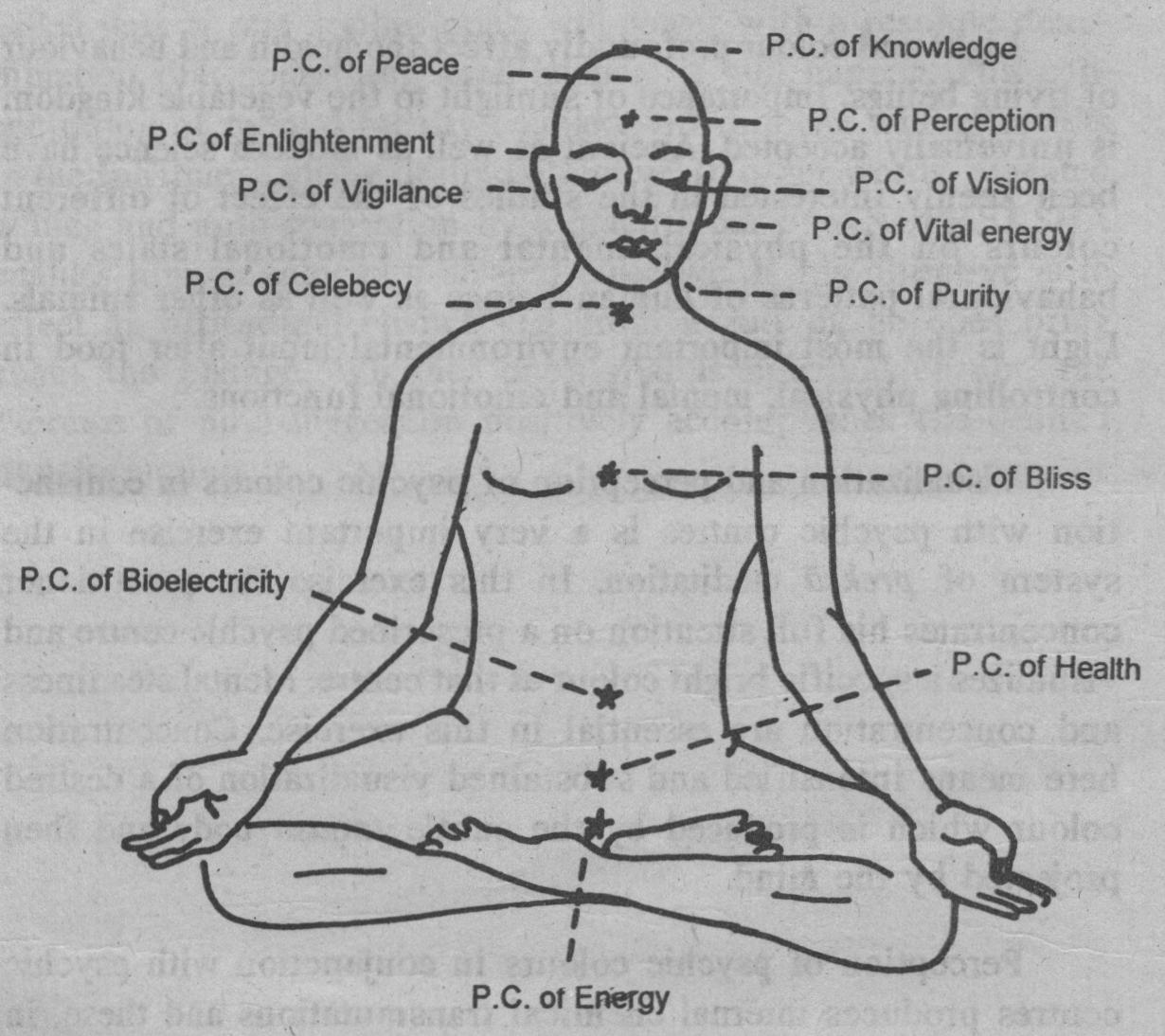
pc allPSYCHIC CENTRES

Perceptive Meditation on the physical psychic centres  rejuvenates, re- energises and revitalises the immune system of the body and the blood circulation to all vital points of reduces the impact of the negative secretions if any in the system.

Perceptive Meditation on the psychic centres and the endocrinology glands harmonises the efficient functioning of the emotion system of the mind. Such efficient functioning   of the endocrine  and the nervous system removes all negative thoughts and emotions and generate positive perception of the environment, of the self and of the problems in the day to day life. Thus eradicating depression, stress, anxiety, psychosomatic, neurotic and psychotic disorders without the use of medication and drugs.

Psychic_Centres

Perceptive Meditation trains the mind to clean itself of the stress, the anxiety and get rid of the negative influences like depression, the low self esteem, the suicidal tendency and ideation,  of many other serious mental disorders.

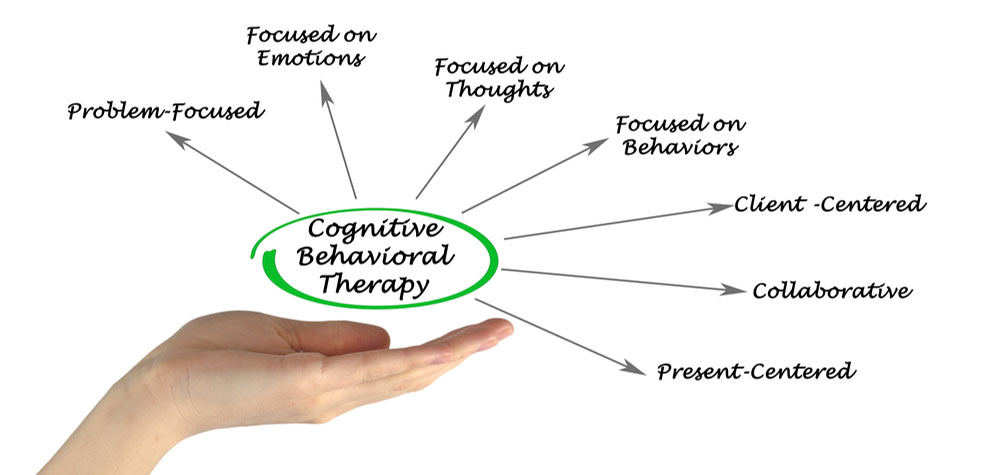
COGNITIVE BEHAVIOUR THERAPY

Cognitive-Behavioural-Therapy-Diagram-Mind-Remedies-South-Croydon-1

Let us understand what exactly is the Cognitive Behavior? Cognitive behavior refers to the behavior of the man that can be perceptive and understood. As per the Cambridge Dictionary cognitive means, “connected with thinking or conscious mental processes, relating to or involving the processes of thinking and reasoning. This obviously means that in simple language cognition refers to the process of thinking or of reflecting. Cognitive Behavior Therapy then should be looked as a Therapy that help people improve upon or rectify their thinking that occurs when experiencing emotional distress. The distress so felt affects the emotional state of mind and the behavior .During times of emotional upheavals and distress the mind loses touch with the cognition and becomes negative .The emotions so generated then perceive at all situations, people and events in a negative manner,causing distress all around. The thoughts under such negative emotional state of mind too continue to be negative, and so do the feelings and behavioral response to the external world often leading to melancholy, sadness, feeling of being alone, suicide ideation, psychosomatic bodily distress, eating disorders, obsessions, anxiety, extreme stress .

How does perceptive meditation help : Perceptive Meditation at this stage acts as the positive transformation factor on the inner consciousness of the human psychic centres bringing about a total change into the perception, cognition, thinking and emotions . It converts the negative emotions into the positive emotions .Perceptive Meditation controls the flow of negative energy and generate the positive energy . The negative chemicals produced by the endocrinology glands of the body are stopped and positive chemicals begin flowing, giving rise to the positive perception about the self , emotions feelings, thoughts and subsequent behaviour.Perceptive Meditation Therapy is a meditational self-perceptive, endocrinology based physio-psychotherapy to cure disorders related to emotional, physical, mental and psychological illnesses of the individuals. It is a scientifically proven powerful perceptive meditation therapy to root out the psychological, mental, emotional, social and physical disorders. The identification and elimination of the real causes of physical diseases, mental imbalances and emotional distortions through the gentle perceptive meditation on the psychic centres brings out a new awakened individual person with perfect mental, physical, emotional and social balance leading to a better society.

How does CBT Help : CBT helps in exploration of the source/ events/ experiences ,the origins of the negative thoughts and beliefs e.g. childhood, relationships, workplace bullying or a traumatic event that led to negative thinking , beliefs and caused the emotional, cognitive and behavioural distress to the affected individual. The counsellor then through exploring the evidence that disputes them and help to develop more positive outlook towards those events /emotions .The exploration and identification of the causes of distress ultimately with the help of talk therapy and other mind assuaging tools bring out positive acceptance of the self and positive behaviours .

WHAT CAN PERCEPTIVE MEDITATION AND CBT HELP WITH ?

We mentioned above that both CBT and Perceptive Mediation basically help with the formation of the more positive acceptance of self ,and thus curing the affected of depression, anxiety, stress, low self esteem or relationship problems.

There is evidence to show that Perceptive Meditation and CBT when used together under the guidance of our expert has produced spectacular results bringing people back from disorders such as Depression, Anxiety, Stress, Insomnia, Anger, Obsessive Compulsive Disorder (OCD), Post Traumatic Stress Disorder (PTSD), Eating Disorders including anorexia and bulimia, low self-esteem, childhood trauma and personality disorders.

WHAT DOES PERCEPTIVE MEDITATION AND CBT JOINT THERAPY INVOLVE?

Perceptive Meditation and CBT joint therapy involve attending 50-minute sessions 3 times a week.

In these sessions you undertake perceptive meditation on the psychic centres and endocrinology glands curing them of all negative effects and in addition goal focused positive mind building exercise therapy, with written and spoken tasks to get rid of depression,anxiety stress,fears ,negativity and form positive self perception.

All sessions are conducted in collaborative manner without the use of medicines.The subtle behaviour change happen without causing any mental trauma or stress to the client. The new cognitive ability so developed is long lasting empowering and helps the client with new more positive perception about the self, the world, and others, and enhance emotional well-being.

-Ramneek Kapoor – Family Therapist, Psychologist Counselor and Science of Living Expert.

meditation-percRAMNEEK’S SCIENCE OF LIVING AND PREKSHA MEDITATION CENTRE
MOBILE 9179383554,7024441183,7224896739.LAND:07314263087
FLAT 102, DEVKI MANSION,16 BAIKUNTH DHAM, INDORE ,M.P. 452018,INDIA
EMAIL: MANSIK PARAMARSH@GMAIL.COM, RAMNIK123KAPOOR@GMAIL.COM

Read Full Post »

maxresdefaultWhen Deepti (name changed) had called on us the other day , she had wanted an appointment for her husband , who she thought had been suffering from depression for quite long time . I had advised her that she should accompany her husband to the counseling session. After a few sessions with both of them together and separately with each partner ,it emerged that both of them suffered from depression.Yet they have been in a denial mode.I have seen in many cases that partners refuse to believe that what they are suspecting others suffer from could also be happening to them .They would always believe that just because the other person is complaining he or she could be depressed.Deepti had faced similar situation when she had come to me.Explained Deepti,”my husband Sameer {name changed}blames me for the problems in our marriage.He says that we have all the problems in our relationship because I am depressed.He tells everyone in my family and his family that if my wife was not undergoing depression,there would not be any issues in our marriage.But on the contrary I believe it’s always my husband who suffers from depression.He always complains about everything and blames me unnecessarily when things do not workout as per his plans”.

Family therapist during meeting with unhappy, married coupleIt is normal to have little bit difference of opinion in marital life but should each time difference arisen become the cause of a major fight then the husband wife team need to look at their status of their perceptual faculty. It is common to become little dejected after marital argument but to think of the other person being depressed definitely should be a cause of concern for the partners.It is very likely that both partners are perceiving some issues,concerns and a few problems in marriage negatively that has been giving depression to each other.Depression is made out to be a neurotic  disorder  hence people are always afraid of agreeing that they are undergoing such state of emotional upheaval.The usual response to such situation being.”I am o.k. it is the other person who seems to be suffering from depression”.

argu cplSomewhat similar is the story of Seema and Jatin (names changed) both budding doctors still in their process of setting up their household. The problem arose when a fine day Seema threatened to commit suicide on a very small whimsical issue. She had convinced herself that her husband does not pay her as much attention as he is giving to his other female colleagues in the hospital where he works . This came as a very major shock to Jatin. Jatin had nowhere ever thought about his coworkers in this manner. No amount of explanation could convince his wife and she continued to fight with him from time to time on the same subject forcing her husband to lead a solitary life away from the friends and acquaintances.What began as a depression with one of the spouses had pulled the other partner too into the same state of mind ,giving him depression. Jatin explains his situation in the following words,” My wife Seema has been idealising suicide from her college days. Our relationship dates back to seven years now. We had begun  dating in the first year of our college. In the college too she was always throwing tantrums on me.It is quite surprising that she acts in this manner only when I am around and with me only.She would often break up with me on small pretexts and remain incommunicado for days together. She  will come out of her shell on her own. She would then hardly remember that she has not been in touch with me for so many days. Everything becomes very normal for her soon , but it leaves me completely drained out emotionally.I can never discuss about such a behaviour of my wife to any one in the family or friends as she behaves normal in front of others.I do understand that she does it to gain my attention . For me she is my wife .I do give her the required love and affection. My whole life revolves around her . But I fail to understand why would she want me to be exclusively with her  only all the times. This kind of obsessive  behaviour from my wife has started telling on my professional responsibility. I can not be a doctor in such a big hospital where I am working by living in isolation and yet I do not know how to solve the problem.You being a psychologist could possibly understand the situation better and help us”.

A few sessions with the couple revealed that they both in spite of their long dating history had failed to emotionally connect with each other so far. Seema had wanted to make the emotional connection but had not understood how to proceed with it. She had always wanted to make Jatin part of her inner life. Each time she tried she sounded more pathetic and distressed and felt completely remorseful  when she did not get the desired attention and response from Jatin.

arguing coupleJatin understood her well but he too could not connect with Seema.He did not know how to make her feel loved and understood.She just wanted him to love her and care about her. But her such behaviour had put  off Jatin, leaving him cold and at times uninterested in her .Both the partners had been frustrated and didn’t know how to handle such a situation.

It has been observed by us that one partner in a marriage is depressed , the cause would always  be a marital situation  between the two spouses.  The solution to such a situation has to be found within the marriage situation only.There can be no solution by putting the onus to only one of the  members to the marriage, as the reason is not individual but a common factor is responsible for  whatever is happening to the spouses.

psychologist-helping-couple-relationship-difficulties-office-49310915In the event of either of you suffering from depression , both of you should help each other explore how your relationship dynamic could be  causing such a depression. Though you may want the other person to get individual treatment to his or her complaints by way of the intervention of a psychologist, it is in truth be your total marital situation that needs to be looked in a different perspective as different from your own point of view.  In such a situation you would do well to get your self assessed by our   professional family therapist and counselor. We will together then  work out a plan  that works to revive your marital relationship .Always remember that  you both are equal partners to the happiness and bliss of your marriage and hence let us find the way to the resolution of the differences in marriage too together with each partner respecting and trusting the other equally.

-Ramneek Kapoor – Family Therapist, Psychologist Counselor and Science of Living Expert.

family therapyFamily will survive all storms with a little patience and perseverance

Read Full Post »

Older Posts »