First, let’s hear from those who have bravely faced their obsessions and compulsions and, with the help of our four-step strategic therapy, have managed to reclaim control of their lives. Doesn’t it sound surprising that individuals who suffered from OCD for years, despite being on long-term medication, have finally found relief? It may seem unbelievable to many who have struggled with OCD for years. However, this is often due to a lack of proper guidance and corrective approaches.
Let’s listen to the inspiring stories of individuals who have successfully taken control of their OCD and are now leading normal lives:
Aarti’s Journey
Aarti, 22 (name changed), doesn’t even remember when she first developed the habit of compulsively washing every piece of clothing she wore outside. Each time she returned home, whether from college or the market, she would immediately head to the washroom, change her clothes, and wash them. Initially, her parents saw this as an attempt to maintain cleanliness. However, their concern grew when they noticed her repeating this behavior throughout the day, from morning until evening.
By the time Aarti came to us, she had been on strong psychiatric medications for over six years. Despite relying on anti-anxiety and SSRI pills, her OCD persisted. It wasn’t until she began our treatment program that she experienced significant relief.
Ahmad’s Story
Ahmad, a businessman in Dubai, had achieved considerable success in his career. However, he couldn’t fully enjoy his accomplishments due to intrusive, obsessive thoughts. “An unknown anxiety grips my mind over trivial matters,” Ahmad explains. This overwhelming anxiety would only subside after he performed certain repetitive acts, which frightened his family.
Prakash’s Experience
Prakash, an architect, had built a flourishing career and enjoyed a high social status. Yet, he struggled with obsessive thoughts that began in high school. Although medications temporarily alleviated his symptoms, the obsessive thoughts returned with greater intensity whenever he stopped the medications for more than a week.
Understanding OCD
Obsessive-compulsive disorder (OCD) is a mental and behavioral health condition characterized by unwanted, intrusive thoughts (obsessions) and repetitive behaviors (compulsions). These compulsions are performed to reduce the distress caused by obsessions, perpetuating a vicious cycle.
The cycle of OCD typically includes:
- Obsession: Unwanted, intrusive thoughts or impulses.
- Mental distress: Anxiety or fear triggered by these thoughts.
- Compulsion: Repetitive actions performed to alleviate the distress.
- Temporary relief: A short-lived sense of relief before the cycle restarts.
Common Symptoms of OCD
Obsessions
Obsessions are repetitive, intrusive thoughts that are often illogical but feel uncontrollable. These may include:
- Concerns about safety or cleanliness.
- Worries about relationships or social interactions.
- Irrational fears about natural or unnatural phenomena.
Compulsions
Compulsions are repetitive behaviors or rituals performed to relieve the distress caused by obsessions. Common compulsions include:
- Excessive cleaning or handwashing.
- Repeatedly checking locks, appliances, or emails.
- Counting or arranging objects.
- Hoarding or obsessive texting.
Our Treatment Approach
We have developed an effective program to help clients overcome OCD and regain control of their lives:
- Trans-Cranial Cerebral Spinal Stimulation
Using self-projected inner sound therapy (Mahapran Dhwani), this technique targets affected brain areas. Patients undergo daily or alternate-day sessions of 45 minutes for 8–12 weeks, resulting in significant OCD remission. - Gut and Mind Correction Therapy
By focusing on the gut-brain axis and ventral vagus nerve stimulation, we address the emotional and mental imbalances that trigger obsessive thoughts. - Kayotsarga and Chakra Meditation
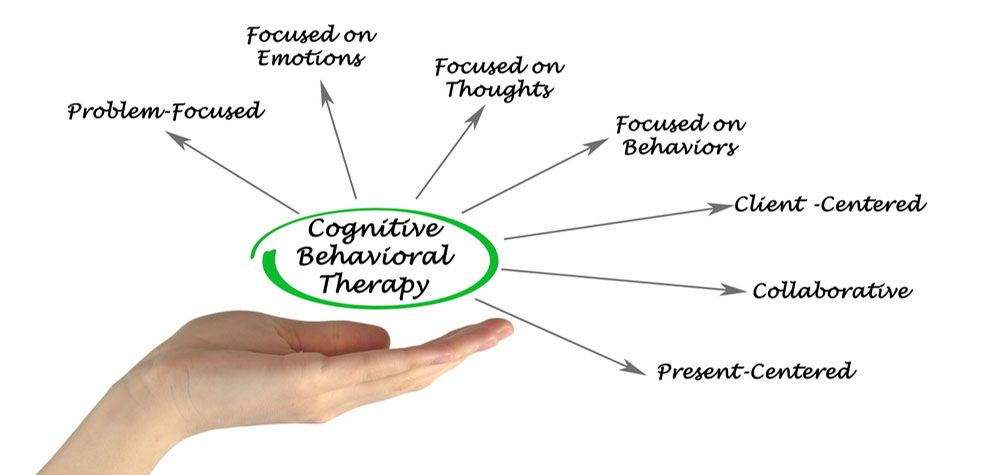
Kayotsarga exercises and chakra-focused meditation (Swas Preksha) help patients achieve emotional balance and self-regulation. - Cognitive Behavioral Therapy (CBT) and Affirmations
Guided CBT sessions and positive affirmations empower patients to replace compulsive behaviors with healthier coping strategies.
Transforming Lives
Through a combination of advanced therapies, holistic practices, and expert guidance, our patients have achieved remarkable results. Many, including Aarti, Ahmad, and Prakash, are now living peaceful, medication-free lives, enjoying a sense of freedom they thought was unattainable.
Please let us know if we can help you with your OCD .
Write to us
mansikPramarsh@gmail.com











 Sachin (name changed)a young boy of 12 and a student of grade 7th had been termed a big nuisance by his class teachers.They could hardly control his activities.He would just not sit at one place in the classroom. His indiscipline created problems for his teachers in school . Of late he had started arguing back with his tutors at home .There have been complaints of his misbehaving with other children of his class . His mother, a single parent was at her wits end,not knowing how to proceed about. She was advised by the school to consult a psychologist.
 Akshat {name changed} another child was standing outside the school Principal’s office.This was the third time in the current session when his parents have been called to the school by the authorities.Akshat had been sliding down the side railing of the second floor stairs all alone, when he had been intercepted by his class incharge.A joint evaluation by the school teachers,psychologist and psychiatrist diagnosed severe ADHD in the child. Our experience with treating ADHD children in many such cases have proved that mindful perceptive meditation can train and condition the young brain to concentrate better and hold focus even in the event of child suffering from ADHD.Such a holistic intervention and alternative treatment have benefited many and can help your child maintain self regulation, self discipline, and developing a better attention span.
 We have observed that many adults and children affected by ADHD find it very challenging to sustain their attention, and they exhibit a very hyper state of mind in situations where they are expected to remain calm and attentive.
 Mindful perceptive meditation exercise develops the inner peace of mind,establishes positive relationship with the self and brings about sense of confidence and stability of mind.It helps regulate functioning of the endocrine glands of body and creates good hormones in the body. Since mindful perceptive meditation involves perception of breathing, perception of centres of our psychic hence brings about a sea change in the mindset of the protagonists.It enhances attention span. It trains the mind in the process of self-observation , trains to take care of all kinds of negativity and develop an internal power of positivity, attention, and to develop different faculties of mind and intellect . It makes the subject better aware of his or her emotional state of mind and impulsivity.
 HOW DOES YOUR CENTER TEACH THE PRACTICE OF MINDFUL PERCEPTIVE MEDITATION ?
 HOW AND WHERE CAN MY CHILD JOIN MINDFUL PERCEPTIVE MEDITATION PROGRAM?
 Ashu (name changed) could not do anything in life ever since he had been diagnosed of schizophrenia by the psychiatrist. He had been prescribed psychotic medicines by different psychiatrist doctors wherever his family had taken him to them .Yet nothing helped. His fears and phobias had worsened with time. The voices in his head continued disturbing him. His logical cognitive ability had been completely distorted and for him all the delusions had become the real images and characters.
 Similarly Sheena (name changed) continued with the fear and phobia of persecution at the hands of a person who had long moved out of her life five years ago. Sheena had been diagnosed of delusional disorder (a psychotic disorder).Her life had become completely miserable as she would often get lost into her phobia and would not be able to conduct her normal day to day routine life.
 Soon a very significant improvement could be noticed in certain negative symptoms, (e.g., negativity about self and family, sense of doom, lack of interest in surroundings and /lack of drive) started yielding to positive thoughts on all these issues .The clients did respond well as we noticed Ashu and Sheena both had begun looking at the positive aspects of their life. Their sense of appreciation for some aspects of their lives could be felt in their daily interaction with us. We could see their interest reviving in their day to day life too exhibiting positive symptoms.



 Family will survive all storms with a little patience and perseverance.
 Perceptive meditation is a technique of meditation on the psychic centers of human body by which changes can be brought to the emotions,feelings,perception,attitudes, behaviors, and the total thinking process of the man. Perception on the psychic centres refer to the process of focussing and meditating on these centres of consciousness with complete absorption of mind and body and getting them connected to the endocrine glands situated on the psychic centres . The chemicals secretions this way are rectified by turning the secretion from negative to positives. Such Perceptive Meditation energises the conscious, the subconscious and the unconscious thereby benefiting the body and the mind on three different levels :
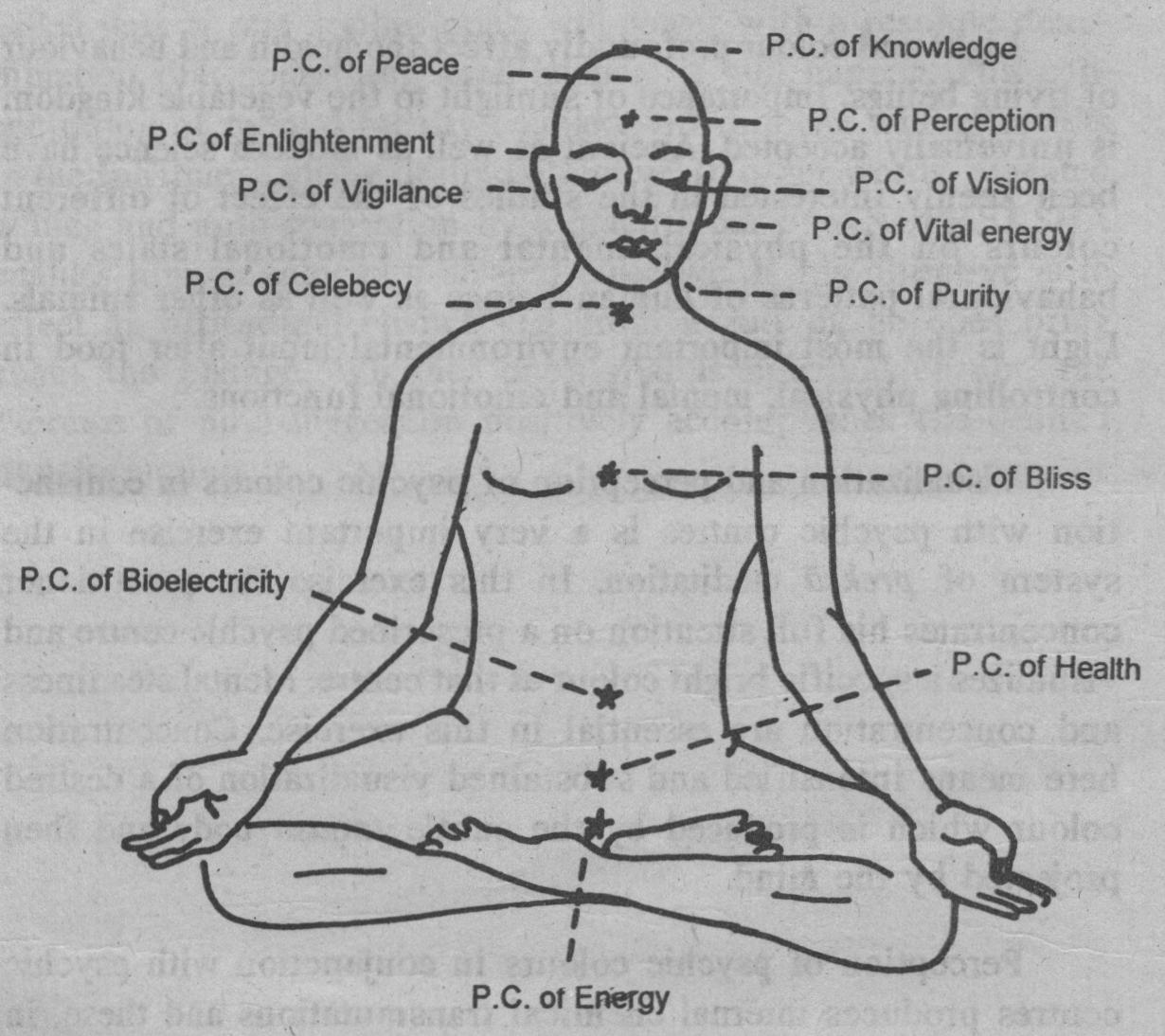 PSYCHIC CENTRES
 RAMNEEK’S SCIENCE OF LIVING AND PREKSHA MEDITATION CENTRE
 RAMNEEK’S SCIENCE OF LIVING AND PREKSHA MEDITATION CENTRE
 Alka Mansik Pramarsh Foundation Clinical Psychologists-Family therapists Indore 0731-4263087,9179383554
Do you think your spouse is depressed and want to know how to help
Posted in daily writings and musings of the psychologist, tagged anger, angry, anxiety, clinical psychologist in indore, clinicalpsychologist, counselling psychologist, depression, family counselling, family counsellor, family counsellor in indore, family dispute counselling, family fights, family systems, family therapist in indore, family therapists, family therapy, familytherapist, familytherapistin indore, lifestyle, marital counseling, marital counselling, marital counsellor, marital disputes, marital disputes counseling, maritaltherapy, marraige counselling, marriage, marriage counseling, marriage counseling in Indore, meditation, mental health, mindset, premarital counselling, premarital counsellor, premarriage counselling, premarriage fears, psy, psychiatrist, psychological abuse, psychologist, psychologist in indore, psychologistinindore, psychologistsinindore, psychology, psychotherapyLeave a comment, reflections, relationship, relationships, sad, society, Tagged anxiety, women on December 14, 2018| Leave a Comment »
A few sessions with the couple revealed that they both in spite of their long dating history had failed to emotionally connect with each other so far. Seema had wanted to make the emotional connection but had not understood how to proceed with it. She had always wanted to make Jatin part of her inner life. Each time she tried she sounded more pathetic and distressed and felt completely remorseful when she did not get the desired attention and response from Jatin.
It has been observed by us that one partner in a marriage is depressed , the cause would always be a marital situation between the two spouses. The solution to such a situation has to be found within the marriage situation only.There can be no solution by putting the onus to only one of the members to the marriage, as the reason is not individual but a common factor is responsible for whatever is happening to the spouses.
-Ramneek Kapoor – Family Therapist, Psychologist Counselor and Science of Living Expert.
Read Full Post »